
Searches begin from memory and gratitude
At the age of over 80, doctor, veteran Tran Van Ban (participating in supporting the process of classifying and taking remains for DNA testing) is still regularly present at Le Thi Rieng Park to search for and repatriate the remains of his comrades who have remained with the motherland for more than half a century. For him, this is a continuation of the sacred responsibility of the living.
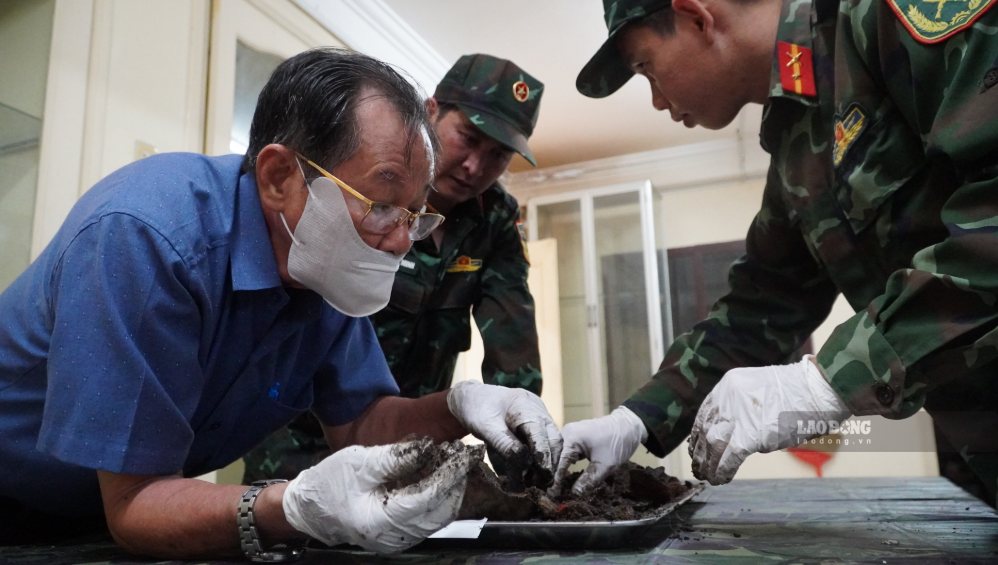
Amidst the days of carefully flipping through each layer of soil, the boundary between the joy of finding the deceased and the sorrow often intertwined through each keepsake."That day in the pit, the brothers brought up two gold rings.We told each other, these must be wedding rings.Meaning there is someone in the hometown who is still waiting.Although the war is fierce, love brings great strength for them to put aside their private feelings for the country.We just hope to soon find a name to send this keepsake back.As soon as it is a minute, the family is comforted that minute," Dr. Ban said with tears in his eyes.
According to Dr. Ban, the initial success comes from the connection between the memories of witnesses and scientific machinery.But what moves the old soldier the most is the young faces silently following in the footsteps of the previous generation."I see in them caution and gratitude, cherishing each piece of remains like their own loved ones.
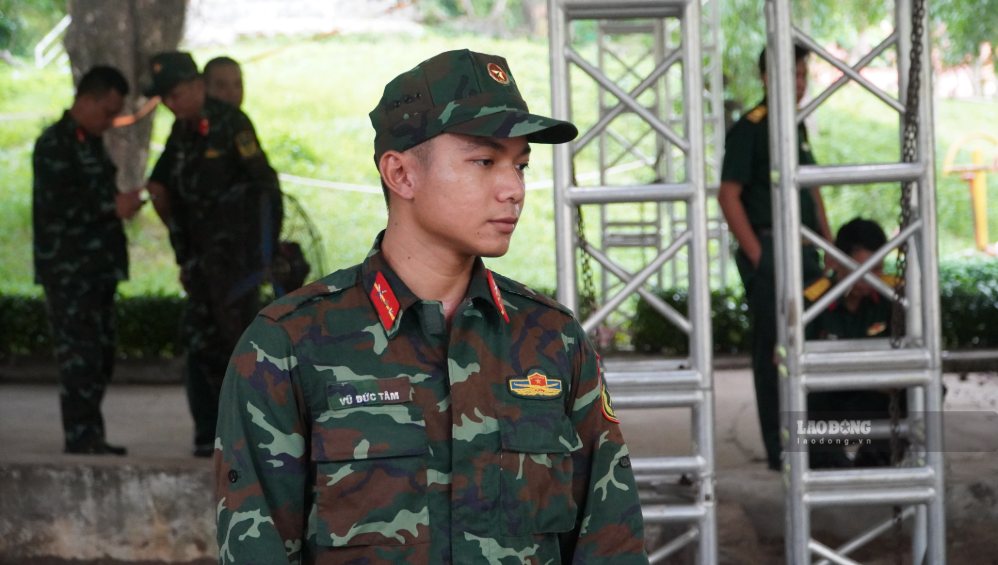
Directly participating in the search at Le Thi Rieng Park, soldier Vu Duc Tam (Team K74) could not hide his emotion when mentioning the heroic martyrs. He said that each piece of remains brought out of the ground reminds today's generation about the sacrifice of his father.
Just thinking that under that layer of soil are the remains of martyrs who have not been able to return for 60 years, I have more will to continue working with all my dedication and gratitude, so that the martyrs no longer have to lie alone underground," Lieutenant Tam confided.
Not only are there young soldiers participating in the repatriation for the first time, but at Le Thi Rieng Park there are also experienced officials who have spent many years attached to this meaningful journey.
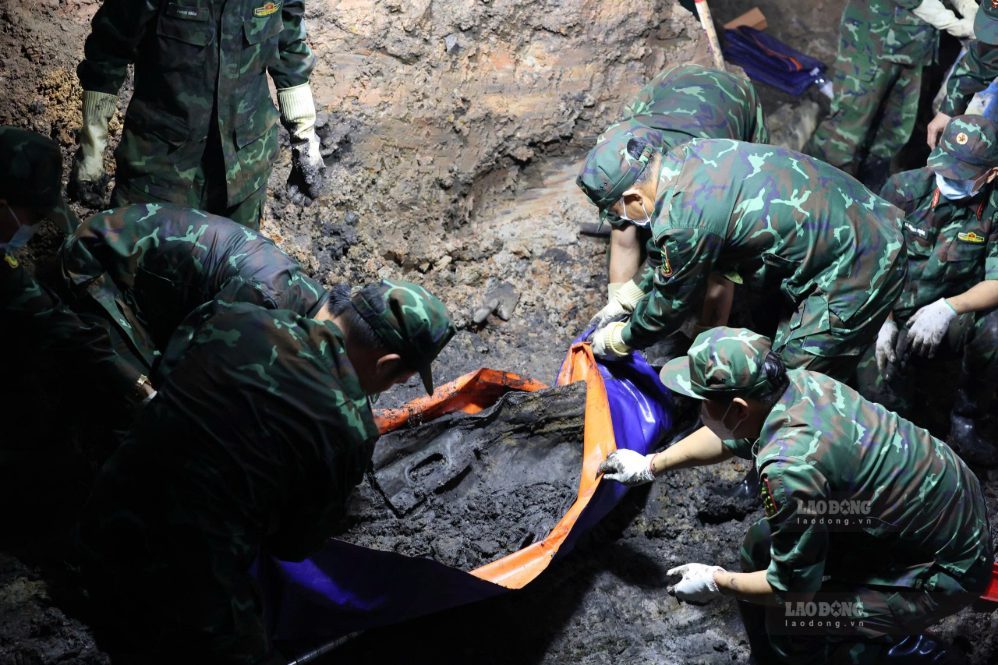
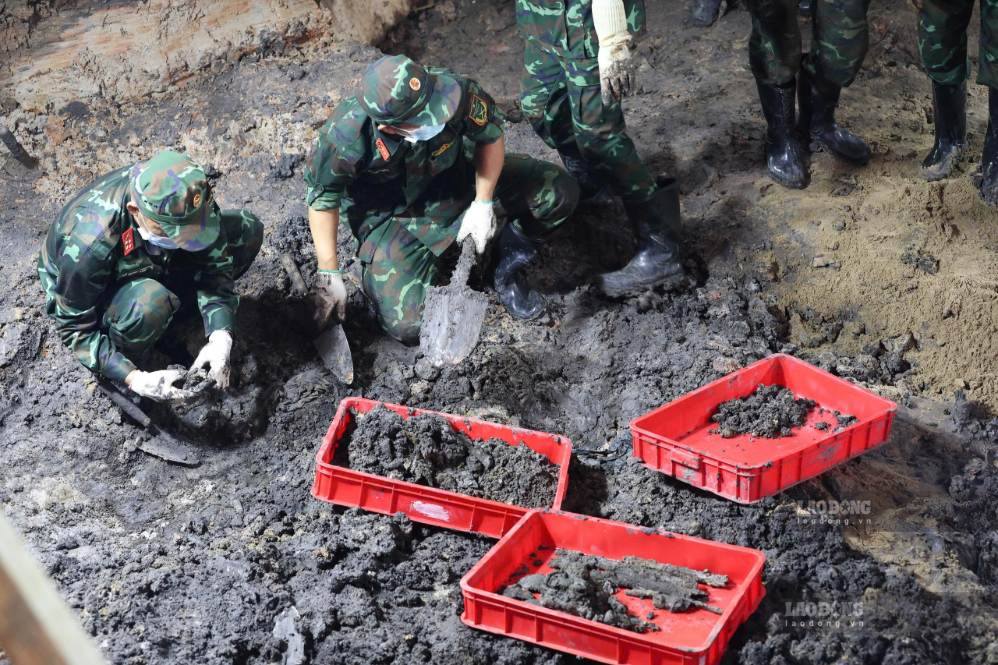
Senior Lieutenant Colonel Tran Hung Cuong, Political Commissar of Team K73, Tay Ninh Provincial Military Command, is one of the officials who has worked for many years collecting remains of Vietnamese volunteer soldiers in Cambodia. This time, he and his comrades were mobilized to coordinate with the Ho Chi Minh City Command to perform tasks at Le Thi Rieng Park.
According to Lieutenant Colonel Tran Hung Cuong, after a few days of surveying, the first traces appeared. But from the time the remains began to be revealed, it was also the time when the work required the most patience and meticulousness. Each layer of soil was peeled off, and each part of the remains and artifacts was observed, collected, and preserved according to the correct procedures.
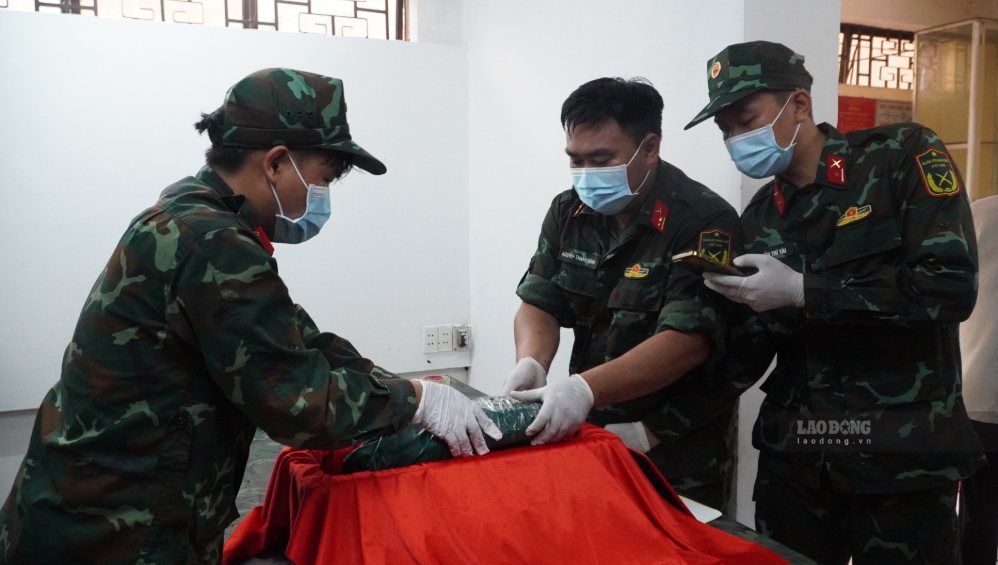
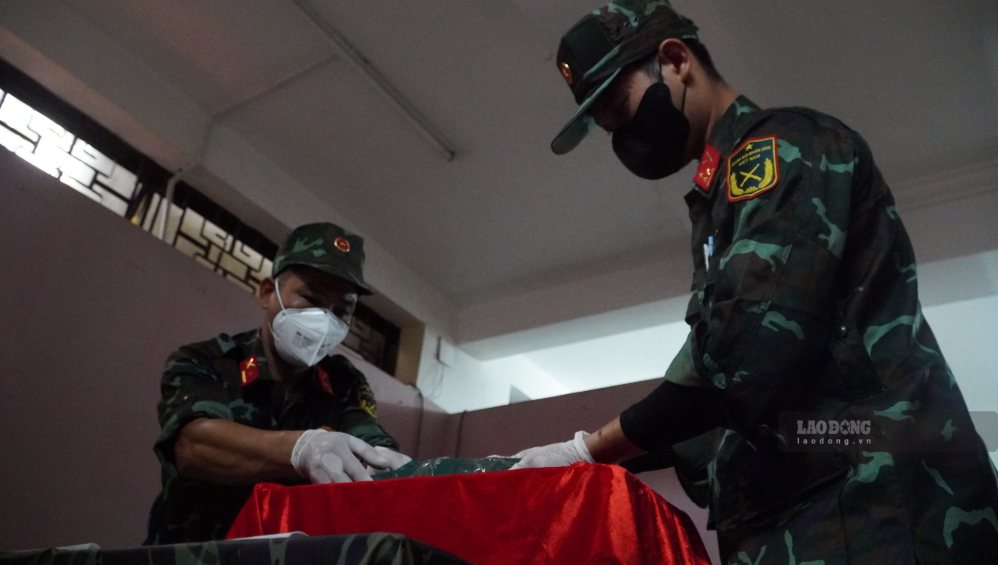
How to prevent uncles and aunts from hurting again," Lieutenant Colonel Cuong said when sharing about the principle that brothers always remind each other during the repatriation process.
The final stage of the journey is to return the name to the deceased
Not far from the excavation area, another relay race is taking place. Every day, Dr. Vuong Gia Bao (30 years old) - Examiner of the Ho Chi Minh City Forensic Center, and colleagues are diligently working on the mission of "returning the names" to the martyrs. The task of forensic doctors is to listen to and decipher what the deceased have left behind. In identification work, extracting DNA from bones and teeth that have been underground for nearly 60 years is a big challenge because the sample has heavily decomposed.
Many nuclear DNA samples completely decomposed, forcing us to switch to taking mitochondrial DNA samples. Some samples looked intact but lost all genetic signals. At that time, I always had to test on other bones, determined not to miss the last chance for a martyr to be called by the right name. We told ourselves to try our best, do everything to not regret or be ashamed of the sacrifice of our father and brother," Dr. Bao shared.
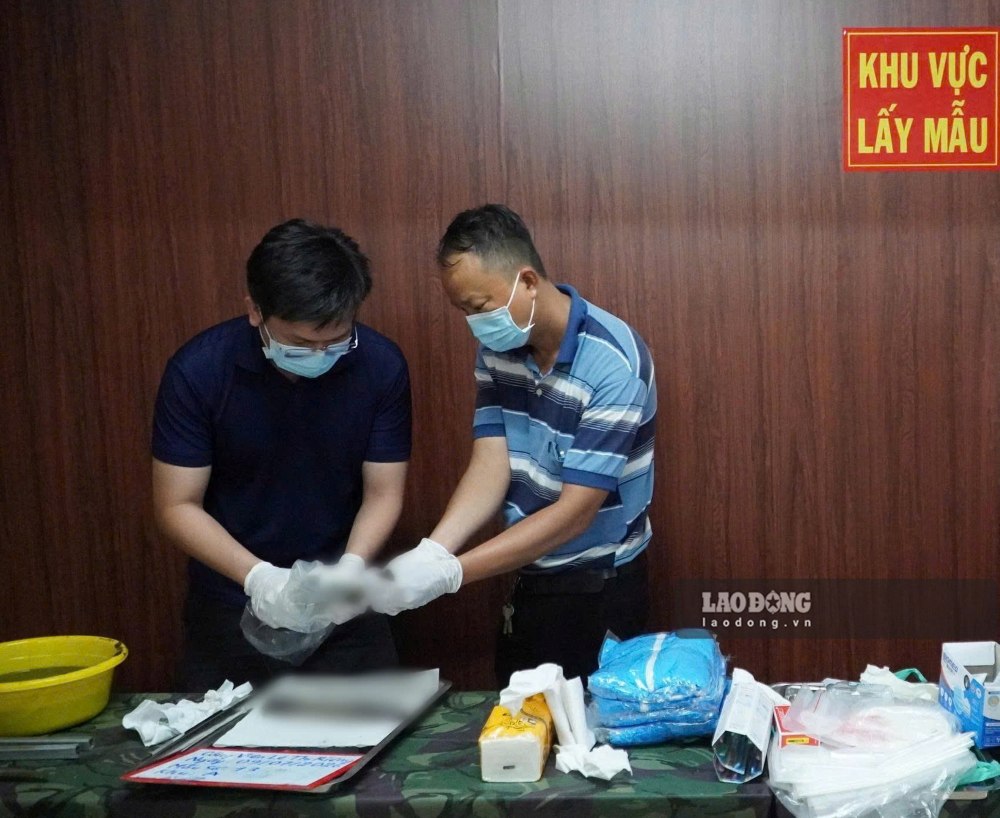
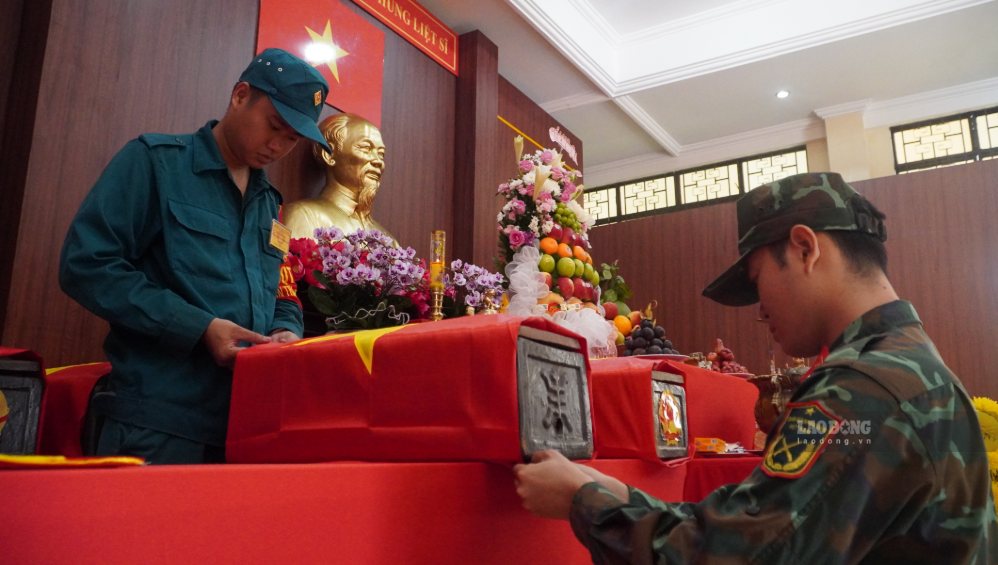
At Le Thi Rieng Park today, people carry memories, people persistently peel off each piece of soil, people diligently in the laboratory. After each layer of soil opens up is a hope to close 60 years of waiting for a family. That is also how today's generation fulfills the promise: Not to let any soldier be forgotten.


