
Real-world records on the morning of February 22nd (6th day of Tet), the atmosphere at Tan Son Nhat International Airport (HKQT) was extremely busy. At domestic terminal T1, the check-in area was quite crowded with passengers, while the arrival terminal lobby was relatively airy.
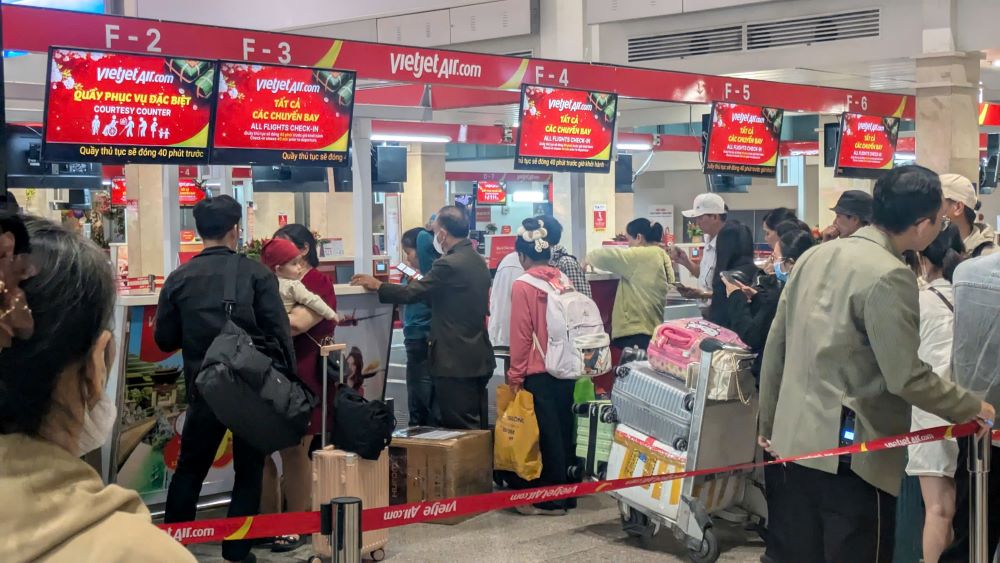
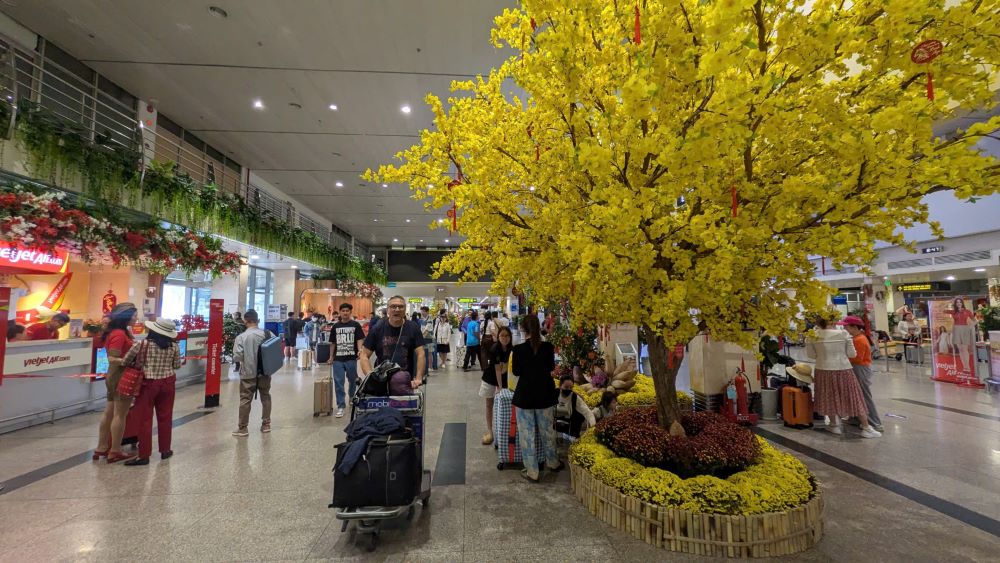
Conversely, the picture at terminal T3 is extremely bustling. Crowds of workers and students from northern and central provinces carrying bulky luggage continuously flock to Ho Chi Minh City to prepare for the work cycle at the beginning of the year, making this terminal lobby always bustling.
According to data from the Tan Son Nhat International Airport Operation Center, on February 22, the largest airport in the Southern region served 1,069 flights with a total of 177,859 passengers.
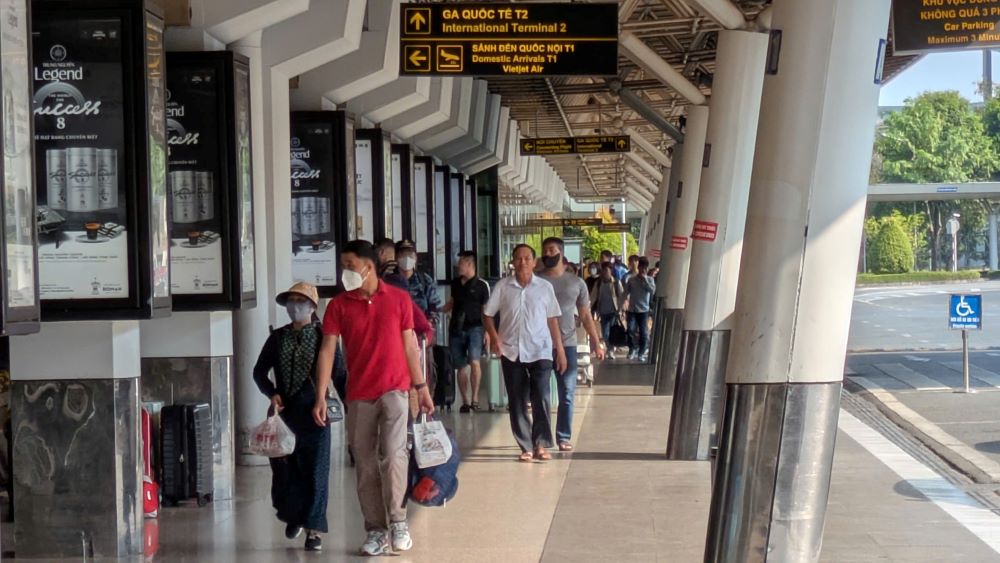
This number has far exceeded all previous forecast scenarios and knocked down the peak of 165,000 trips in the pre-Tet period.
Passenger flow distribution shows that the arrival route to Tan Son Nhat airport has a superior advantage with 104,701 arrivals, of which domestic passengers arrived at 71,568 arrivals.
From early morning to late at night, streams of people who are workers and students from northern and central provinces carrying bulky luggage flock to Ho Chi Minh City to prepare for the first working day of the year, making the arrival station halls always bustling.
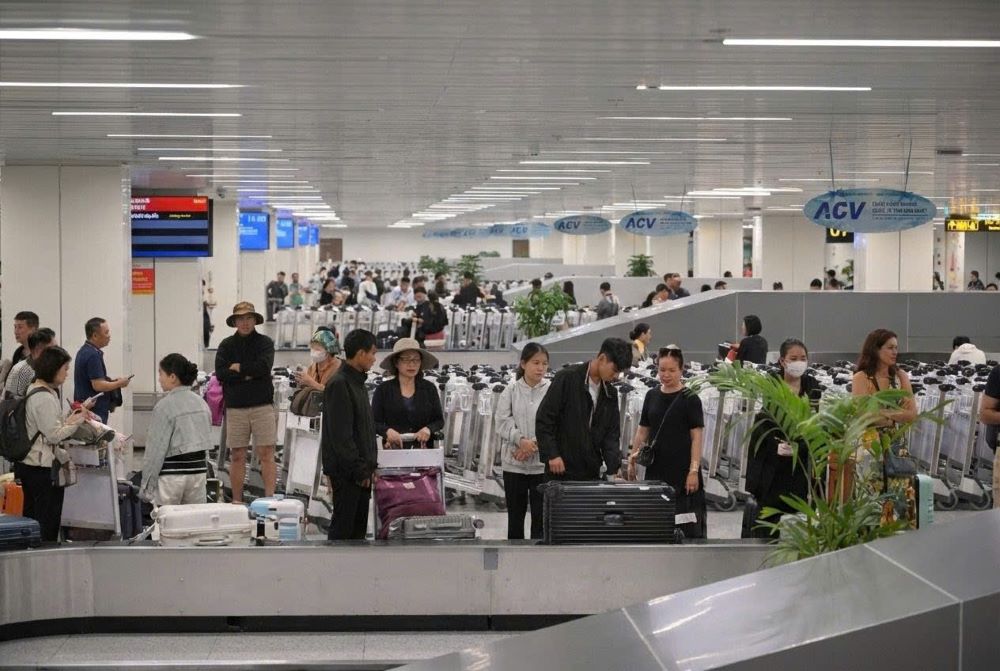
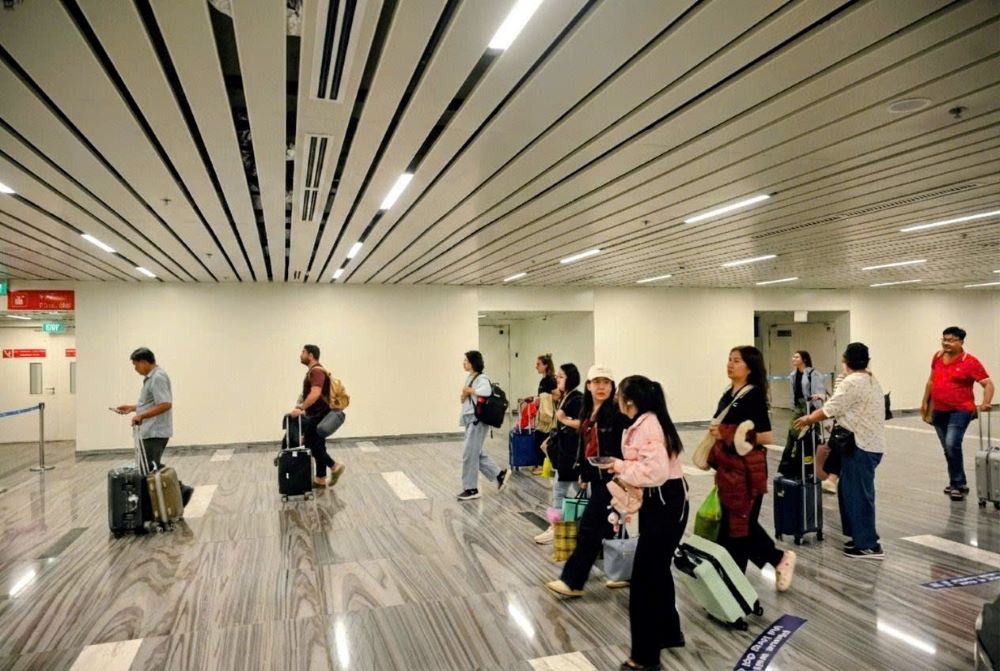
Besides the domestic market, the international gateway also recorded impressive recovery and growth. Throughout the Tet peak days, international terminal T2 maintained a level of over 60,000 passengers/day.
On the 6th day of Tet alone, Terminal T2 welcomed more than 64,700 passengers on 334 flights (including 33,100 arrivals and 31,500 departures). This clearly reflects the bustling international tourism market as well as the demand of overseas Vietnamese returning to work after Tet.
The sharp increase in passenger volume makes the airport area predicted to be crowded throughout the peak day, especially during peak hours in the morning and afternoon. Ground operation and service units and functional forces are arranged to be strengthened to ensure safe and smooth operation.


