
Many inadequacies in waste collection and treatment
On August 1, information from Thanh Hoa Provincial People's Committee said that the province has just issued a Project on collecting, transporting and treating domestic solid waste in the area for the period 2026-2030.
According to the Provincial People's Committee, along with the urbanization process, population growth and socio-economic development, the amount of solid domestic waste generated is increasing, creating pressure on the collection, transportation and treatment system. Meanwhile, waste management work still has many limitations.
Waste sorting at source is not synchronized, waste after sorting is still collected together, so the efficiency is low. Sorting activities are mainly encouraged, and there is no strong enough mechanism to force implementation.
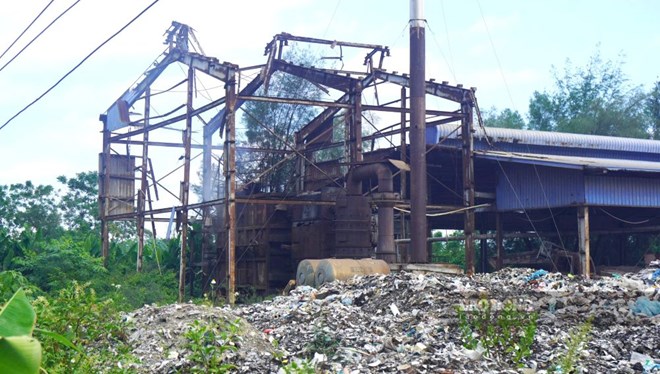
Some recycling technologies also reveal many inadequacies, especially generating odors when placed near residential areas. Typically, the waste treatment plant in Dong Quang ward has been protested by people 3 times since the beginning of 2026 due to the spread of odors. The plant has now applied to temporarily stop receiving waste from May 15 to study technology changes.
The rate of garbage collection between urban and mountainous areas is still largely different. In many remote and isolated communes with complex terrain, the collection rate is still low. Means of transportation in rural areas are mainly hand-pulled vehicles, self-made vehicles or agricultural vehicles, which do not meet the requirements.
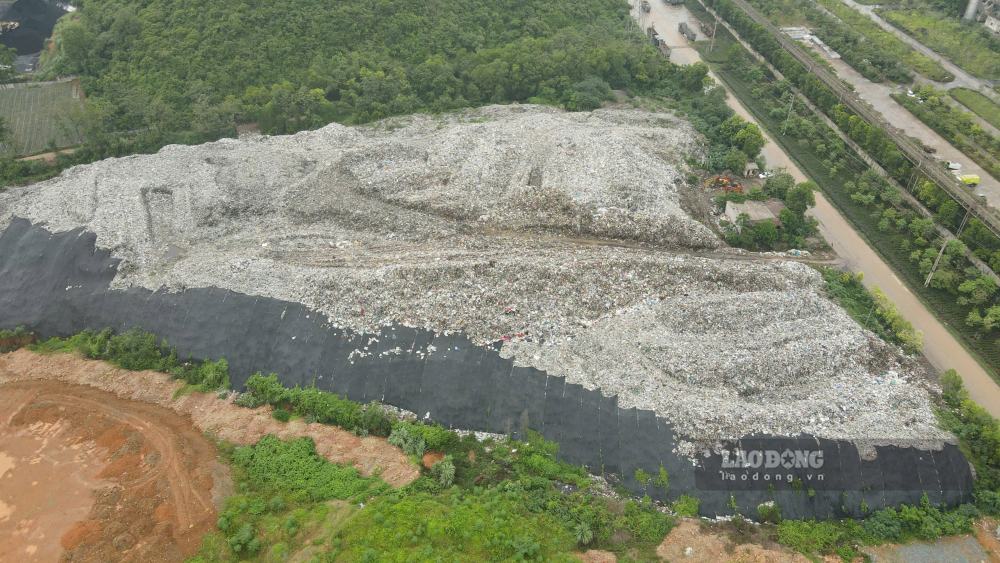
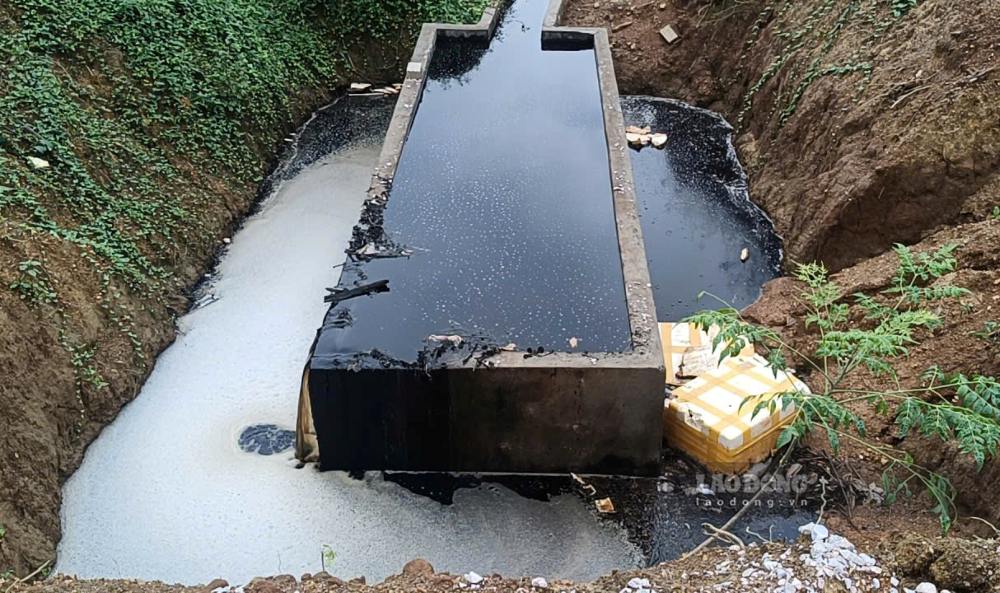
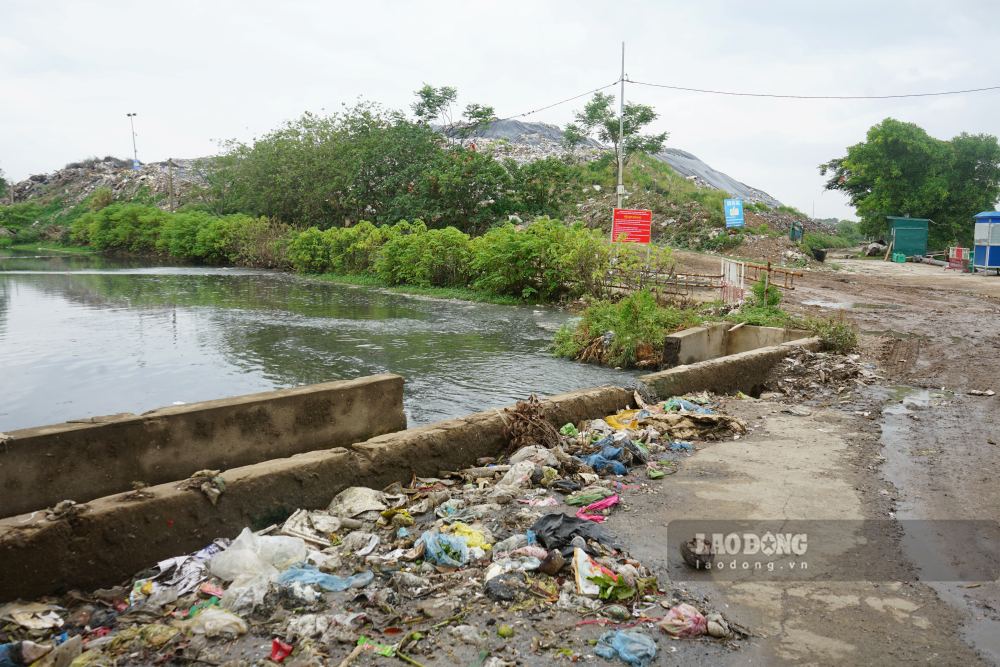
Many garbage collection points are just temporary landfills, lacking landfill foundations, roofs and leachate collection systems. Some places are overloaded, and even manual waste burning occurs at the transfer point.
Meanwhile, most centralized landfills have run out of capacity to receive, waste leachate has not been thoroughly treated, posing a risk of environmental pollution. Many inter-district-scale waste treatment projects are being implemented slowly, causing old treatment areas to be overloaded, but new projects cannot replace them.
Commune-scale waste incinerators are also degraded, many incinerators have to stop operating or do not meet environmental standards. Treatment technology is still outdated, mainly landfilling or spraying deodorizing chemicals, so pollution has not been thoroughly treated.
More than 5,700 billion VND to upgrade the treatment system
According to Thanh Hoa Provincial People's Committee, besides infrastructure inadequacies, the financial mechanism also has many limitations. Previous support policies mainly applied to incinerators with a capacity of 50 tons/day or more, causing many landfills and small-scale incinerators at the commune level not to receive financial support.
Meanwhile, environmental sanitation fees collected from households are only enough to compensate for a part of the collection costs, not meeting the needs of transportation and treatment of waste. The socialization of investment in the environmental sector is also slow due to legal procedures and mechanisms not being sufficient to attract businesses.
Thanh Hoa Provincial People's Committee believes that the issuance of the project is an urgent requirement to implement the Resolution of the 20th Thanh Hoa Provincial Party Congress, term 2025-2030, which sets a target that by 2030 95% of domestic solid waste will be collected and treated.
The total cost of implementing the project in the 2026-2030 period is estimated at about 5,707 billion VND. Of which, about 5,397 billion VND is for domestic solid waste collection and transportation activities; 300 billion VND is for new investment and renovation of temporary waste collection points that have deteriorated or caused pollution.
The remaining funds are used for propaganda to raise awareness of environmental protection, apply smart domestic solid waste management systems and perform other related tasks.
Previously, as Lao Dong Newspaper reflected, from the beginning of 2026 to now, garbage congestion has continuously occurred in the central wards of Thanh Hoa province, greatly affecting people's lives.
Many landfills in Dong Quang, Sam Son and Bim Son wards have been overloaded for many years, causing serious environmental pollution. However, to date, these landfills continue to receive garbage, making handling the pollution situation even more difficult.


