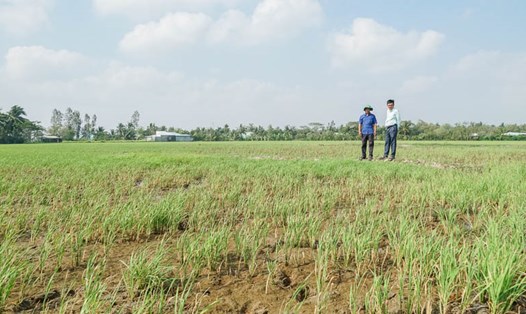
Rural water supply system still has many shortcomings
According to the 2025-2026 dry season water resource exploitation and use plan, Ca Mau currently has a fairly large irrigation canal system with thousands of large and small canals, with a total water reserve of about 275 million m3, playing an important role in storing and regulating water sources for production and people's livelihoods. In addition, the freshwater reservoir at Khanh An has a designed reserve of about 3.85 million m3.
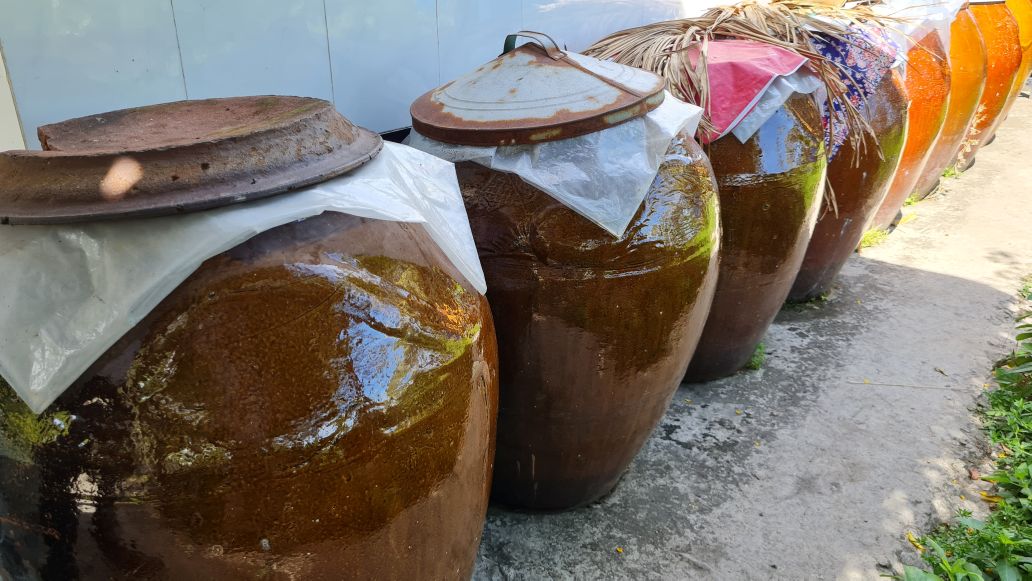
Groundwater is still the main source of supply for people's daily life. The whole province currently has more than 285,000 drilled wells being exploited with a total flow of about 590,506 m3 per day. Of which, most are household-scale drilled wells.
Ca Mau Department of Agriculture and Environment said that the whole province has 364 centralized water supply projects, but only about 42.86% are operating, nearly 25% of projects are no longer operating. Many projects built from 1998 - 2013 have now deteriorated and no longer ensure stable water supply for people.
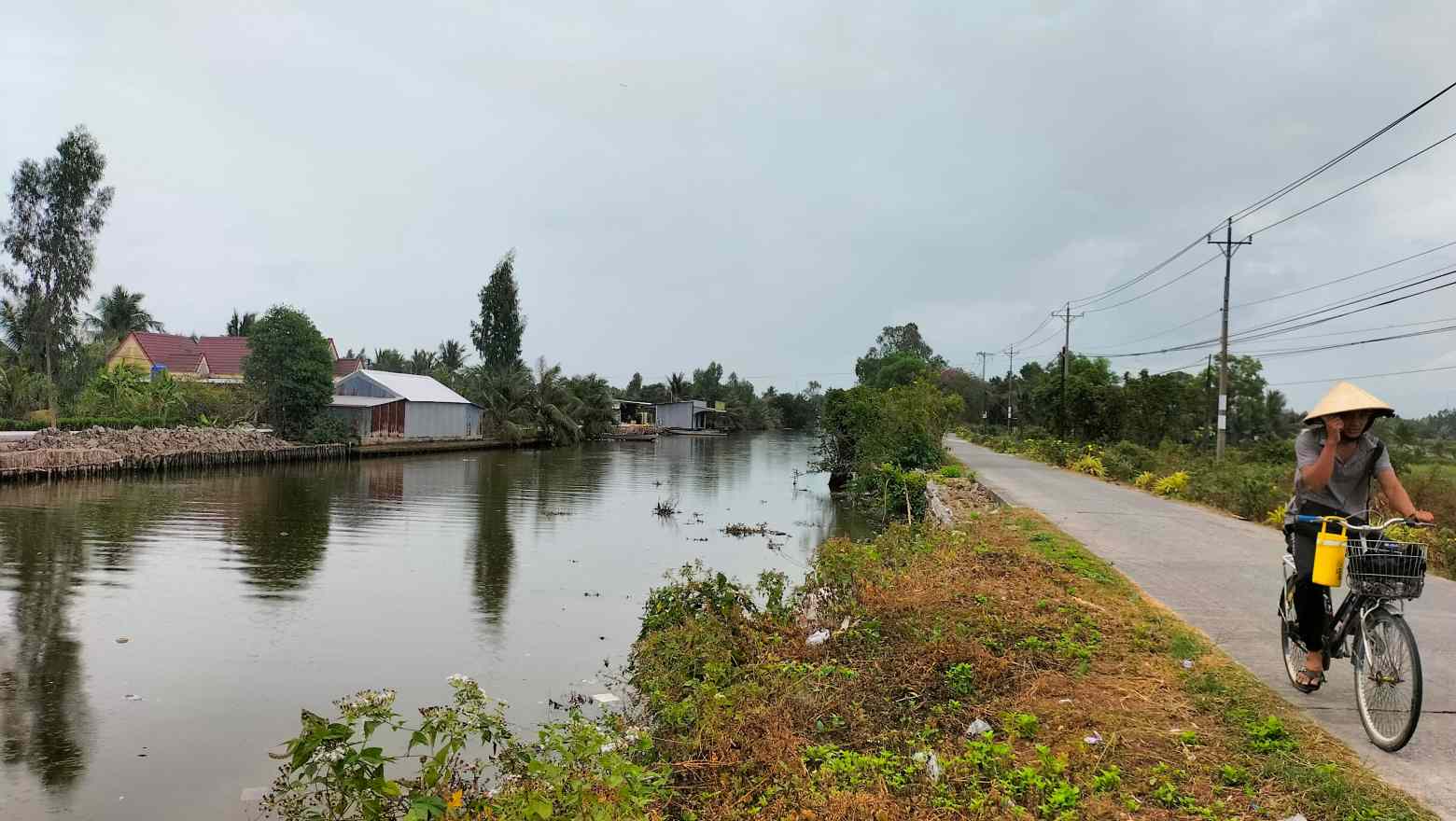
In fact, currently, about 50% of the rural population uses water from centralized water supply systems; 48% uses water from household drilled wells; about 2% of people in areas without water sources have to depend on rainwater.
The situation of fresh water shortage in U Minh and Nguyen Phich communes, people living scattered in production forest areas, without fresh groundwater sources, surface water is alum-contaminated, so they mainly store rainwater for use. A similar situation also occurs in some areas of Bien Bach commune, where surface water is alum-contaminated, salinity and there are no groundwater sources for exploitation.
Meanwhile, in Ganh Hao commune, there is still no centralized water supply station, people have to drill small wells for daily life.
Regulating water sources to reduce the risk of deficiency
This dry season, Ca Mau's water demand continues to be high. Agriculture alone needs about 117 million m3 of water, of which Dong Xuan rice production accounts for more than 92 million m3 and aquaculture nearly 117 million m3.
The average domestic water demand of people is about 3.7 million m3 per month and increases during hot weather, especially in February and March.
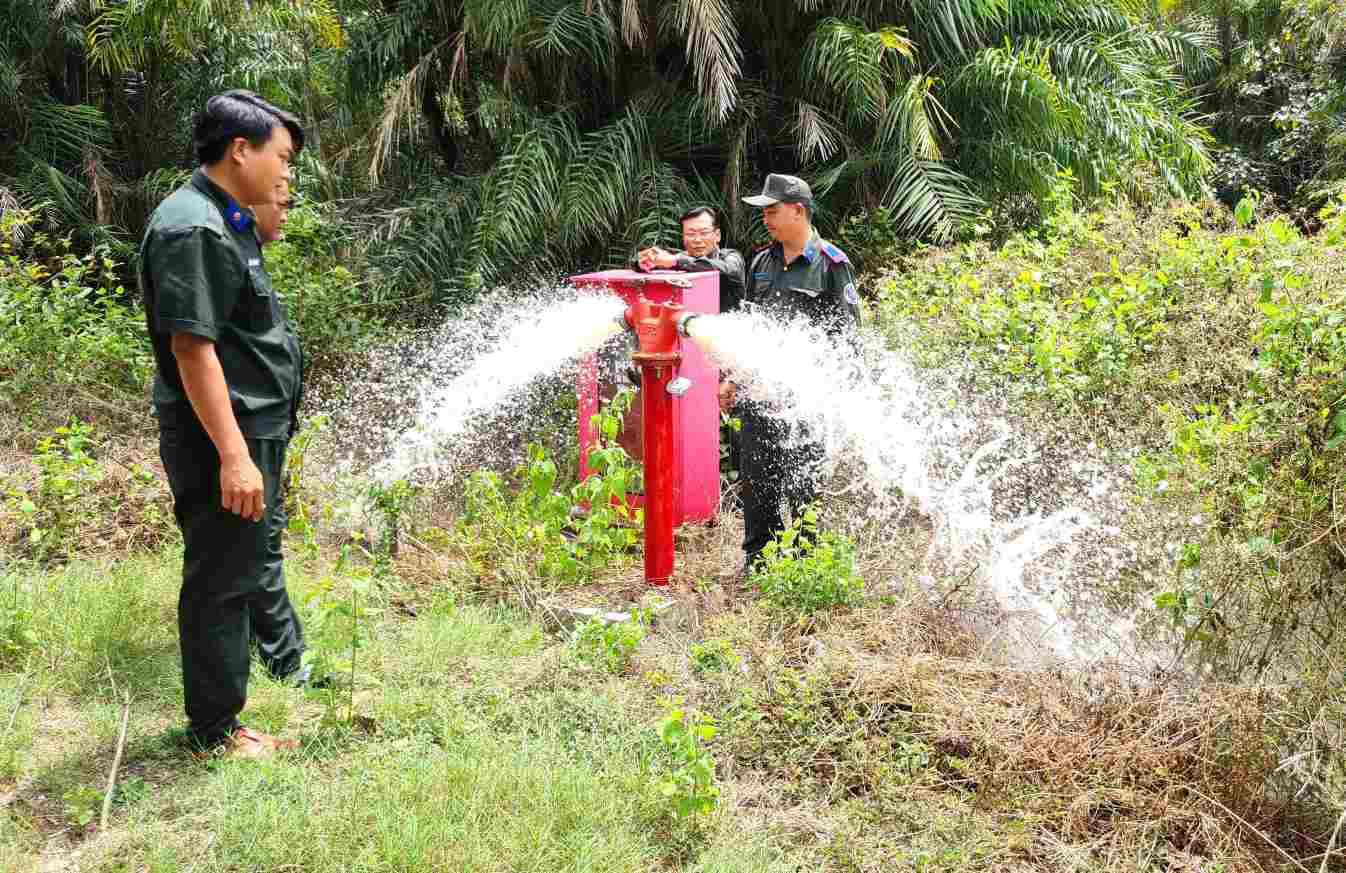
To proactively respond to the risk of water shortage in the dry season, Ca Mau province requests functional sectors to strengthen regulation of irrigation systems, dredge canals and ditches, clear flows and repair key culverts and pumping stations to ensure water sources for production.
Specialized agencies are also assigned to closely monitor meteorological and hydrological developments to promptly adjust the exploitation and allocation of water resources in stages. In case of serious shortages, regulation will prioritize water supply for agricultural production and essential living needs of people.
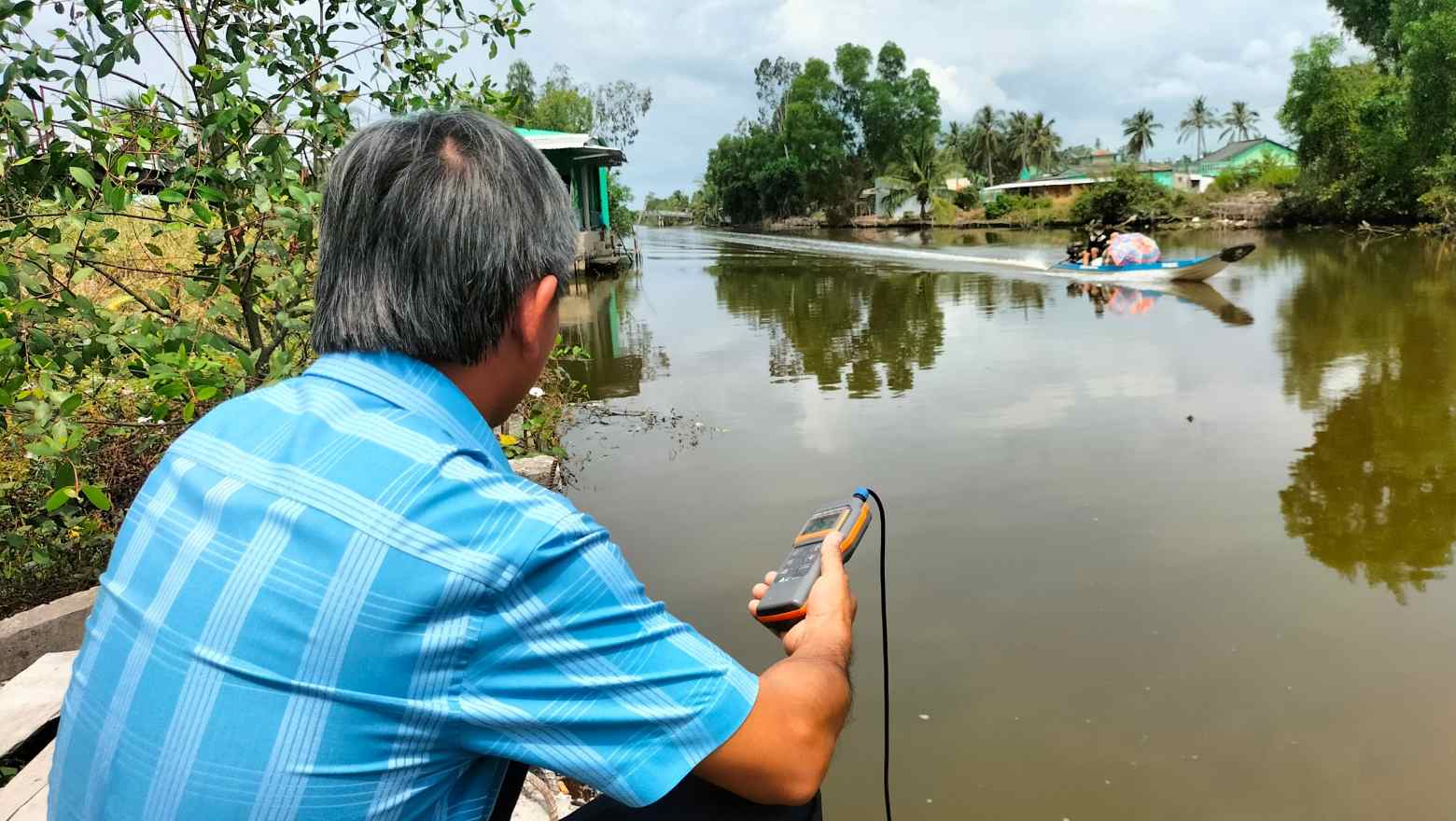
According to the assessment of the Ca Mau Department of Agriculture and Environment, in the context of increasingly complex climate change and saltwater intrusion, effective management and use of water resources will be an important factor to ensure water security for production and life of Ca Mau people in the coming years.