
Salt affects many freshwater areas
Saltwater has the potential to penetrate deep into river, canal, and ditch systems through large river mouths, affecting many agricultural production areas, aquaculture and domestic water sources.
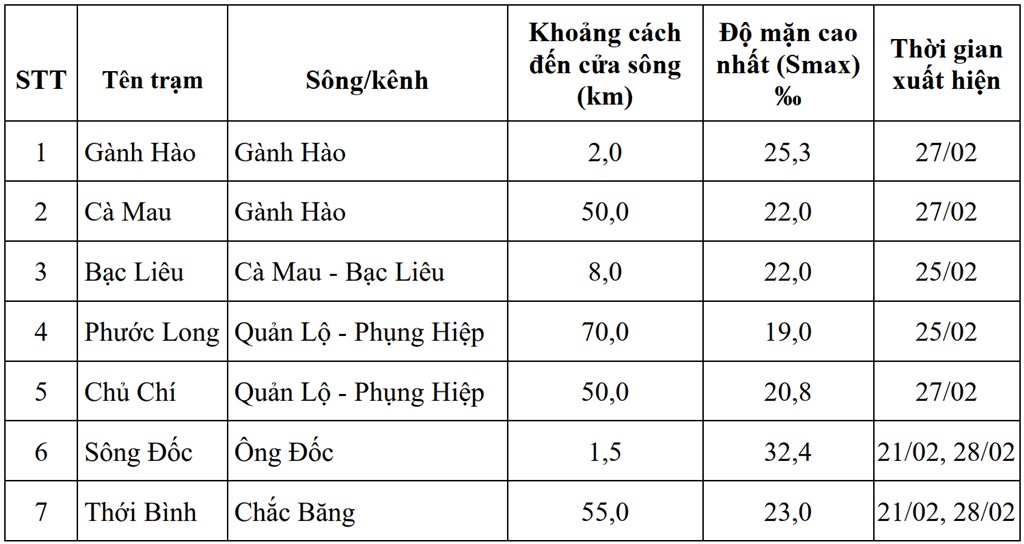
Ca Mau Provincial Hydrometeorological Station said that in the period from February 21 to 28, the salinity intrusion situation in the province continued to be maintained at a high level. The highest salinity at stations is generally lower or closer to the multi-year average of about 5‰. Some stations such as Song Doc and Bac Lieu are likely to be about 2.5‰ higher than the multi-year average.
Some points with noteworthy salinity include the Song Doc area, which is forecast to reach about 32.4‰, appearing on February 21 and 28; Ganh Hao about 25.3‰ on February 27; Ca Mau and Bac Lieu areas about 22‰; Thoi Binh about 23‰.
Notably, the affected area of salinity from 4‰ or more is about 60km from the river mouth and is likely to last for many days. Ca Mau Provincial Hydrometeorological Station warns of disaster risk level due to saltwater intrusion at level 2 in Ca Mau and Chu Chi areas, level 3 in Phuoc Long and Thoi Binh areas.
Proactively respond to and ensure domestic and production water
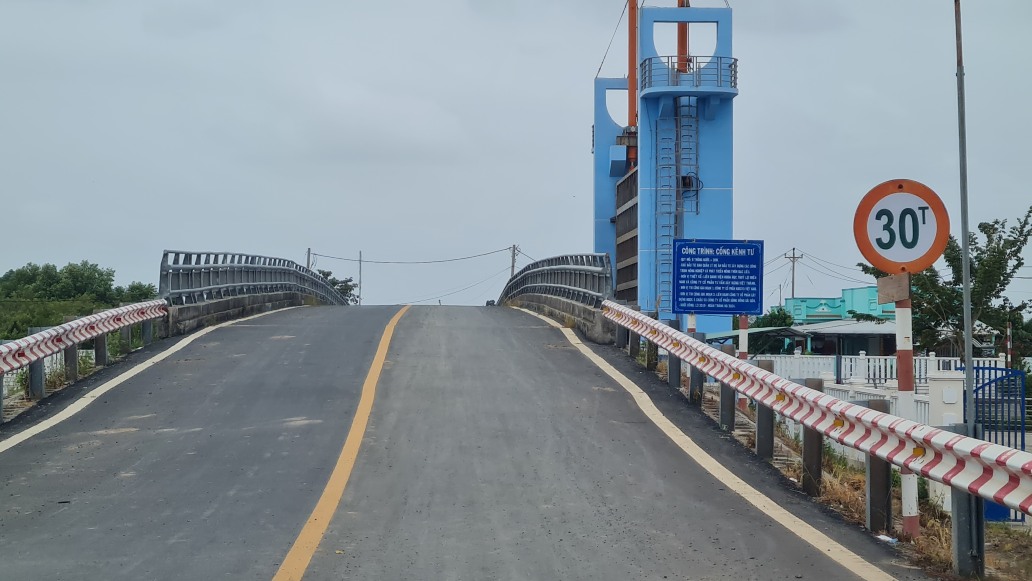
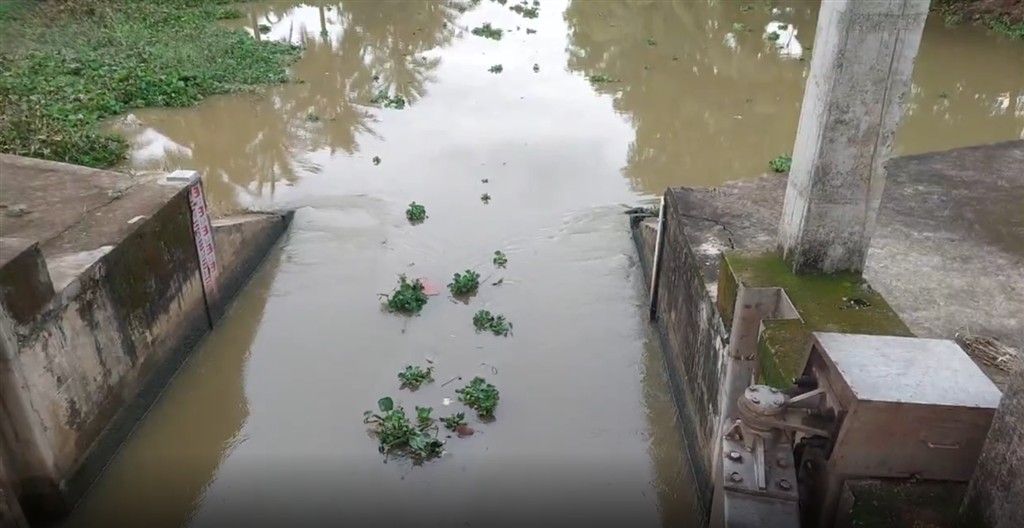
Faced with the above situation, the Department of Agriculture and Environment of Ca Mau province requested localities and units managing irrigation works to closely monitor salinity developments, proactively and reasonably operate the sewer and dam system to protect the freshwater area. People are advised to proactively store fresh water, choose a suitable water intake time according to the tidal schedule to limit risks in daily life and production.
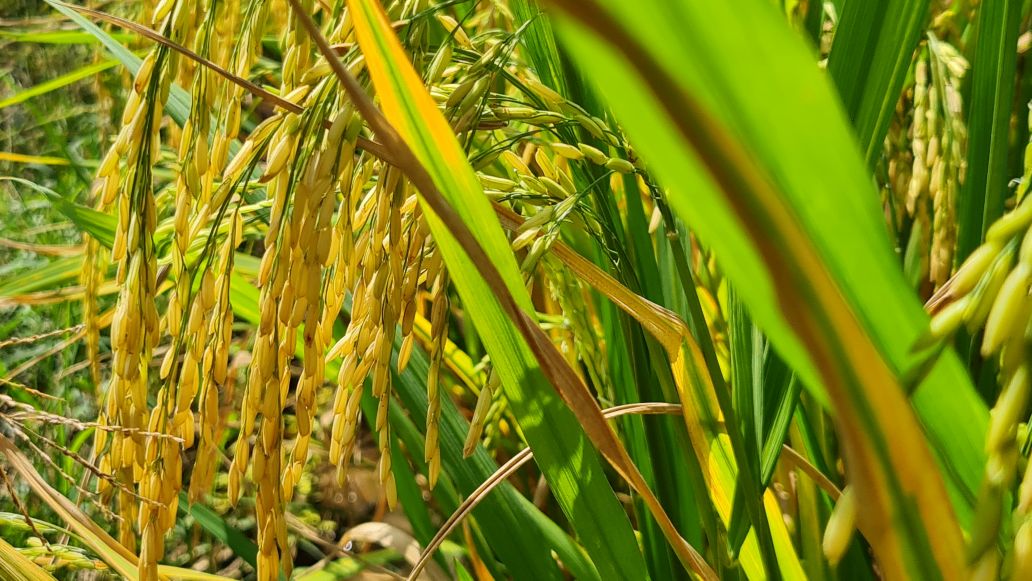
In rice-shrimp production areas, people have early implemented many adaptive measures. Mr. Tran Van Hung, a household in the rice-shrimp specialized area in Phuoc Truong hamlet, Vinh Phuoc commune, said that local farmers have proactively dredged canals and ditches, stored fresh water and adjusted the seedling release density lower than in previous crops.
“We control salinity below 25‰, closely monitor the water environment, supplement minerals to increase shrimp resistance and adjust farming schedules to avoid hot sun peaks. When the water rises, it is necessary to measure the salinity before taking water into the pond, if the salinity is too high, shrimp are very easily damaged,” Mr. Hung shared.
Ca Mau is a locality with low terrain, three sides bordering the sea, a dense river and canal system and is simultaneously affected by two tidal regimes. These natural conditions make the province regularly face the risk of drought and saltwater intrusion in the dry season, especially in freshwater-dried areas, forest-sided areas and rural areas far from centralized water supply systems.
To proactively respond to drought and salinity, Ca Mau province plans to respond immediately before the Tet holiday. In the plan, the highest priority is to ensure domestic water for people, especially in forest and coastal areas, island clusters and vulnerable groups. Functional units are assigned to review water use needs, guide people to store water and prepare mobile water supply plans when localized water shortages occur.
The province directs the effective operation of the irrigation system, saltwater intrusion prevention culverts, and pumping stations; proactively regulates and stores fresh water for domestic use, production, and forest fire prevention and fighting. The agricultural and environmental sectors coordinate with localities to adjust crop schedules, crop and livestock structures to suit water source conditions, prevent spontaneous intrusion of saltwater into freshwater areas, and minimize damage caused by saline intrusion.


