
Entering the peak of the dry season, from November to April every year, rainfall in Lao Cai decreases sharply, leading to a clear decrease in flow to hydropower reservoirs.
According to data from operating units, many reservoirs only reach 30-50% of the flow compared to the rainy season, even at times falling lower than the multi-year average.
At Ngoi Phat Hydropower Plant - a project with a total capacity of 84MW, located in a basin of 512km2, the lake water level is currently nearly 2m lower than the design elevation.
The water flow to the reservoir only reached 8-9m3/s, a sharp decrease compared to the same period last year (12-13m3/s), making it impossible for the plant to operate at full capacity.
As the last step on the Ngoi Phat stream, the plant depends heavily on the amount of water discharged from upstream projects such as Ta Loi 3, Nam Pung, Nam Ho, Muong Hum...
Therefore, every small fluctuation in water sources directly affects the power generation plan.
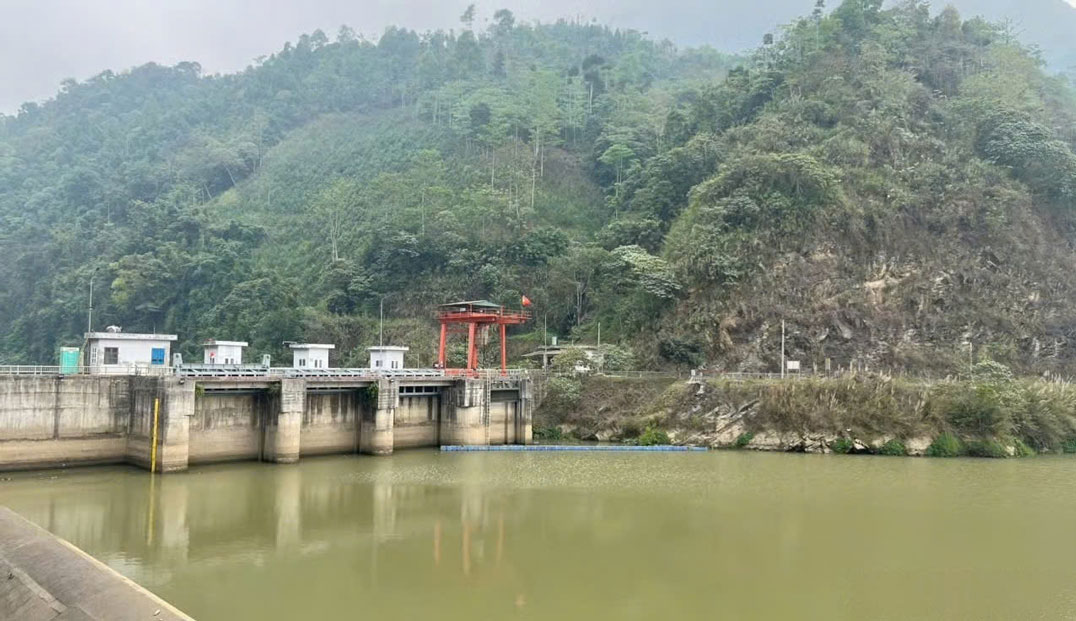
When water comes in less, we only rotate 1 unit with a capacity of 24MW to save water. This is also the time to take advantage of checking and maintaining equipment, preparing for the rainy season" - engineer Nguyen Van Nghia, Head of Operations, said.
Not only Ngoi Phat, Nam Luc Hydropower Plant (capacity 24MW) is also operating in a "belt-tightening" condition regarding water sources. After overcoming the incident caused by floods, the plant has returned to stable operation, but is facing a prolonged water shortage problem.
The water source to Nam Luc Lake depends on the discharge volume from Bac Ha Hydropower Plant upstream. However, in mid-March, the discharge flow downstream only reached 160-170m3/s, not enough for the plant to operate at maximum capacity.
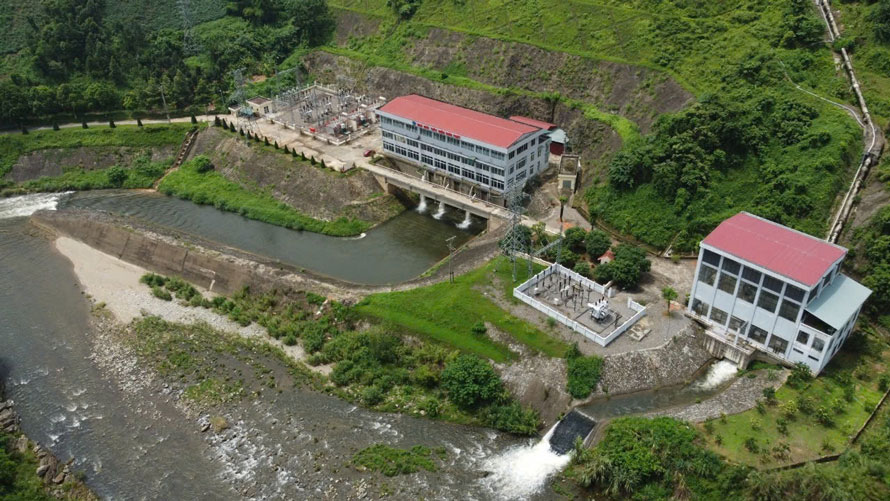
We have to maintain low power generation but prolong it during peak hours to ensure economic efficiency and not waste water resources" - Engineer Hoang Anh Nghia - Deputy Head of the Plant's Operations Board shared.
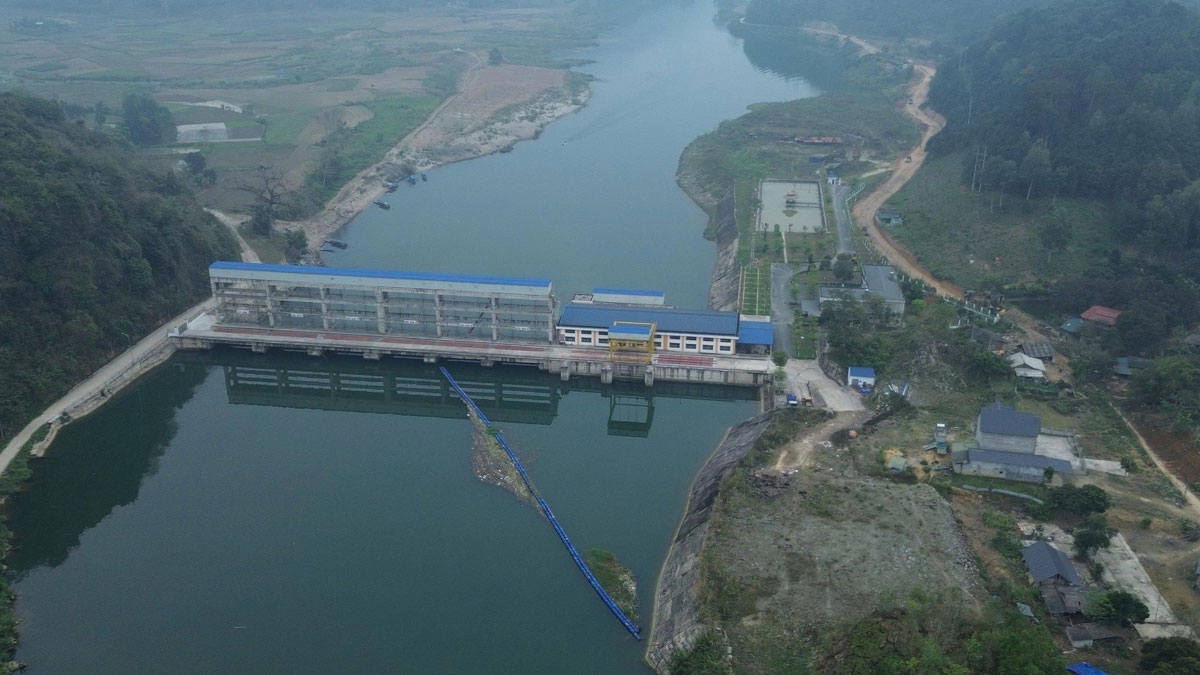
Currently, Lao Cai province has 105 hydropower plants generating electricity to the national grid with a total capacity of 1,768.85MW, annual electricity output of about 7.9 billion kWh.
The plants not only make important contributions to the electricity system, but also contribute to industrial production value of more than 8,000 billion VND and contribute to the state budget of over 1,600,000 billion VND each year.
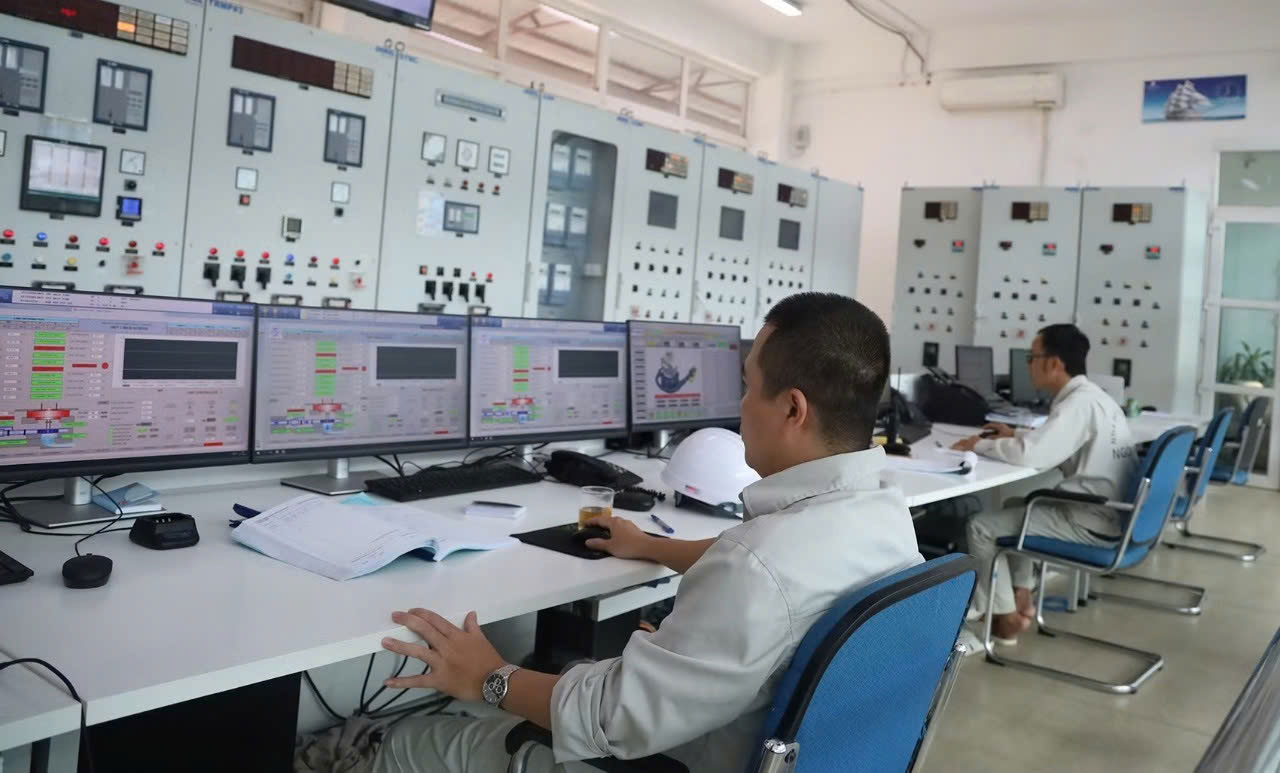
However, in the context of climate change and increasingly unpredictable weather diễn biến, the hydropower operation problem is no longer simply generating electricity but must consider many factors: water storage, flow regulation, and ensuring production and living needs for downstream areas.
Faced with that reality, the plants have proactively coordinated closely with the meteorological and hydrological agency to update forecasts and develop operating scenarios in stages.
The adjustment of power generation capacity is carried out flexibly according to load demand and actual water volume, prioritizing water storage for the following months.
Faced with the above situation, many units have invested in automatic monitoring and operation systems, helping to monitor water levels, flow and operating efficiency in real time, thereby optimizing production and minimizing water resource loss.
Along with that, the maintenance and repair of equipment is promoted in the dry season - the time when units must stop or reduce load to ensure maximum operation readiness when entering the rainy season.


