Transportation costs escalate
Mr. Nguyen Dinh Tung - Chairman of the Board of Directors cum General Director of Vina T&T Group, a fruit exporting enterprise to many markets around the world - said that for agricultural product exporting enterprises, logistics costs are not only in transportation costs but also arising throughout the supply chain. Agricultural products must go through many stages of transportation, transshipment, quarantine, irradiation and customs clearance before export, causing costs to increase, time to be prolonged and the rate of goods loss to be higher. Not only that, enterprises also face a shortage of containers even though they have booked early. For fresh fruits, prolonged transportation time makes quality difficult to be guaranteed, forcing enterprises to switch partially to air transportation. However, this is also not a feasible solution when airlines often prioritize high-value commodity groups or goods of the host country.
Shipping and aviation fares are currently expenses that businesses can almost not control or forecast to build long-term business plans.
Cost pressure is also clearly reflected at Phuc Sinh Joint Stock Company. Mr. Phan Minh Thong - Chairman of the Board of Directors of the company, said that in June alone, the enterprise had to spend about 22 billion VND on sea freight and logistics surcharges, equivalent to more than 50% of the gross profit of the month.
According to Mr. Thong, rapidly increasing logistics costs are eroding profits and reducing the competitiveness of Vietnamese export enterprises in the international market.
Need to invest in infrastructure and increase linkages to reduce costs
Besides the impact of fluctuations in the international transport market, many opinions believe that limitations in domestic logistics infrastructure are also increasing the cost of goods circulation.
Mr. Vu Hai Ha - Director of S.O. P. A. S Maritime Oil and Real Estate Development Co., Ltd. - informed that Vietnam currently has 296 ports and wharves along with 14 offshore oil and gas ports, totaling about 310 large and small ports. On average, each locality has nearly 10 ports - a higher number than many countries in the region.
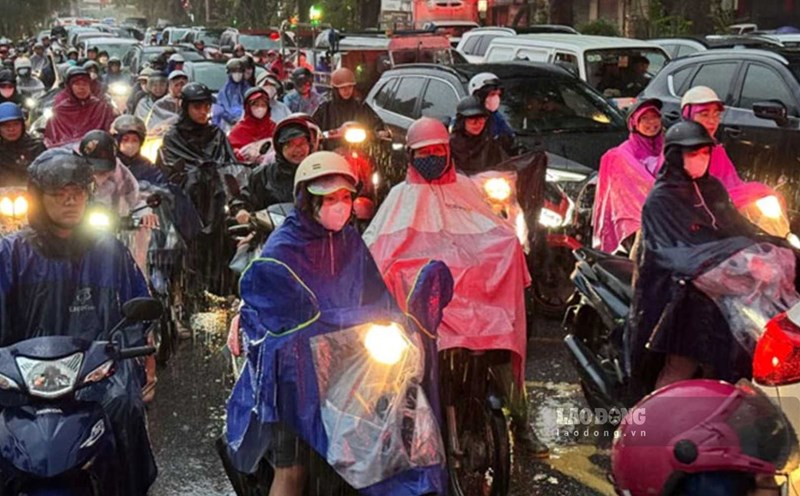
However, paradoxically, despite owning a fairly dense port system, most goods still have to be transported by road. Containers after landing at the port continue to be loaded onto trucks, circulating on national highways and frequently congested at the gateways of Ho Chi Minh City, incurring additional time and costs.
According to Mr. Ha, instead of continuing to invest in building more seaports, it is necessary to prioritize developing port connectivity infrastructure and more effectively exploiting inland waterway, river and sea transport modes...
From the perspective of the business community, Mr. Nguyen Ngoc Hoa - Chairman of the Ho Chi Minh City Business Association, said that in addition to long-term infrastructure investment solutions, businesses need to proactively link up to reduce logistics costs themselves.
He proposed forming strategic alliances between export enterprises and logistics enterprises based on the market, with clear commitments on output and responsibilities of the parties.