
On March 31, the Ho Chi Minh City Department of Construction said that the city is about to implement a series of key traffic projects in the Northwest gateway area.
The most important highlight is the Ho Chi Minh City - Moc Bai expressway project, 51 km long, of which the section passing through Ho Chi Minh City is about 24.7 km long, the rest passing through Tay Ninh province.
The route starts from the intersection with Ring Road 3 in Phu Hoa Dong commune and ends at National Highway 22 (Moc Bai border gate area).
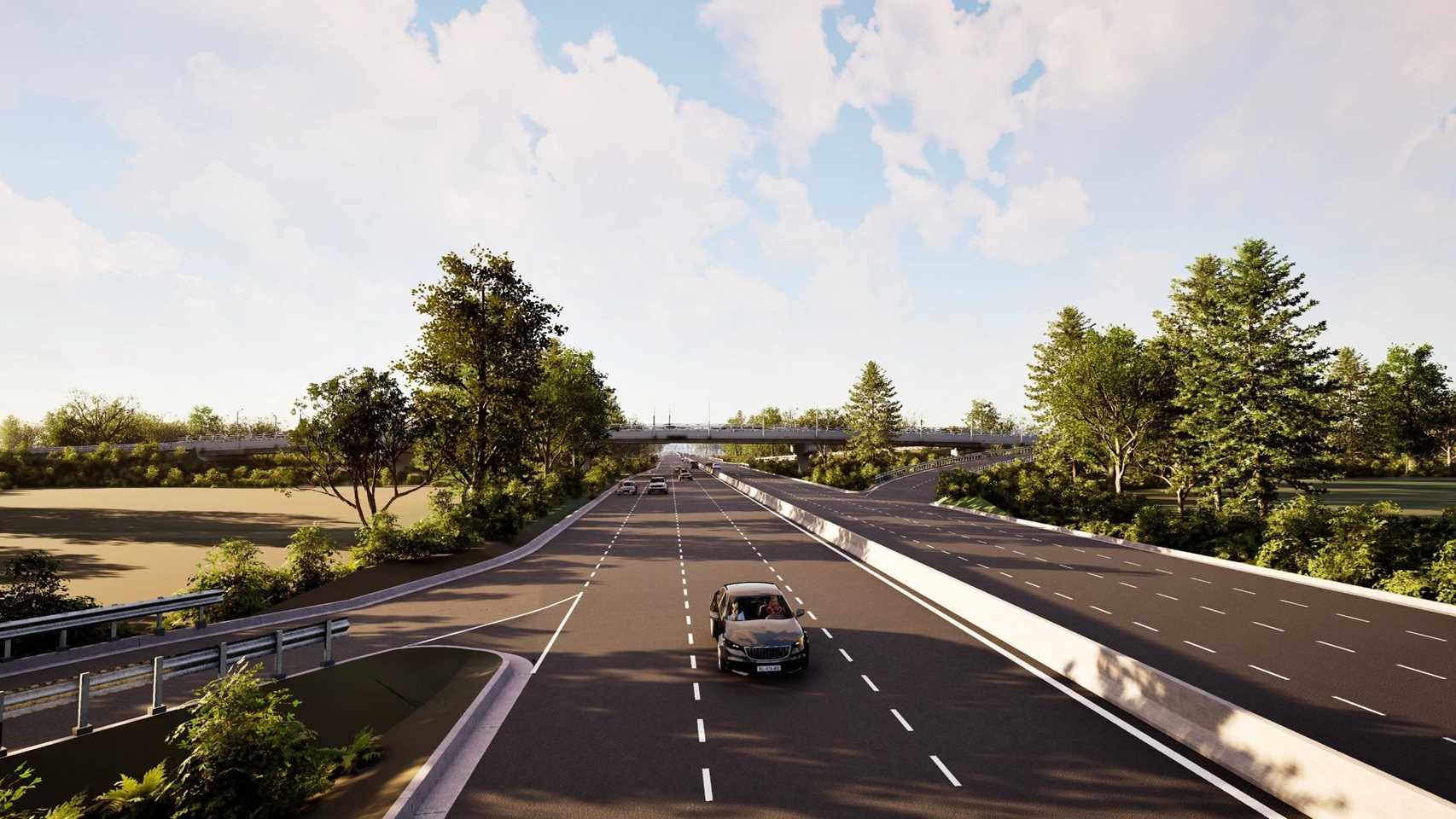
The expressway is designed with a maximum speed of 120 km/h, a scale of 4 lanes in phase 1. Total investment of nearly 20,000 billion VND, implemented according to 4 component projects.
In which, the component project to build the main route under the BOT contract (build - operate - transfer) has a capital of more than 10,400 billion VND, expected to start construction in April 2026 and be completed by the end of 2027.
In parallel, Ho Chi Minh City also upgrades and expands National Highway 22, the section from An Suong intersection to Ring Road 3, about 8 km long.
The cross-section will be expanded from 36 - 40 m to 60 m, arranging 10 lanes. On the route, 7 overpasses will be built at intersections to reduce traffic conflicts.
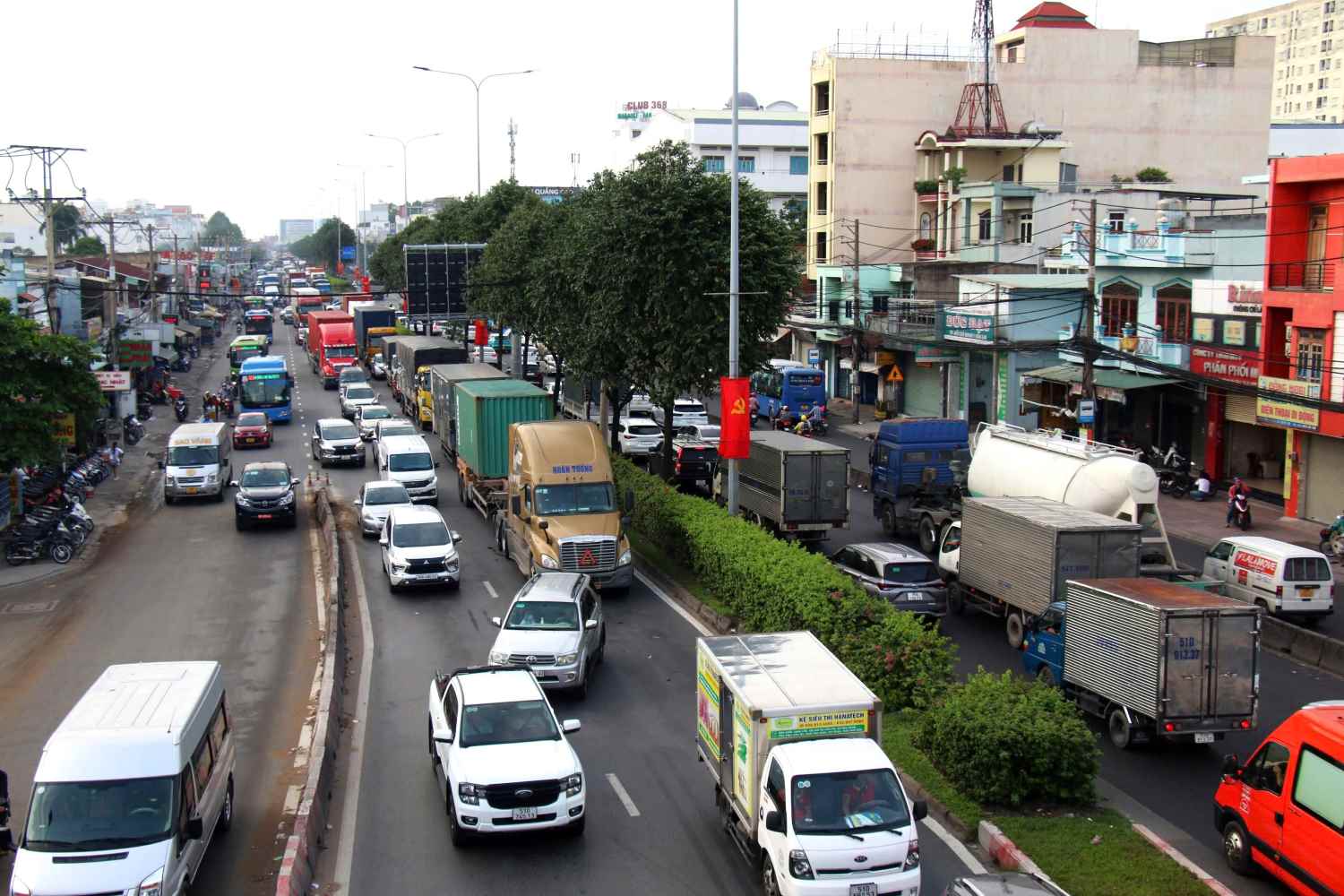
According to the design, 4 middle lanes are for fast-moving vehicles with a maximum speed of 80 km/h, and 6 lanes on both sides serve traffic at a speed of 60 km/h.
The project has a total capital of about 10,500 billion VND in BOT form, expected to start construction in the third quarter of 2026 and be completed in 2028.
Nguyen Van Bua Street - the main connecting route between Ho Chi Minh City and Tay Ninh will also be expanded from Nga Ba Giong to Provincial Road 9 bridge to a scale of 32 - 40 m.
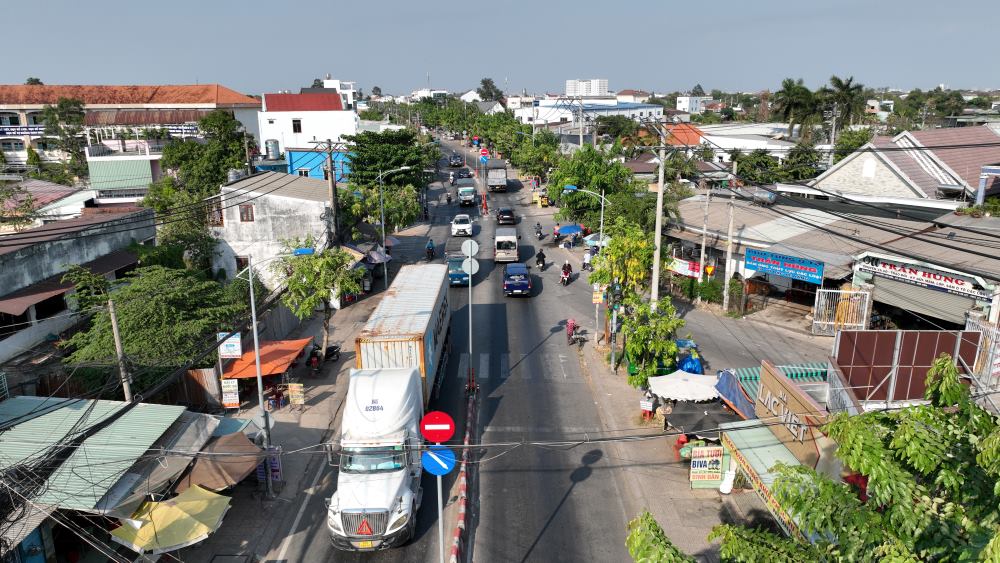
The project also builds a new block of Big Bridge and Provincial Road 9 Bridge, and expands existing bridges, with a total capital of more than 2,421 billion VND from the city budget. The project is expected to start construction in the third quarter of 2026 and be completed by the end of 2027.
Another notable project is the Phan Van Hon parallel road, 8.5 km long, 30 m wide, connecting from National Highway 1 to Ring Road 3. The project has a total investment of about 3,720 billion VND.

Previously, the plan to expand Phan Van Hon street was approved in 2015 but could not be implemented due to capital constraints. Meanwhile, the existing road is increasingly overloaded, often congested and affected by flooding. Investing in a parallel route is considered a more effective and feasible solution than expanding the existing route.
Ho Chi Minh City is also preparing to implement the Thoi An - Thanh Xuan inter-ward road project (route 2), nearly 4.5 km long, 40 m wide with 6 lanes. This road will connect from Le Van Khuong to Ha Huy Giap, and also have a branch connecting Le Thi Rieng street and building a new Da Han bridge.
The project has a total capital of about 3,563 billion VND, expected to be completed in 2028.
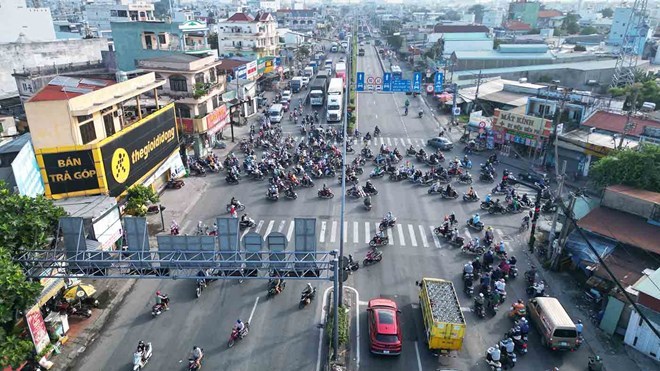
In addition, the project to upgrade and expand Huong Lo 80B road - the route connecting Nguyen Anh Thu with Le Van Khuong will also be implemented with a total capital of more than 1,100 billion VND.
From an existing road surface of only 7-8 m wide, the route will be expanded to 30 m, contributing to increasing connectivity and reducing load on adjacent roads. The project is expected to start construction in the third quarter of 2026 and be completed by the end of 2027.


