
Zero-dollar ticket" is not enough to change travel habits
After a month of implementing the free bus ticket policy, the number of passengers in Ho Chi Minh City increased by nearly 40%, showing positive signs in attracting people to choose to use public transport. However, according to experts, the "zero-dollar ticket" is just an initial boost. For people to stick with buses for a long time, the quality of service and convenience of the entire system are more important.
Talking to Lao Dong Newspaper, Dr. Tran Quang Thang - Director of the Institute of Economics and Management of Ho Chi Minh City - said that people not only need a free ticket, but also a service "trustworthy, worthy of use and worthy of pride".
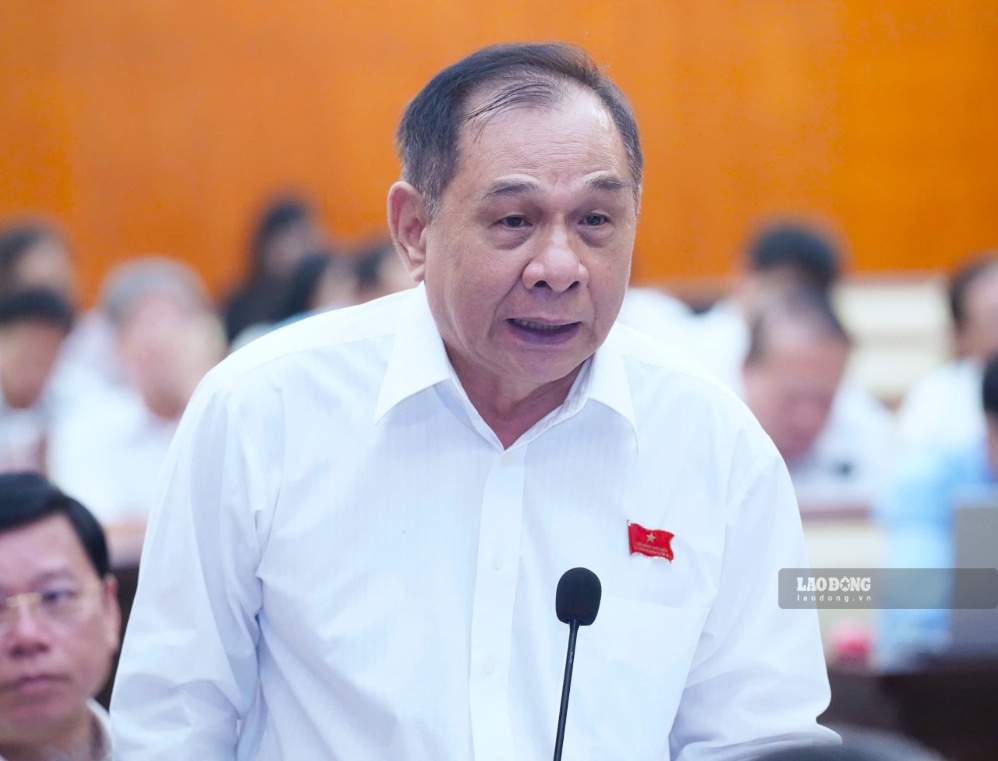
Accordingly, buses need to ensure cleanliness, coolness, safety; operate on time with reasonable frequency; have spacious waiting rooms; convenient technology application; smooth connection with other modes of transport and accompanied by a civilized service attitude.
Toll free is a great effort of the city in reducing traffic congestion, reducing environmental pollution and removing financial barriers for people. However, service quality only solves the psychological barrier - which has made many people reluctant to use buses for many years" - Mr. Thang said.
According to analysis, if buses are often late, waiting rooms lack amenities, or route changes are inconvenient, the benefits of free tickets will be difficult to maintain in the long term. Conversely, when people feel that taking the bus is convenient, on time and comfortable, they are willing to continue using it even if they have to pay a reasonable price.
Prioritize metro-bus connection to create spillover effects
In the context of Ho Chi Minh City gradually expanding the metro network, experts believe that the most important priority in the coming period is to strengthen the connection between the metro and buses.
According to Dr. Tran Quang Thang, this is a factor that has the potential to create the largest spillover effect, both increasing the number of passengers using public transport and promoting the investment efficiency of the metro system.
After the metro-bus connection, the next priorities are successively improving bus punctuality, increasing operating frequency, improving the quality of waiting rooms and promoting digital transformation.
When the network is well connected, travel demand will increase, thereby creating motivation to continue improving frequency, service quality as well as infrastructure investment," the expert analyzed.
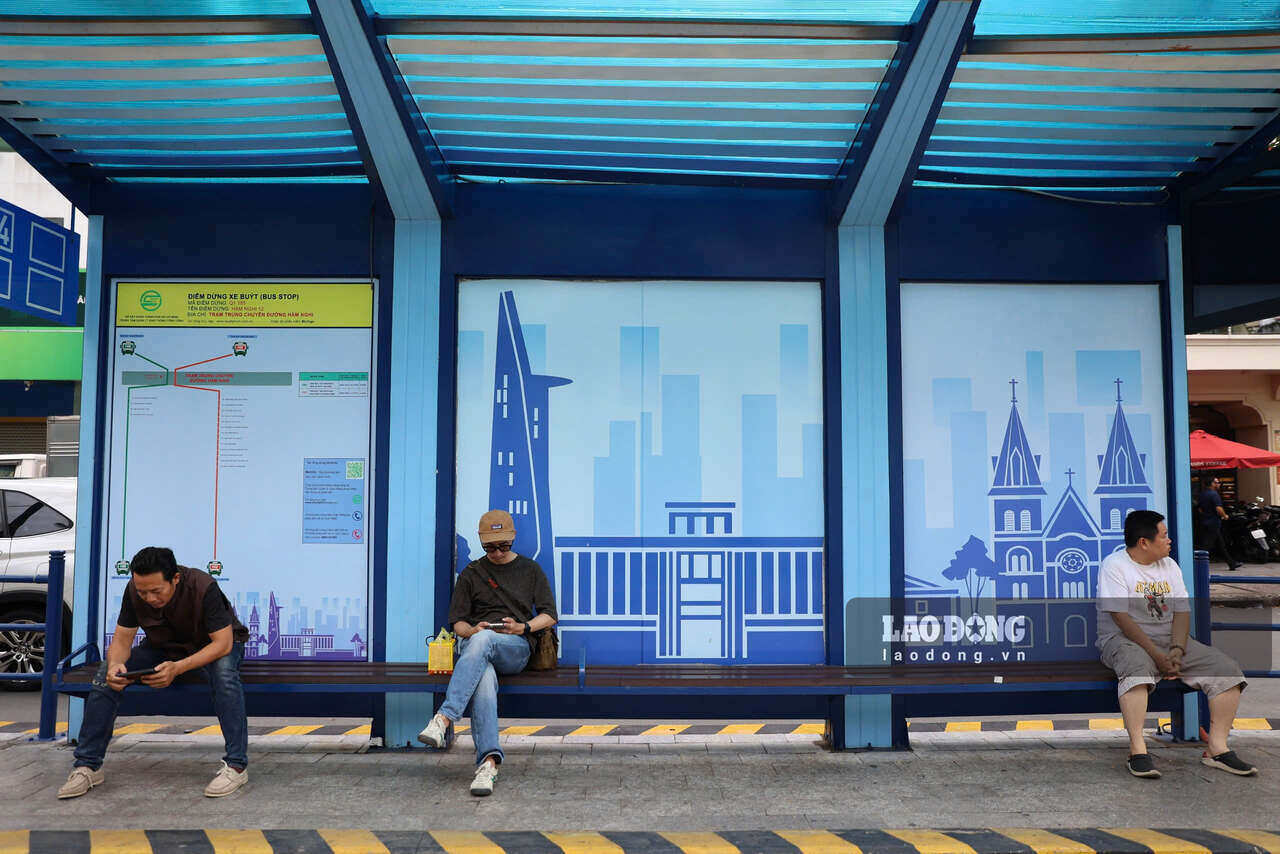
To realize this goal, Mr. Thang recommends continuing to complete the continuous canopies and walkways between metro stations and bus stops; building modern transfer stations with real-time information; developing small buses to gather passengers from residential areas to metro stations; prioritizing dedicated lanes for buses on connecting axes and soon completing the interconnected electronic ticketing system between metro, buses, river buses and public bicycles.
Should switch to targeted support after the demand stimulus phase
Besides the story of improving service quality, experts also believe that Ho Chi Minh City should shift from "all-people free" to "targeted support" after the demand stimulus period, focusing on students, elderly people, people with disabilities and vulnerable groups.
This approach both helps to use budget resources effectively and maintain revenue to continue reinvesting in the public transport system, while creating a driving force for sustainable development" - Mr. Thang said.
Dr. Tran Quang Thang proposed a roadmap including three phases. In the immediate future, continue to exempt all people to form the habit of using buses. The next phase, maintain free services for priority groups, and apply a price reduction policy for metro-connected routes. When the system operates stably, the city can collect fees at a reasonable level, accompanied by an inter-agency ticket system and continue to invest in improving service quality.
According to experts, the ultimate goal is not to maintain a "zero-dollar" ticket at all costs, but to build a public transport system that is convenient and reliable enough for people to proactively choose. When service quality is improved synchronously, buses are not only a cost-saving means of transport but also become a priority choice in the daily lives of Ho Chi Minh City residents.


