
From July 1, 2026, the regulation requiring the installation of journey monitoring devices and cameras on passenger cars with 8 seats or more officially takes effect. This is considered an important step to strengthen management, tighten discipline and ensure traffic order and safety in passenger transport activities.
According to the Law on Road Traffic Order and Safety, passenger transport vehicles with 8 seats or more must be equipped with synchronous journey monitoring devices and cameras recording drivers and passenger compartments.
Representatives of the Ministry of Public Security said that the deployment of these devices not only serves to monitor journeys but also aims to proactively prevent and detect law violations on traffic routes. Image data from cameras helps functional forces promptly track down criminals and detect signs of insecurity on vehicles.
Dr. Khuong Kim Tao - former Deputy Chief of Office of the National Traffic Safety Committee - said that image monitoring will contribute to raising the awareness of compliance of drivers. In fact, there is still a situation where drivers let go of the steering wheel, smoke or lose focus when driving vehicles. Surveillance cameras will become "magic eyes", contributing to forming a more professional and safer traffic culture.
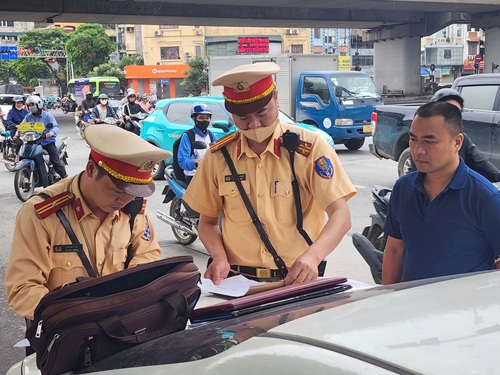
While the new regulations still have time to prepare, many transport businesses have proactively applied artificial intelligence (AI) to vehicle and driver management.
According to Mr. Le Anh Dung - CEO of Futa Ha Son, the unit has completed the installation of AI cameras on 100% of vehicles, equivalent to about 150 passenger cars.
The advantage of the system is the ability to analyze data and issue immediate warnings. When detecting drivers showing signs of drowsiness, smoking or vehicles going in the wrong lane, the system will send warnings to the operating center. Data is compiled daily to promptly remind and correct, contributing to minimizing risks early.
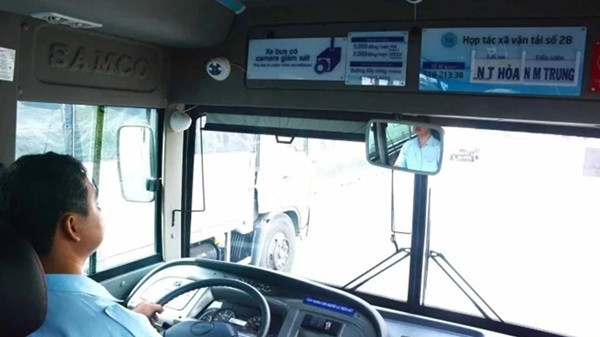
A transportation business on the My Dinh - Thai Binh route shared that although the investment cost is about 5 million VND for each set of equipment, this is a necessary investment. Not only helping to raise drivers' awareness of complying with regulations, the system also creates peace of mind for passengers throughout the journey.
Chairman of the Vietnam Automobile Transport Association - Mr. Nguyen Van Quyen said that currently the rate of vehicles installing equipment according to new regulations is only over 50%. The main reason is that many businesses have invested in equipment according to old regulations, so they are still concerned about the costs incurred when upgrading the system.
Meanwhile, functional forces are urgently completing technical infrastructure to serve management work. Senior Lieutenant Colonel Pham Duc Dong - Deputy Head of the Road and Railway Traffic Patrol and Control Guidance Department (Department of Traffic Police) said that a centralized data center system is being built to receive, analyze and warn of violations in real time.
Experts believe that the regulation requiring the installation of surveillance cameras is not only a legal requirement but also an inevitable trend of the modern transportation industry. Although there are still difficulties in investment costs and technical infrastructure, this is expected to be an important solution contributing to reducing traffic accidents, protecting people's lives and building a transparent and safe transportation environment.


