
The El Nino phenomenon has formed in the equatorial region of the Pacific Ocean, posing a risk of months of drought, floods and temperature fluctuations, threatening communities around the world as well as the agricultural and energy sectors.
The Japan Meteorological Agency (JMA) said that this is the first El Nino since 2023 and may become one of the strongest waves. It is forecast that El Nino will continue to strengthen in the coming months, reaching very strong intensity at the end of the year and lasting at least until December.
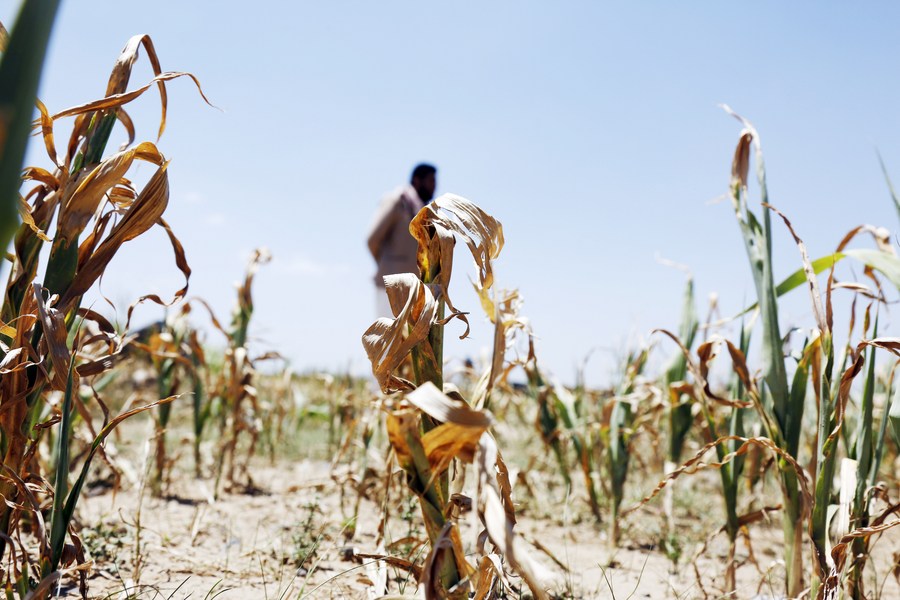
Even before officially confirmed, the impact of El Nino was recorded in many parts of the world. In India, the rainy season started slower than usual, while Peru had to temporarily suspend the fishing season.
A strong El Nino in 1997 killed at least 30,000 people and caused damage of about 100 billion USD worldwide. A study published in 2023 by Dartmouth University, USA, shows that the prolonged effects of El Nino could cause the world economy to lose trillions of USD.
The intensity of El Nino is determined based on the level of seawater temperature in the equatorial Pacific region being higher than normal. When the temperature is 2 degrees Celsius or higher than average, this phenomenon is classified as very strong, often informally called "super El Nino".
According to the commodity brokerage company Marex, strong El Nino spells in history often reduce the yield of many important crops such as palm oil, coffee, cocoa, cotton and cereals, including wheat and rice.
Global weather impacts are forecast to spread and become more serious when El Nino peaks in December or January. The impacts may include cooler and more humid winters in the southern United States, while some areas of Australia increase the risk of drought and wildfires.
The Atlantic hurricane season may also be affected by El Nino. Initial forecasts from academia, trade forecasting organizations and government agencies show that this year there may be about 14 named storms, equivalent to the multi-year average.
What worries many weather experts and observers is that El Nino this year may develop into a "super El Nino". In the US, El Nino is monitored through sea temperatures in the Pacific Ocean, especially in the area called Nino 3.4.
According to the US National Oceanic and Atmospheric Administration (NOAA) standards, El Nino is confirmed when the sea surface temperature is at least 0.5 degrees Celsius higher than the long-term average for five consecutive periods, each period lasting three months and with time overlap.


