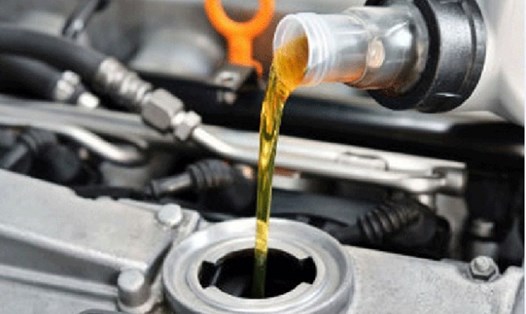
Gearbox oil plays an important role in the operation of the transmission system, helping to lubricate, cool and reduce friction between mechanical details.
Whether it is a manual or automatic car, maintaining a suitable oil level and changing oil periodically is decisive for the lifespan of the gearbox.
The first step when checking gearbox oil is to determine the position of the oil rod. This information is usually clearly stated in the vehicle user manual.
On some new car models, especially cars using closed gearboxes, users may not be able to check themselves and need the support of technicians.
Before conducting the inspection, the car should be parked on a flat surface, pull the parking brake and move the gear lever to position P for automatic cars.
Some car models require inspection when the gearbox oil is hot, while other models need to be done when the engine is cool. Therefore, car owners should refer to the manufacturer's recommendations to ensure accurate results.
After determining the position of the oil rod, gently pull the rod out of the hose. Some vehicles use bolts or screws, so you need to operate according to the instructions.
Next, use a clean cloth to wipe off all the oil sticking to the test stick before fully re-plugging it in the original position.
The next step is to pull out the draw stick again to read the results. The oil ink must be within the standard range marked on the draw stick.
If the oil is lower than the minimum level, the gearbox is at risk of lacking lubrication. Conversely, too much oil can also affect operating efficiency and increase pressure inside the system.
In addition to checking the oil level, users should also observe the color and smell of the gearbox oil.
Automatic gearbox oil is usually red or amber, while manual gearbox oil is usually darker. If the oil turns dark brown or black, cloudy and has a burning smell, this is a sign that the oil has degraded and needs to be replaced soon.
Car owners should also check the gearbox oil during periodic car maintenance.
For manual transmission cars, the oil change time usually ranges from 48,000 - 96,000 km.
For automatic transmission vehicles, the common oil change cycle is about 96,000 - 160,000 km, depending on operating conditions and manufacturer recommendations.
In addition to changing the oil on time, car owners should maintain reasonable use habits such as warming the engine when the weather is cold, avoiding sudden acceleration, not carrying overload and choosing the right gear when operating.
At the same time, pay attention to unusual signs such as difficult gear shifting, strange noise, oil leaks or a burning smell arising during movement.
Periodic inspection and maintenance of gearbox oil not only helps the transmission system operate stably but also limits the risk of serious damage.