
After the merger, Lam Dong province has a territory stretching from the highlands to the plains and the sea area, posing a major requirement for vehicles serving work.
On this specific basis, the allocation of official cars is calculated in the direction of covering the area, ensuring smooth movement between areas. Especially traveling from localities to the Provincial Administrative Center for meetings and work.
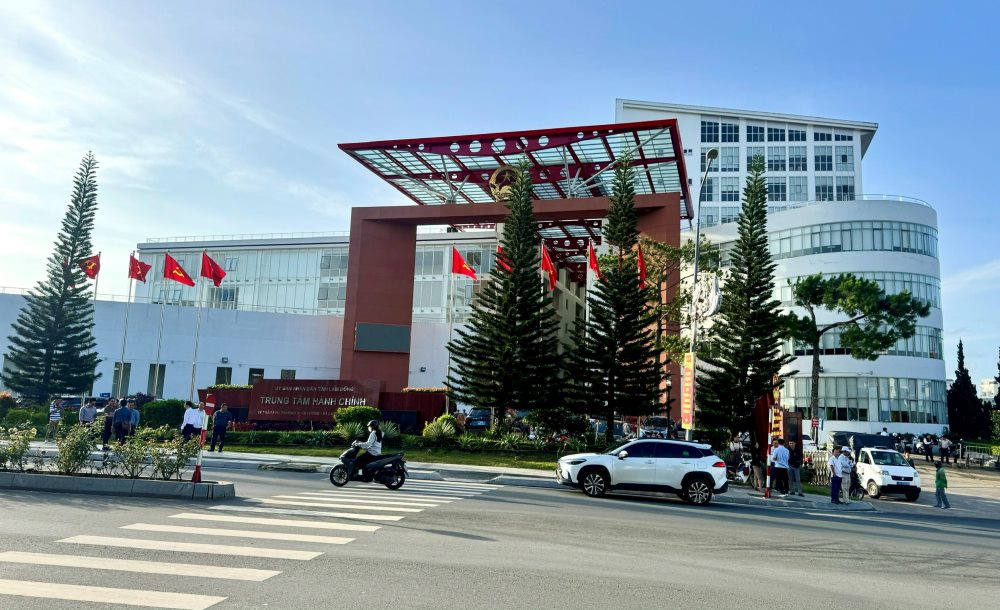
On March 18, Lam Dong Provincial People's Committee said that it had allocated a total of 506 official cars to localities, agencies, and units directly managing and using them. This is the number determined according to the maximum norm, in order to meet the actual needs in the context of a large area and many remote areas.
In which, the local block is allocated 248 vehicles for 124 communes, wards, and special zones. According to the allocation plan, each locality is allocated 1 vehicle to serve the Party Committee office and 1 vehicle for the People's Council and People's Committee offices. This approach aims to ensure convenient business travel at the grassroots level, especially in areas far from the center.
Depending on the specific characteristics of each department, the appropriate number of vehicles will be allocated to the department office and affiliated public service units. For example, the Department of Agriculture and Environment is allocated the most vehicles with a quantity of 30 vehicles.
According to the People's Committee of Lam Dong province, the allocation of official vehicles is the maximum norm according to the provisions of law on standards and norms for using cars. Not only stopping at allocating quantity but also accompanying the requirement to tighten management.
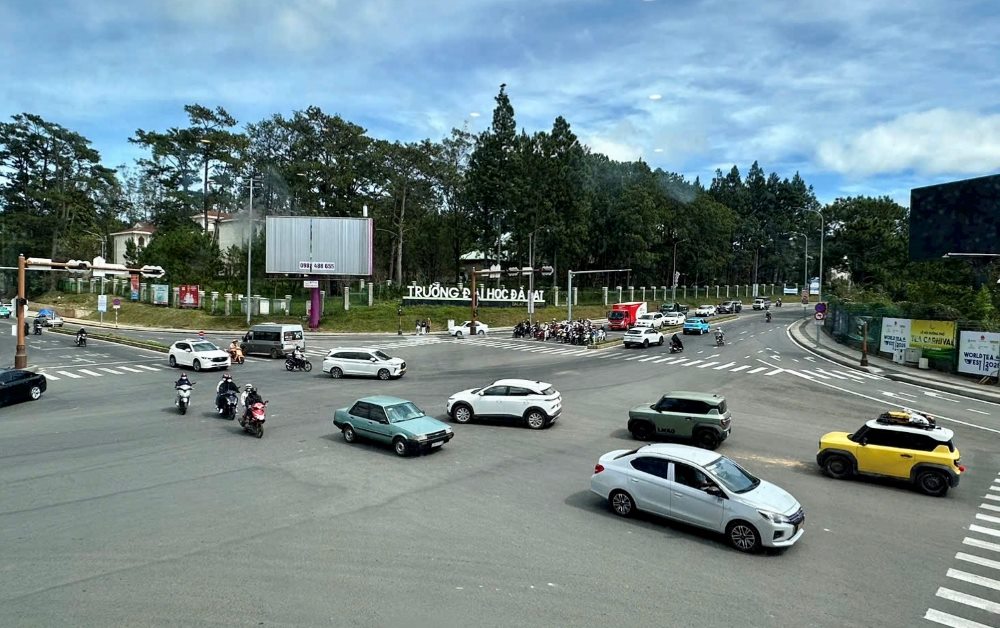
Heads of agencies and units are responsible for organizing the use of vehicles for the right purpose, according to standards and norms. At the same time, issue internal regulations to ensure economical and effective use.
The province also emphasizes the principle of publicity and transparency in the management of official vehicles, avoiding waste and loss. This is considered a step to both meet the work requirements on a large area after the merger and strengthen discipline in the use of public assets.


