On the afternoon of September 10, Hanoi City People's Committee organized a conference to deploy decisions on allowing controlled testing in the city.
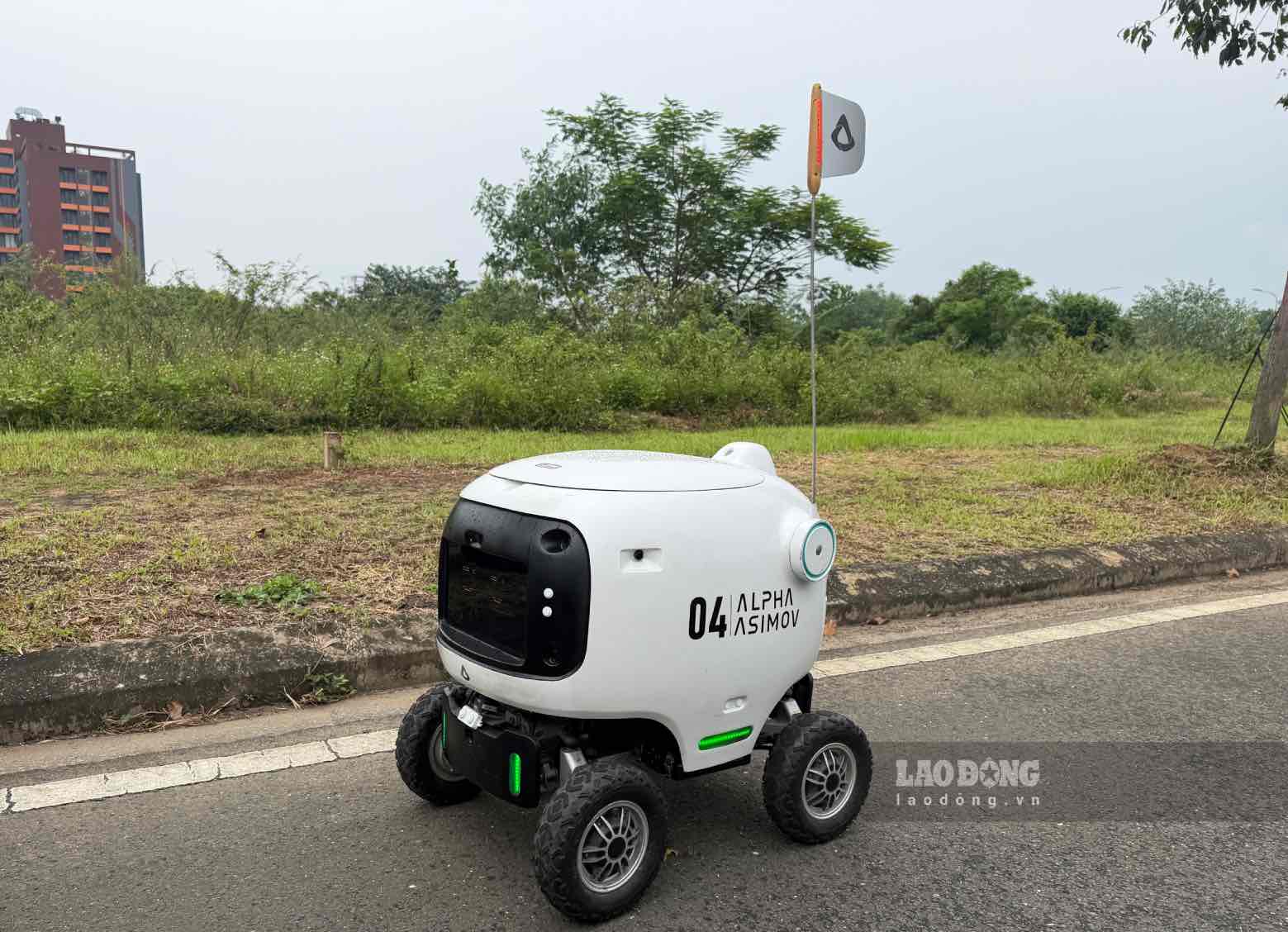
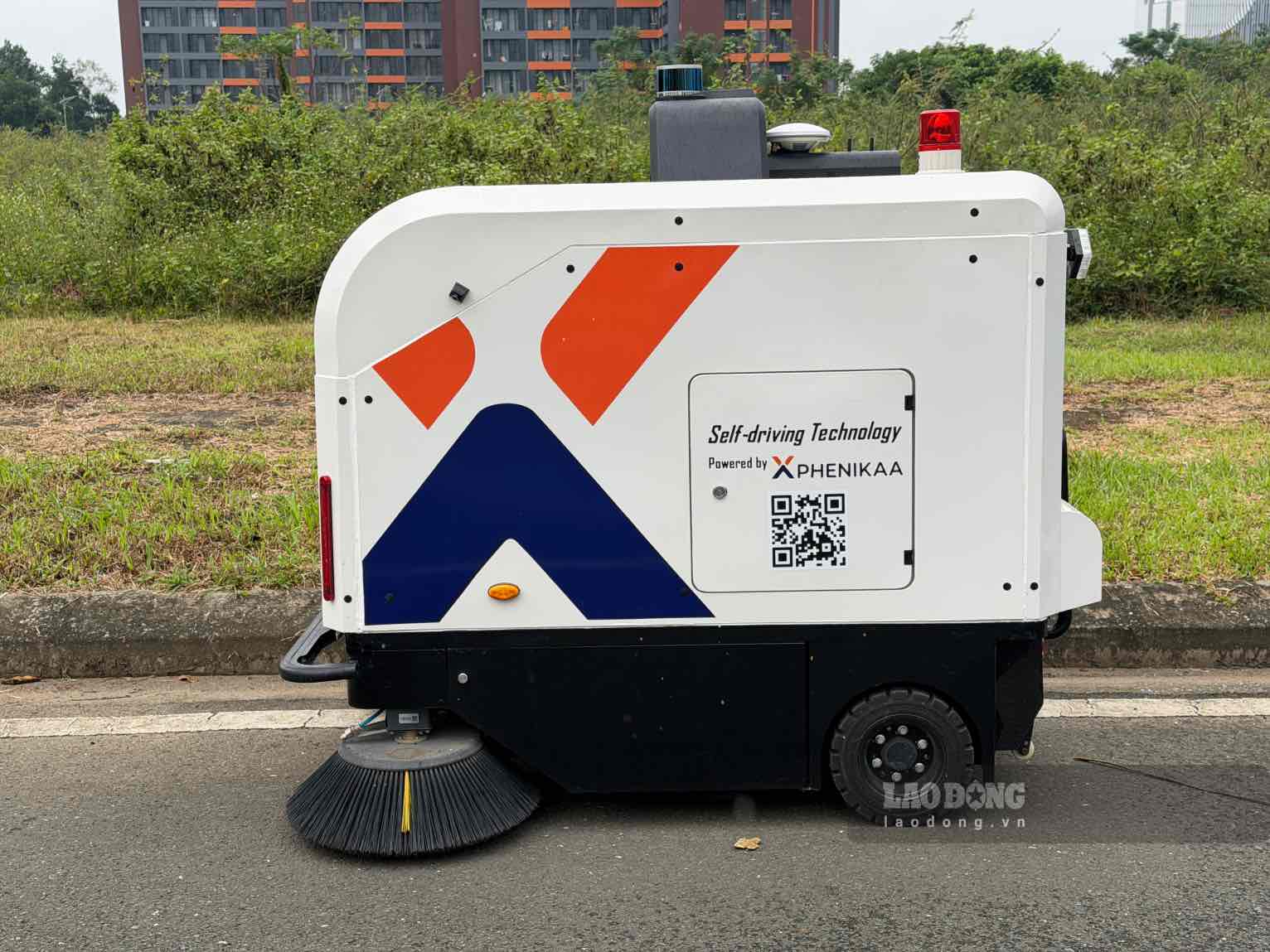
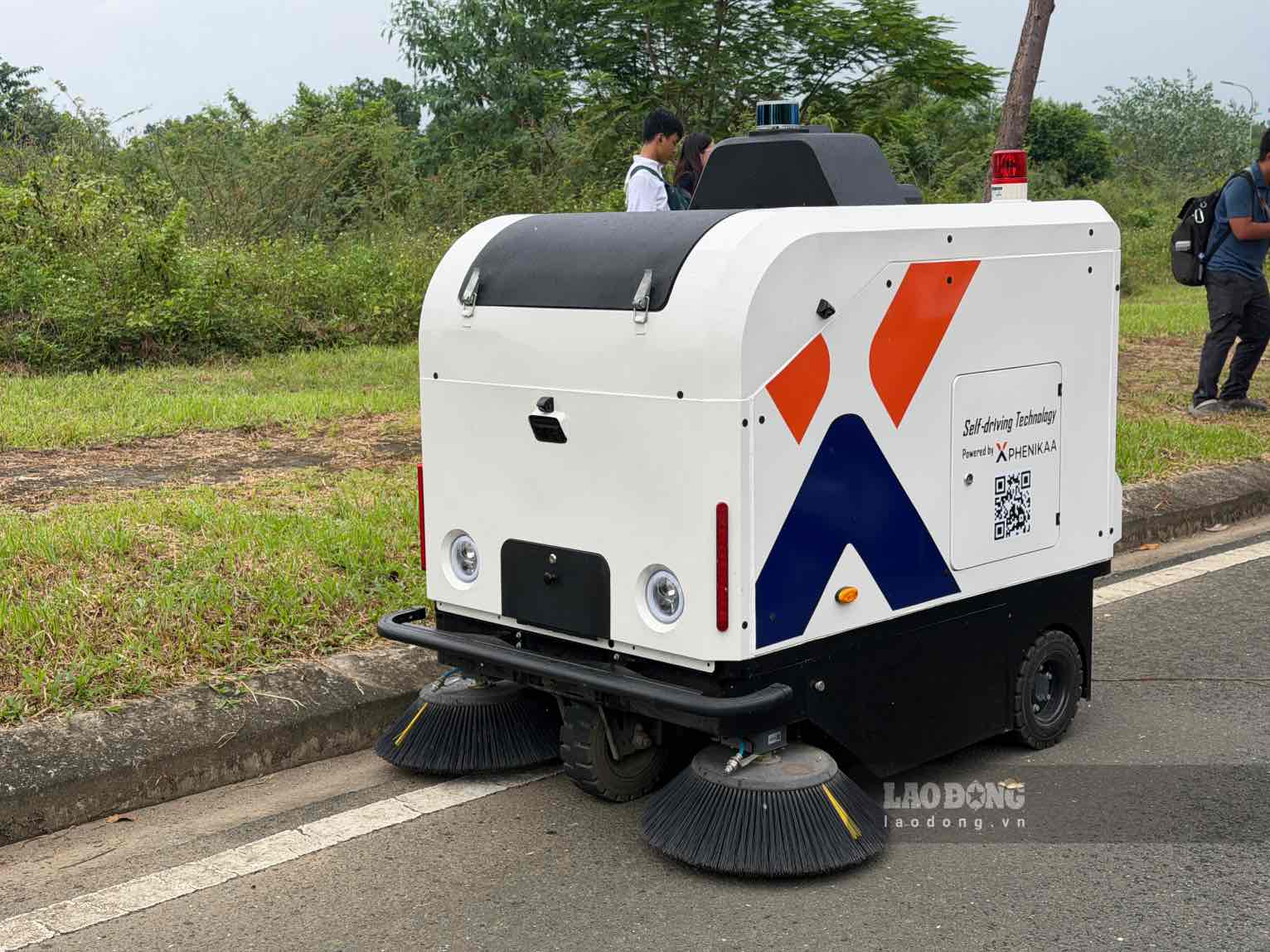
At the conference, Vice Chairman of Hanoi People's Committee Truong Viet Dung awarded a decision allowing Phenikaa-X Joint Stock Company to test a smart self-driving transportation system, including buses, robotaxi, cleaning robots, and delivery robots.
Along with that, city leaders awarded a decision allowing Construction Consulting and Mining Technology Joint Stock Company to test the production of total rare earth oxide with a content of over 95%.
Speaking at the conference, Assoc. Prof. Dr. Le Anh Son - Director of Phenikaa-X Joint Stock Company, Director of Phenikaa University said that behind today's decision are more than 5 years of research, thousands of test runs and tens of thousands of km of verification.
We have been and are mastering the entire software system of self-driving vehicles (considered the brain of vehicles) including high-precision digital maps, positioning, environmental recognition, route planning, control and other components" - Assoc. Prof. Dr. Le Anh Son shared.
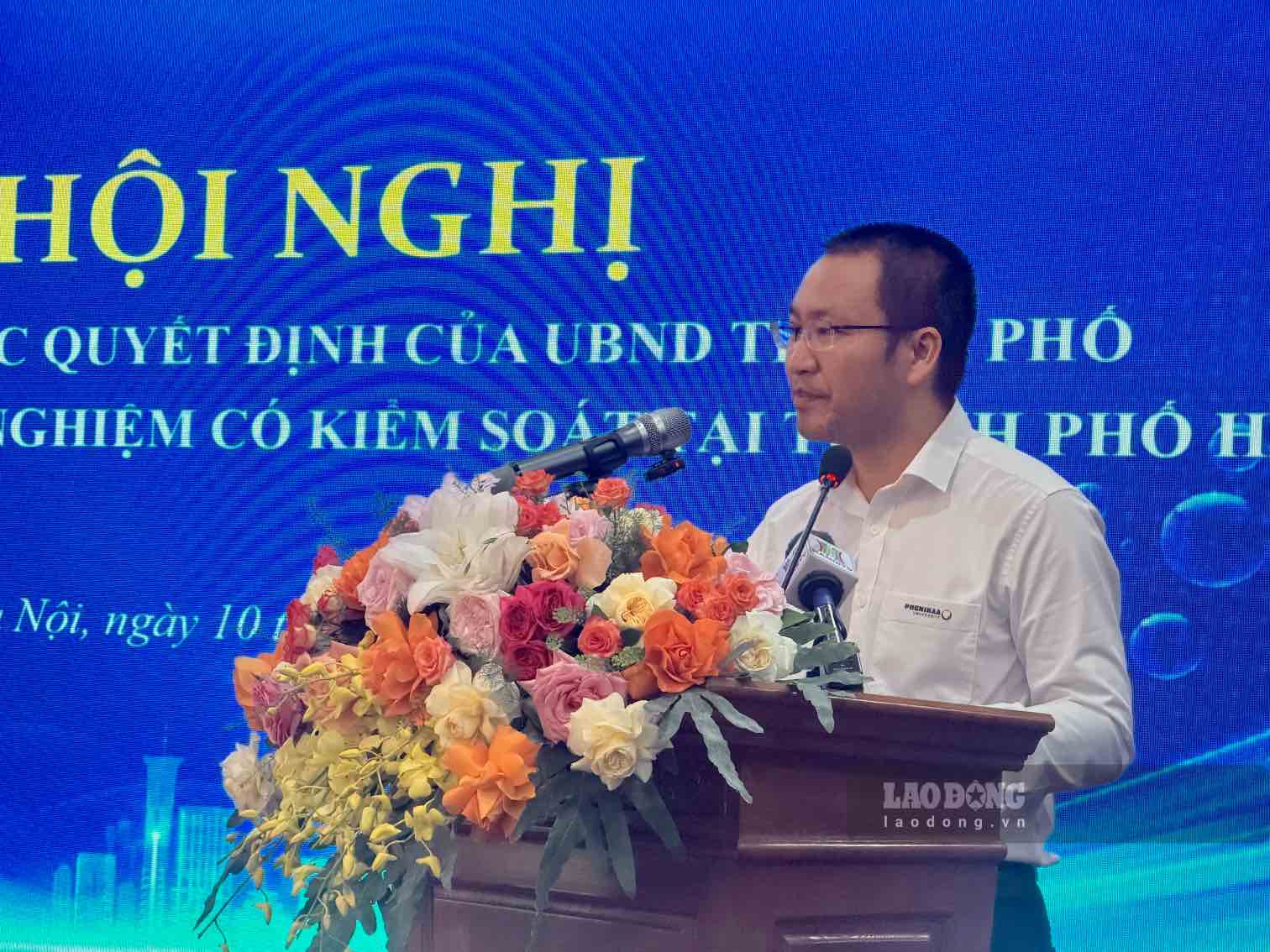
According to Assoc. Prof. Dr. Le Anh Son, Vietnamese traffic is not like anywhere that has tested axi robots. The stream of motorbikes is dense, vehicles fluctuate every second, a car can appear from a blind spot and change direction in an instant. That problem requires algorithms that are accurate enough to recognize, fast enough to calculate in milliseconds and flexible enough to make safe decisions.
At the conference, the Director of Phenikaa-X Joint Stock Company committed that safety is a prerequisite; full and truthful reporting of operating data and 24-month experience will contribute to completing the legal framework for self-driving vehicles.
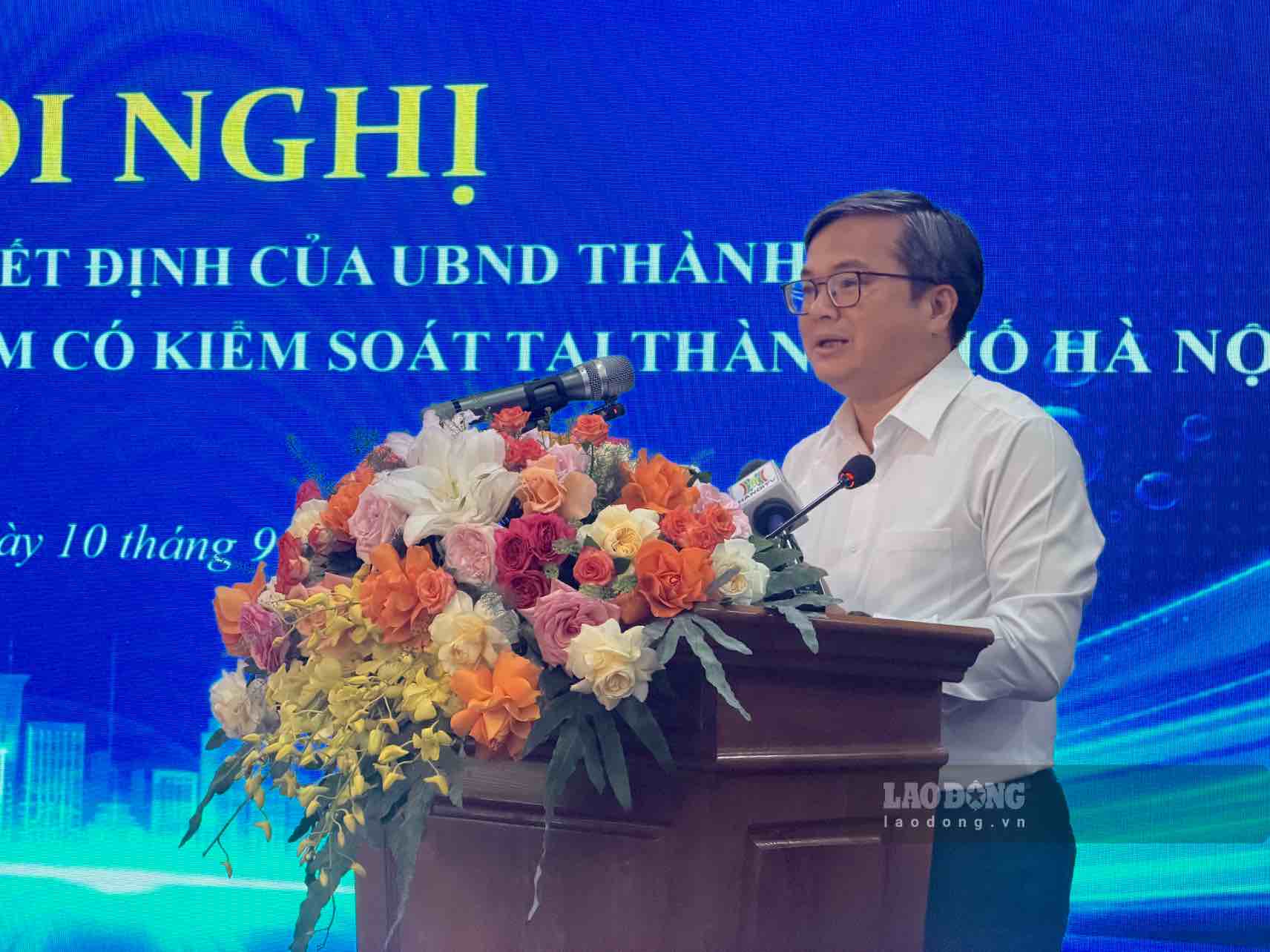
Speaking to direct the conference, Vice Chairman of Hanoi People's Committee Truong Viet Dung said that with Phenikaa-X's smart self-driving transportation system, after 24 months of testing, the city does not only need to know whether the robotaxi can run or not.
The city hopes to know: "Is this smart self-propelled traffic system safe, stable, how to handle situations, can the city's current infrastructure meet it, what are the conditions for commercialization and replication?
And with the pilot project of producing total rare earth oxide with a content of over 95% on a semi-industrial scale, after 18 months, the city does not only need to know whether to produce products or not.
The city wants to answer the question: "Is it really mastering technology or not, is the efficiency stable or not, is the quality guaranteed; are chemicals, environmental waste and safety controlled or not; are there enough conditions to move to the next scale or not?
Vice Chairman of Hanoi People's Committee Truong Viet Dung requested the Department of Science and Technology and related units to establish a monthly or quarterly evaluation system; remove difficulties wherever they are, adjust policies promptly; assign powers associated with responsibilities.
When the trial is completed, relevant units propose which technology city is eligible for commercialization; standards and technical regulations need to be issued; and regulations that are hindering need to be removed.
At the end of the conference, Vice Chairman of Hanoi People's Committee Truong Viet Dung and delegates directly experienced robotaxi at Hoa Lac High-Tech Park.