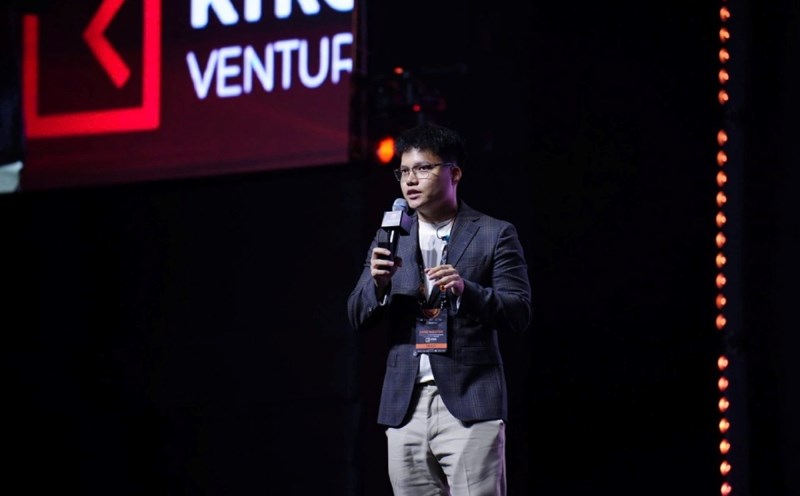
The draft law, submitted by Minister of Science and Technology Nguyen Manh Hung, authorized by the Prime Minister, presented to the National Assembly on the afternoon of October 27, has a noteworthy content.
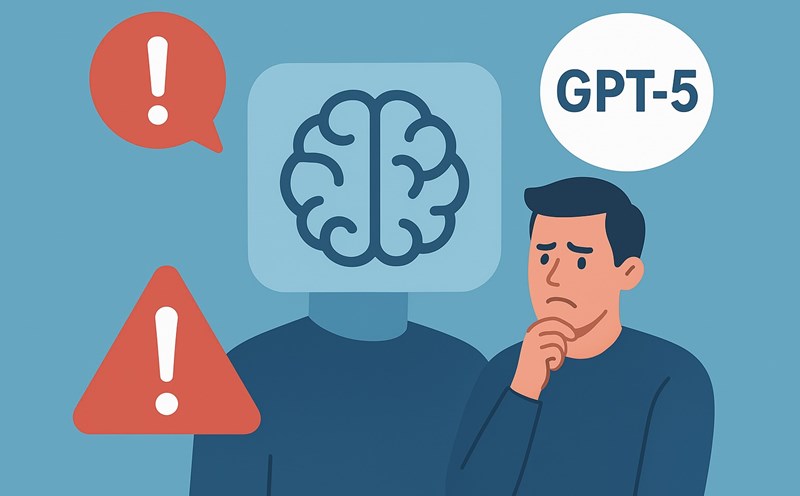
That is, the draft law has added a provision for the protection of intellectual property rights for virtual assets and artificial intelligence. This is to create a complete and clear legal basis for protecting industrial property rights, as well as "updating new issues in intellectual property protection in the world in accordance with Vietnam's policies and socio-economic development level" - as explained by Minister Nguyen Manh Hung.
In fact, in Vietnam today, virtual assets are no longer a strange concept. An item in a video game, an NFT, or a 3D design model can be traded for hundreds, even thousands of USD in the free market in the online environment.
Similarly, creative products with the participation of artificial intelligence, from paintings to music that have been causing a fever on social networks recently such as "Say a lifetime for you", "Van ly sau", "Da Lat con mua khong em" ... are increasingly popular and have commercial value.
Or most recently, the phenomenon of "AI singer" performing Trinh Cong Son's music like "Old Diem" or "Ha trang" with a strong rock style, completely different from the familiar lyrical, profound content.
However, when these products and assets are not recognized by law or are not fully recognized as subjects of intellectual property rights, they are easily copied and occupied without the owner or without enough basis to protect them.
Therefore, adding regulations on protection of virtual assets and AI is not only to protect the rights of creators, but also to recognize the true economic value of intangible products.
This creates a legal corridor to help digital creative industries such as: games, cinema, design, programming... feel secure in investing, developing and exploiting commerciality.
The addition of these regulations is also an important lever for the development of the knowledge economy. When a digital product is recognized as a legally protected asset, social trust in technological innovation will increase.
Businesses can boldly invest in research, technology startups can raise capital from "intellectual property", while young people have more motivation to be creative without worrying about being copied or taken over.
For managers, the new regulation, if applied, will also help have more legal basis to resolve disputes and confirm copyrights in the digital space. When the law has a clearer basis, there will be a basis to handle the behavior of copying, plagiarism, and appropriation of virtual assets or intellectual products created by AI.