
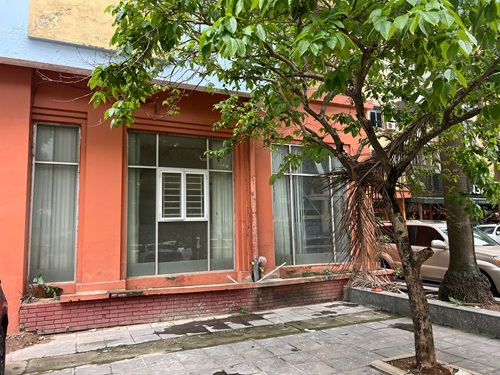
Records at resettlement apartment buildings such as Den Lu, Trung Hoa - Nhan Chinh, Dich Vong, Phu Thuong, Dong Tau, Cau Dien, Nam Trung Yen... show that many areas of the 1st floor have been vacant for a long time. Due to not being used, these areas are seriously degraded, cracked, moldy, and even become garbage collection places. Meanwhile, residents lack markets, community living spaces and essential services.
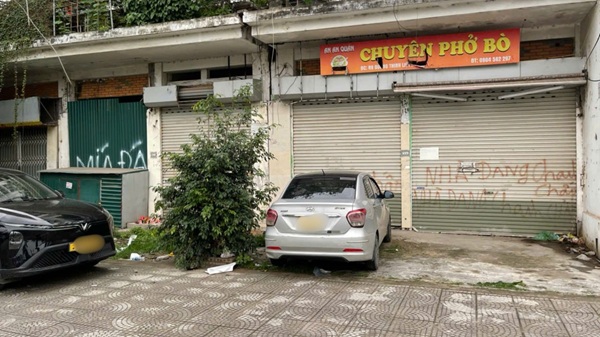
According to Ms. Nguyen Van Anh, a resident of building N02, Dich Vong resettlement area (Cau Giay ward), this area has high population density and high shopping demand. However, more than 664m2 of business service area of the building is closed and not operating.
Similarly, Ms. Phan Thi Thanh Nga, a resident of building N3B, N2 Trung Hoa - Nhan Chinh urban area, said that more than 200m2 of business service area on the 1st floor of the building has been abandoned for a long time. Due to not being renovated and repaired in time, this area is increasingly degraded.
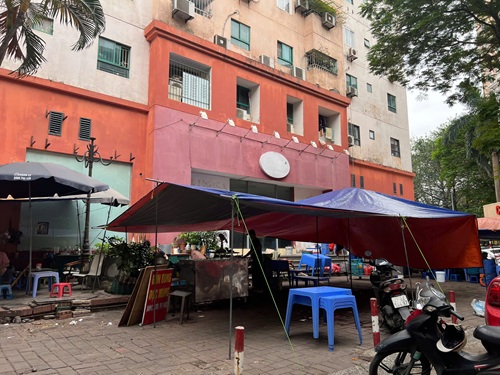
Easy-to-see images are rows of kiosks closing silently, peeling walls, broken glass doors, rusty iron doors. Inside, it is dark and humid; many places are occupied as storage or garbage dumps. People hope that Hanoi City will soon organize auctions to put these areas into use to avoid waste and improve the appearance of the building.
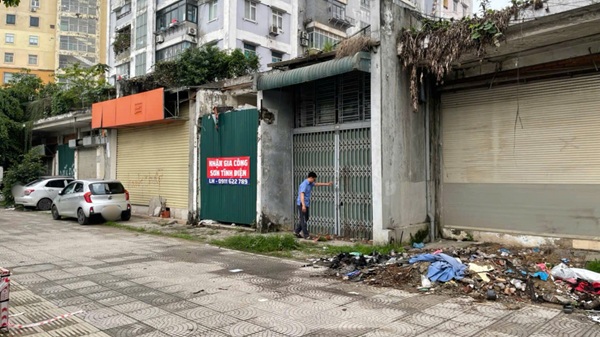
At Den Lu resettlement area, many buildings recorded the situation of ceiling and concrete beams in the service business area cracking and water seepage. Grass and trees overflowing from the balcony to the porch, creating a desolate scene. This area has nearly 9,000m2 of business area, but only about 3,200m2 has been leased; the rest has been vacant for many years, including buildings that have no tenants for the entire 1st floor.
A similar situation also occurs in Dich Vong, Cau Dien, Xuan Dinh, Dong Tau areas... with thousands of square meters not yet exploited. Many places have become garbage dumps, with weeds growing rampant, causing environmental pollution.
Information from Hanoi Housing Management and Development One Member Limited Company, as of April 1, 2026, the unit is managing 100 resettlement apartment buildings with a total business service area of 51,651.53m2. Of which, the area leased and borrowed reached 27,718.87m2; there are still more than 24,000m2 that have not been exploited, causing great waste. In addition, about 368m2 of area is currently being illegally occupied.
People believe that leaving service business areas vacant causes many inconveniences in daily life. Many densely populated residential areas lack shops and mini-supermarkets, forcing people to travel far to shop. At the same time, abandoned areas reduce the value of real estate, making the living environment become messy.
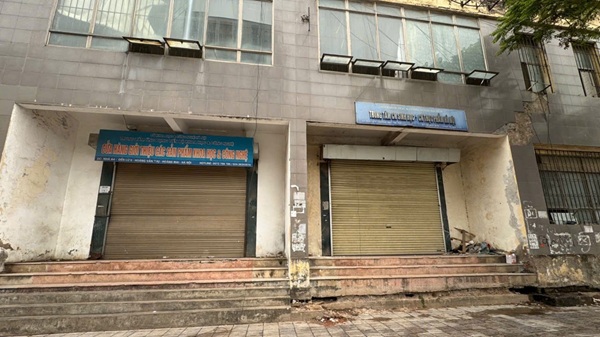
Ms. Nguyen Thi Thoa, a resident of Den Lu resettlement area, said that the whole area has 11 buildings, of which up to 5 buildings have completely vacant business and service areas. The remaining six buildings are only partially exploited, the rest are still abandoned. "Previously, people could buy essential items right on the 1st floor, but now they have to travel kilometers away. Unfortunately, Den Lu resettlement area is located on a road convenient for business and trade, always crowded with people passing by," Ms. Thoa shared.
Not only causing economic waste, this situation also entails many consequences. Abandoned areas easily generate waste, mold, stagnant water, creating conditions for insects and bacteria to develop, affecting residents' health. Potential risk of insecurity and disorder.
Management work also faces many difficulties. Although barriers have been erected, prohibition signs have been placed, and patrols have been organized, the situation of littering and encroachment still recurs. Even in front of abandoned kiosks, spontaneous trading points have appeared, causing environmental unsanitary conditions after each market session.
Local authorities said that they have organized cleaning many times, but after only a short time, waste reappears. Decisive treatment faces many obstacles due to the lack of effective exploitation plans for these areas.
According to experts, the abandonment of tens of thousands of square meters of "golden land" on the 1st floor of resettlement areas shows inadequacies in public asset management. Meanwhile, in commercial apartment buildings, this area is always effectively exploited, bringing high economic value.
This situation not only causes budget revenue loss but also loses opportunities for service development, reducing the attractiveness of residential areas. If there are no solutions to put them into use soon, resettlement areas will continue to degrade, directly affecting the quality of life of people and the urban appearance.


