
On August 26, in Da Nang, the Forum "Vietnam Resort Tourism Real Estate 2026" focused on analyzing opportunities, challenges and solutions to bring the market into a new stage of development.
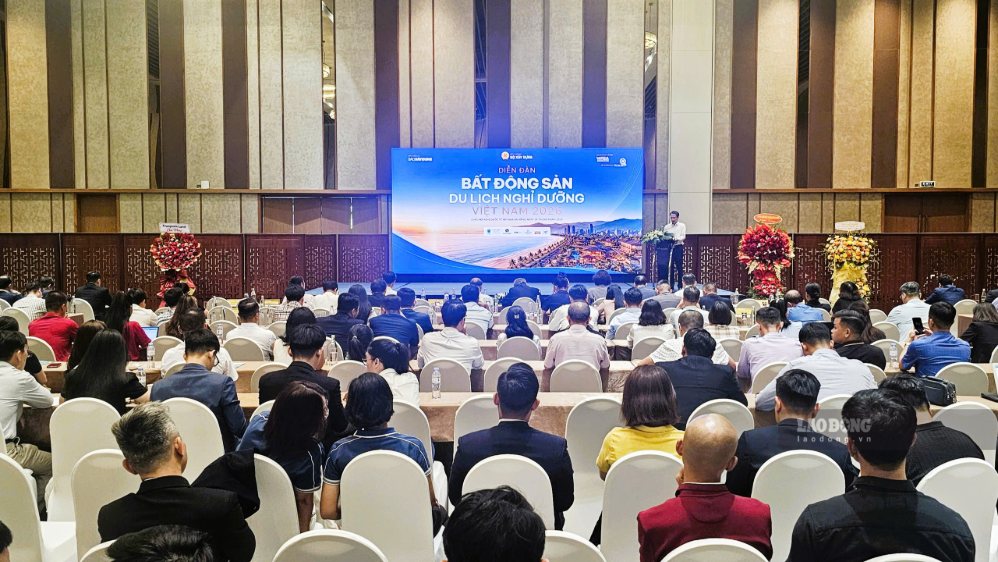
According to the Ministry of Construction, the resort real estate market is showing signs of recovery after a difficult period in terms of legality, capital flow and liquidity. In the second quarter of 2026, the whole country has 9 projects approved for investment policy, 4 projects licensed for new construction with a scale of about 1,807 tourist apartments and 942 tourist villas. Currently, there are 47 projects under implementation, corresponding to about 21,456 tourist apartments and 3,865 tourist villas.
Although the recovery signal is clearer, the market is experiencing strong differentiation. Projects with full legal status, convenient locations, operated by reputable brands continue to attract transactions, while products lacking transparency still face difficulties.
Do not trade off the environment for growth
Speaking at the forum, Vice Chairman of Da Nang City People's Committee Le Quang Nam said that the city has many advantages in developing resort real estate thanks to the sea, landscape, transportation infrastructure and destination brands. The new development space after the merger opens up more opportunities to connect sea, mountains, rivers, urban areas, culture and heritage to form high-quality tourism products.
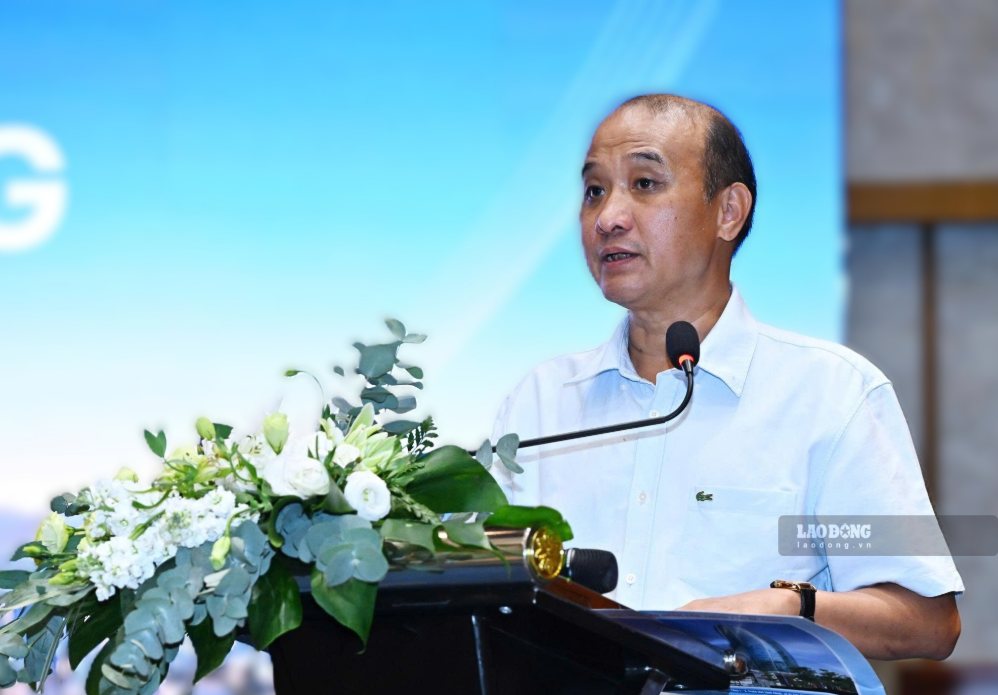
However, Da Nang leaders emphasized that tourism development is not only about increasing the number of visitors but also about increasing the value of exploitation, so that tourists stay longer, experience more and spend more. Therefore, resort real estate must become a part of the tourism - service ecosystem, instead of just simple accommodation projects.
According to Mr. Nam, in the coming period, the market needs to meet three requirements: clear legality, planning associated with infrastructure and competition by product quality and operating capacity. "Do not trade the environment, landscape, urban order and public interest for short-term growth," he emphasized.
Switching from "build for sale" to "build for operation
Dr. Nguyen Van Khoi - Chairman of the Vietnam Real Estate Association - said that in the past 15 years, resort tourism real estate has contributed to the formation of many large tourist centers such as Da Nang, Khanh Hoa, Phu Quoc, Quang Ninh... At the same time, large-scale projects have led to the development of transportation, commerce, services, logistics and jobs in many localities.
However, Mr. Khoi said that the market still faces bottlenecks such as unsynchronized laws, inadequate planning, difficulties in capital and investor confidence. An important solution is to continue to improve institutions, build a transparent investment environment, develop according to real needs, promote digital transformation and move towards green and sustainable real estate.
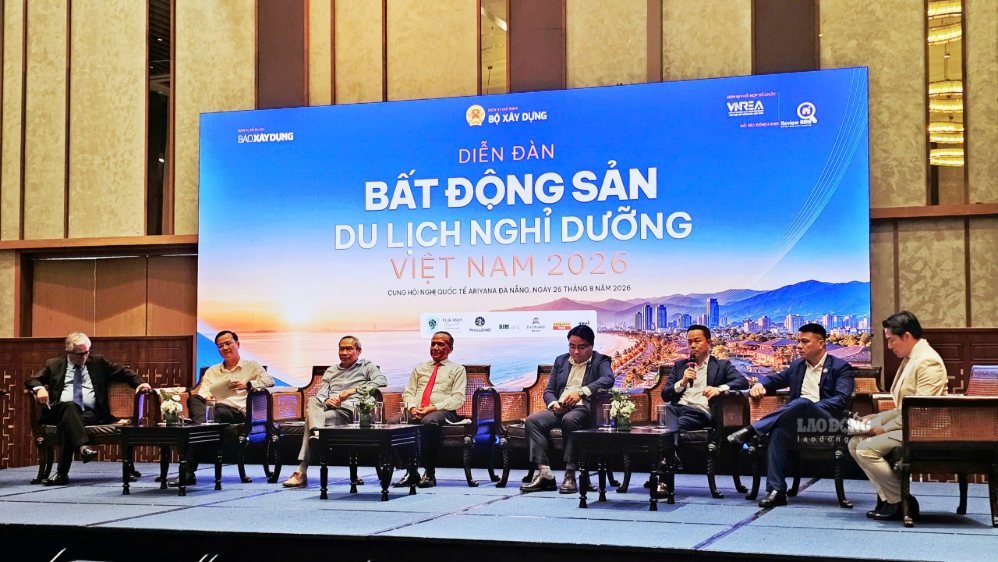
Sharing the same view, Mr. Pham Quang Vinh - former Deputy Minister of Foreign Affairs - said that the global trend is shifting to green resort models, integrating many services and capable of creating long-term cash flow. Investors need to change their thinking from "build for sale" to "build for operation and care", focusing on service quality, international standards and customer experience.
Experts believe that, with advantages in tourism, infrastructure and policy completion, Vietnam's resort real estate is facing the opportunity to open a new development cycle. However, the market can only develop sustainably when true value, transparency and exploitation efficiency become top standards.


