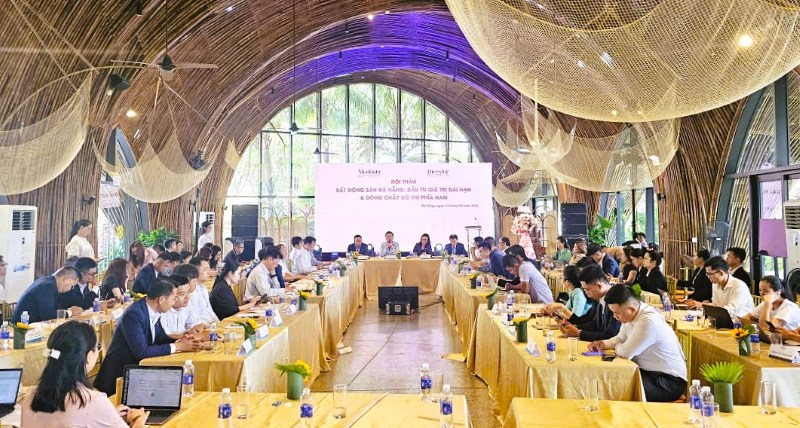
On the morning of May 13, Investor Magazine organized a seminar "Da Nang Real Estate: Long-term Value Investment & Southern Urban Flow" at Casamia Calm, Hoi An Bac Ward, Da Nang City.
The program has the participation of leaders of the Da Nang City People's Council, departments, economic experts, planning experts, businesses and investors, focusing on two major topics: Da Nang urban planning from Resolution No. 06/NQ-Da Nang City People's Council on "Adjusting the planning of Da Nang City for the period 2021-2030, vision to 2050" and opening the Da Nang - Hoi An - Dien Ban urban axis.
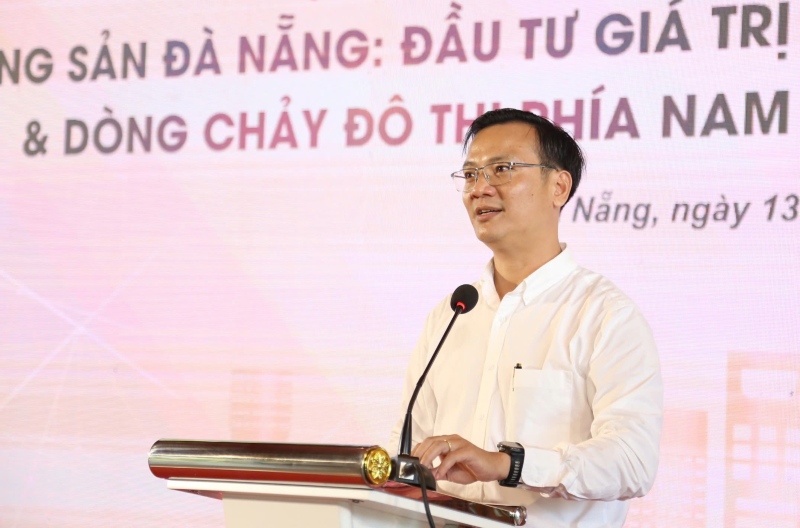
Speaking at the opening, Mr. Pham Duc Son - Editor-in-Chief of Nha Dau Tu Magazine - emphasized that Resolution No. 06 is an important milestone, opening up a new development space for the city.
According to Mr. Son, Da Nang is aiming for the role of a major socio-economic center of the country and Southeast Asia; a center of innovation, international finance, logistics, high technology and regional-class tourism.
A noteworthy point is that the new plan not only talks about expanding boundaries or developing more projects, but also sets requirements for restructuring the urban space according to the multi-center urban chain model. In which, the Da Nang - Dien Ban - Hoi An axis and the Southern Hoi An area are identified as one of the strategic development spaces of the entire region.
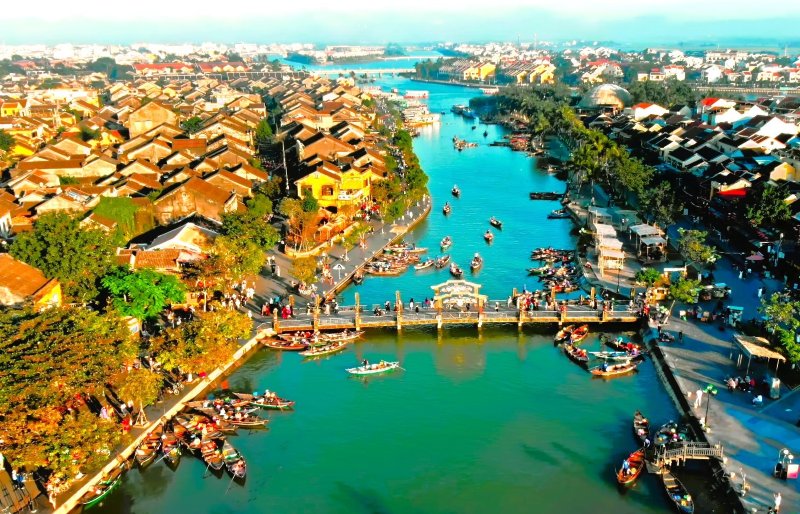
According to Mr. Pham Duc Son, Da Nang's real estate market after the restructuring and purification phase is recovering in a more substantive direction. Investment capital is no longer mainly chasing after surfing waves, but shifting to areas with clear planning foundations, synchronous connecting infrastructure and long-term growth potential. This is also the foundation of the trend of "central urban decompression" towards South Da Nang and South Hoi An.
From a planning perspective, Mr. Le Van Tuan - Deputy Director of Da Nang Department of Construction - believes that the Southern region plays a particularly important role in the new development structure. This is not only a space connecting Da Nang center with Dien Ban, Hoi An, Chu Lai, but also a corridor converging new drivers such as seaports, logistics, high-tech industry, urban areas, eco-tourism, strategic transport infrastructure and new urban areas.
This assessment shows that Da Nang's problem is no longer limited to expanding the urban space horizontally. The core issue is to reorganize the development flow: population flow, infrastructure flow, service flow and capital flow. When the core central area is under pressure on density, land fund and costs, the South becomes a strategic buffer zone for the city to both expand population and create new growth poles.
According to the Da Nang Department of Construction, the Southern region has great infrastructure advantages when converging the North-South expressway, National Highway 1, coastal route, seaport - logistics, along with the development orientation of urban railways and urban expressways in the future. The city also orients urban development according to the TOD model, linking urban spaces with future railway stations, metro stations and major traffic hubs to limit urban sprawl and improve land use efficiency.
The Southern space is also seen as a place that integrates many layers of value: coastal urban areas, riverside urban areas, tourism, services, creative economy and ecological living space. This is an important difference compared to previous real estate development cycles, which tended to be individual products or short-term exploitation.
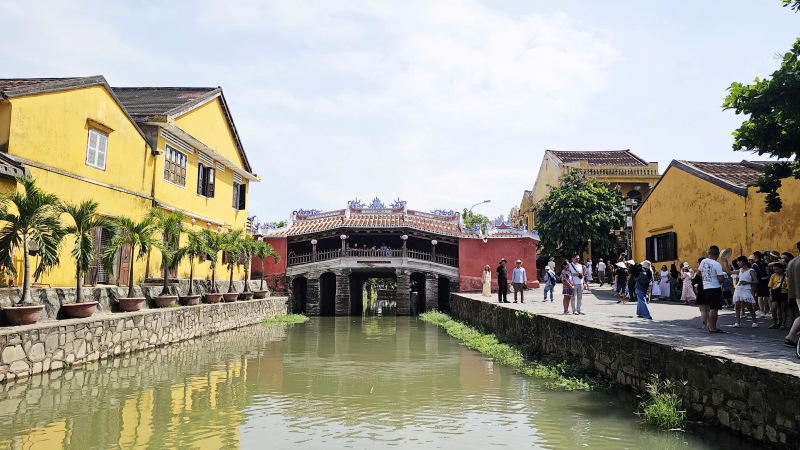
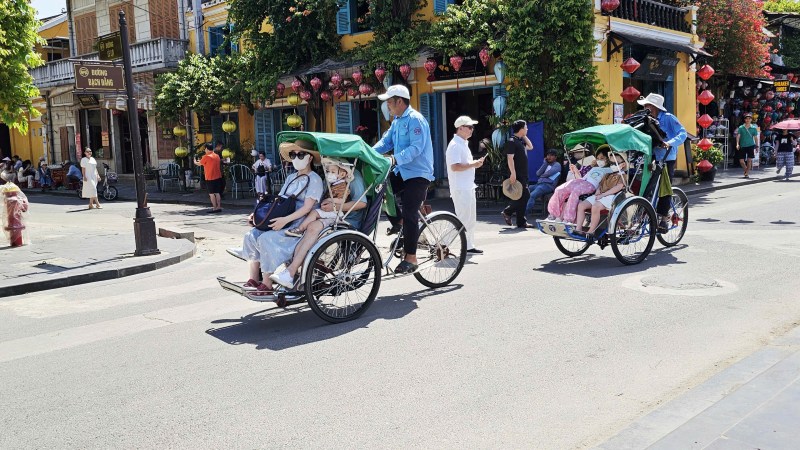
Another notable move is that real estate demand is shifting from "short-term resorts" to "real living". Hoi An is not only a tourist destination, but is gradually becoming a long-term accommodation for foreign experts, remote workers, international communities and groups of residents seeking a balanced living environment. This poses a new requirement for real estate developers: not only selling products, but also building a living ecosystem, community of residents and long-term operational capacity.