
New supply simultaneously "goes out
Right from the beginning of the year, many social housing projects in the capital have announced sales plans. In the Northern region, the CT2 project in Kim Hoa urban housing area has begun to receive purchase registrations at a temporary price of about 19.8 million VND/m2 (including VAT, excluding maintenance fees). With this price level, apartments with common areas of 60-70m2 have a total price from more than 1.2 billion VND/unit, becoming a rare choice in the context that commercial apartment prices are still high.
At Ha Dinh new urban area, the NOXH project is expected to receive applications to buy apartments in the first quarter of 2026, the unit price is temporarily estimated at about 25 million VND/m2. This price brings the 70m2 apartment to about 1.75 billion VND, approaching the payment threshold for young families with medium and low incomes in the inner city.
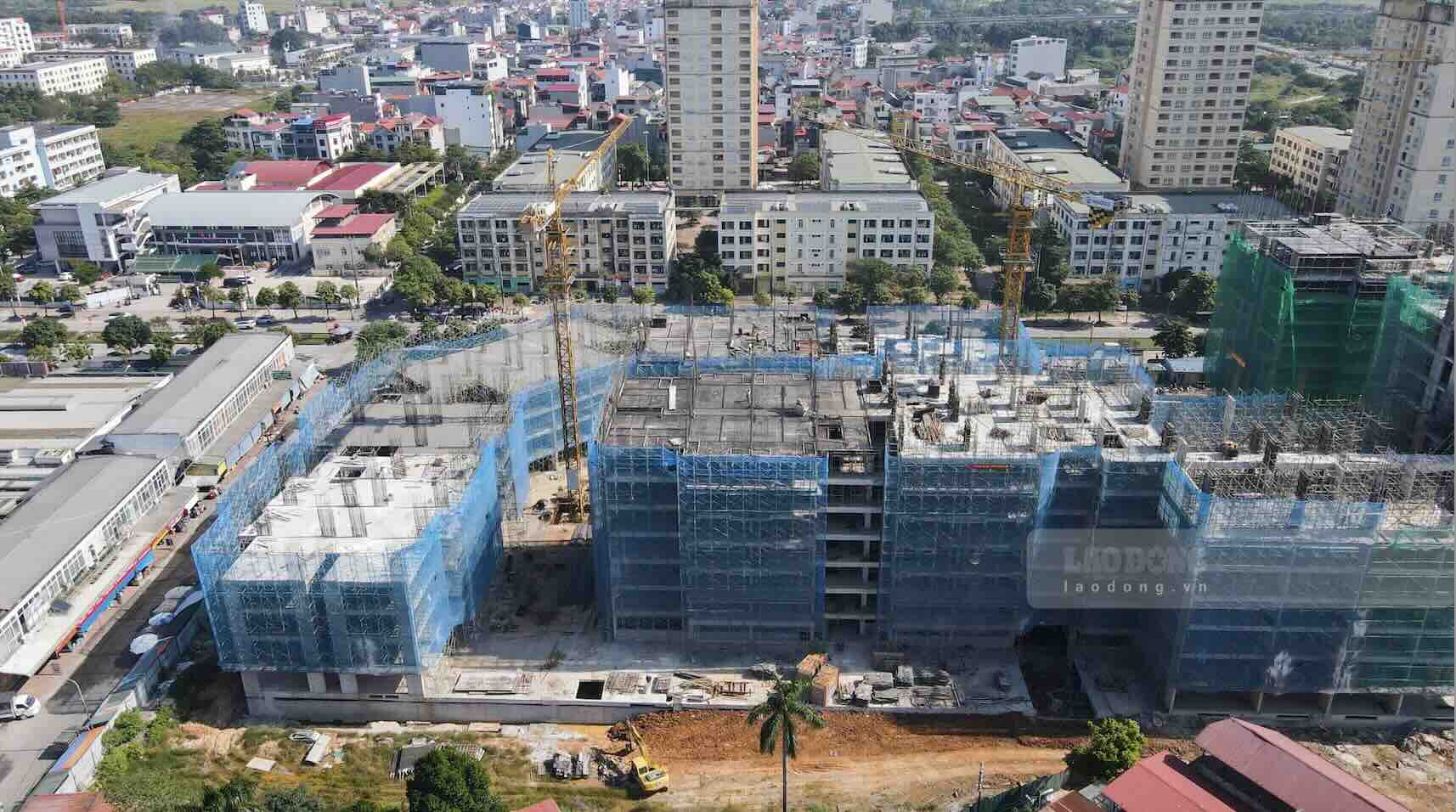
Meanwhile, Tan Lap social housing area is expected to open for application submission from the beginning of May, with a selling price of about 29 million VND/m2 (excluding taxes, fees and maintenance costs). The investor also announced a temporary rental price of 430,000 VND/m2/month, opening up more housing access options for workers who do not yet have enough conditions to buy.
In the south of the city, the social housing project at land plot code 1 (Ngoc Hoi) offers an expected price of about 24.7 million VND/m2 (including VAT). Apartments with areas of 40-59m2 have a total price ranging from about 988 million VND to more than 1.4 billion VND, considered the lowest price range currently on the primary social housing market in Hanoi.
Procedures to enter the "green channel", Hanoi sets big goals
Not only stopping at a few individual projects, Hanoi is promoting a large-scale social housing development strategy. Hanoi City People's Committee issued Plan No. 60 with the goal of completing 120,000 social housing units in the 2026-2030 period. According to a review by the Department of Construction, the city is expected to deploy 148 projects on a land fund of about 568ha, providing more than 135,000 apartments - higher than the minimum target to be proactive in progress.
Notably, social housing projects are included in the "green channel, priority channel" group, allowing the parallel implementation of many procedures related to investment, land, planning, construction and environment. The goal is to cut at least 50% of the time and cost of implementing administrative procedures, which was once a "bottleneck" causing many projects to be behind schedule.
In parallel with that, Hanoi continues to coordinate in developing housing for the armed forces, with a total demand of about 62,800 units, supplementing the city's common social housing fund. Accumulated to 2035, the Capital aims to complete about 500,000 social housing units, an unprecedented scale.
Spreading impact on the market
According to experts, the acceleration of social housing not only solves the problem of housing security but also contributes to rebalancing the market structure. When the supply of affordable housing is improved, pressure on the commercial apartment segment may be reduced, limiting chain price increases due to product scarcity.
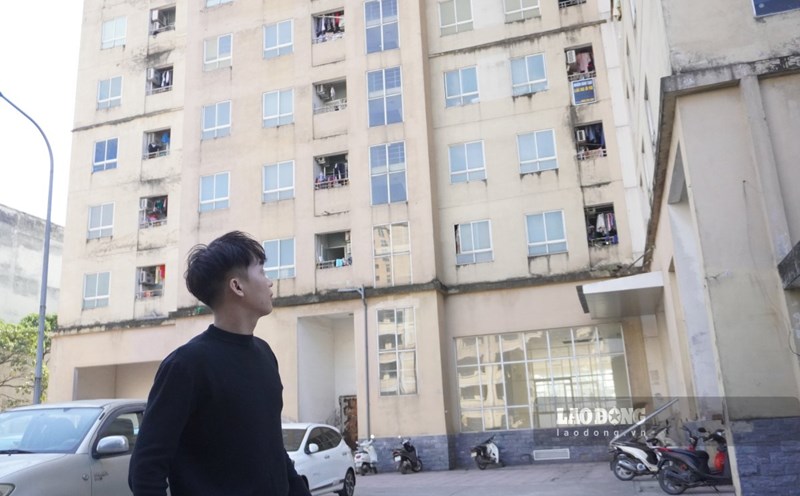
From a macro perspective, the construction industry nationwide is aiming to complete about 1 million social housing units by 2030. The progress in recent years shows clear improvement, with hundreds of projects completed, under construction or approved for investment policy. Along with that, preferential credit packages for social housing and worker housing continue to be promoted for disbursement, including policies to support young people under 35 years old.
Although the social housing price level is still significantly lower than commercial apartments, the slight increase trend in some new projects reflects increasingly limited input costs and land funds. This poses a requirement to strictly control buyers, avoiding the situation of taking advantage of policies for speculation and illegal transfers.
In that context, observers believe that the "new wave" of the Hanoi market, if formed, will have a different nuance compared to previous cycles: led by real housing demand, instead of short-term price increase expectations. When procedures are shortened, supply is "mainstreamed", the social housing segment is likely to become a stable pillar of the market in the coming years.
Looking at the reality of implementation, the return of a series of NOXH projects with prices of 19.8-29 million VND/m2 is opening up a clearer door for low and middle-income people.


