
Having rented a house near the Ho Thi Ky flower market area (Vuon Lai ward), Ms. Nguyen Lam Ngoc said that she encountered many troubles when the contract ended. According to her, although the lease term was still valid, the homeowner suddenly proposed to increase the price from 5 million to 6 million VND/month. Disagreeing with this increase, she decided to move out, but was later kept the deposit with many non-transparent deductions.
Because I didn't have much experience when signing a house rental contract, the initial agreements were quite rudimentary, many important clauses were not clearly stated. The homeowner then arbitrarily collected additional fees such as depreciation fees and expenses not included in the contract to deduct from the deposit. When a dispute occurred, the tenants had to accept losing the deposit," Ms. Lam Ngoc shared.
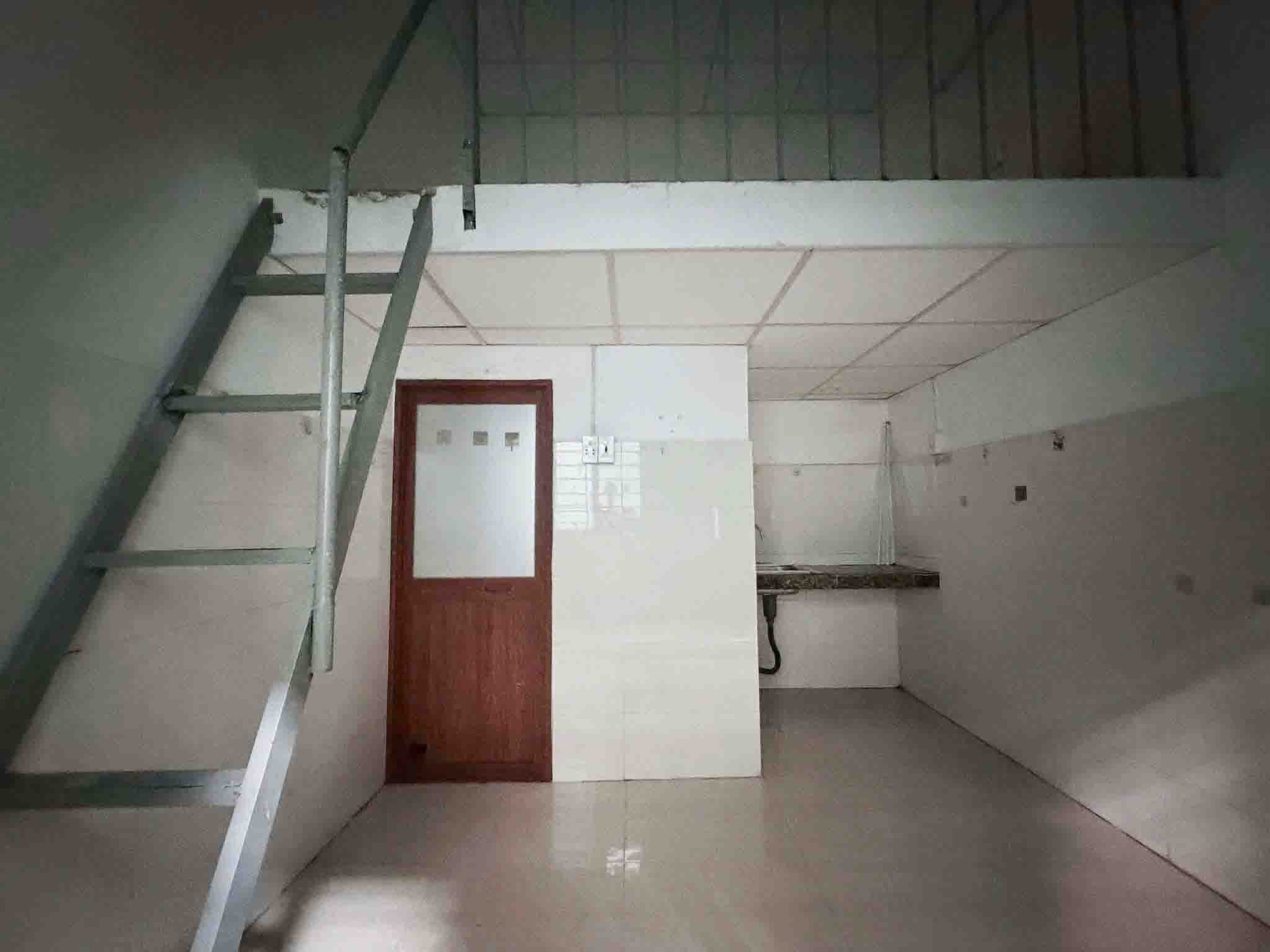
In addition, the issue of safety in boarding houses also worries many people. Ms. Pham Thuy Linh - a worker working in Nha Be commune - said that she used to live in a degraded row of boarding houses, with a dense electrical system and no clear escape routes.
“Theft often occurs at night, and the risk of fire and explosion is always present. Local authorities regularly remind and fine them, but the homeowner only remedies and copes,” Ms. Linh said.
Other issues such as landlords charging higher electricity and water bills than regulations, cutting services but not notifying in advance... are also quite common in many boarding house areas.
These inadequacies show that tenants, especially low-income workers, are still facing many risks when the rental market is not tightly controlled and lacks transparency.
On April 22, in an exchange with Lao Dong Newspaper, lawyer Truong Van Tuan - Trang Sai Gon Law Office, Ho Chi Minh City Bar Association - said that in case the homeowner arbitrarily increases the rent when the contract is still valid, the lessee has the full right to refuse, because the lessor has violated the agreement if the contract does not stipulate price adjustment during the lease process.
Based on Article 170 of the 2023 Housing Law, the law only allows adjusting rental prices when there is housing renovation, with the leaseholder's consent, and the remaining lease term does not exceed one-third of the contract term. Therefore, arbitrarily increasing prices when the contract is still valid, not covered by law and without the leaseholder's consent, is contrary to regulations.
To protect their rights, tenants should respond in writing or text messages confirming their disagreement with the price increase, and continue to pay the rent at the old level to the agreed account to avoid being considered a breach of obligation. If the homeowner still puts pressure, the tenant has the right to unilaterally terminate the contract even if it is still valid without being considered a violation.
In addition, if the contract stipulates that the price can only be changed when re-signing the contract, but the homeowner still arbitrarily increases the price before the deadline, there are signs of violating obligations. At that time, the lessee has the right to unilaterally terminate the contract and request compensation for damages according to Article 428 of the 2015 Civil Code on "unilateral termination of contract performance".
Regarding unclear deductions for deposits, this is a common dispute when the contract ends. Deposits are a measure to ensure the performance of the lessee's obligations and will be reimbursed after deducting compensation costs (if any). However, deductions must originate from the actual fault of the lessee or agreed obligations, and must be evidenced by images, repair invoices or compared with the original contract.
If the contract does not clearly stipulate the fees, the lessee has the right to request the homeowner to explain and provide evidence. Dispute resolution should begin with goodwill negotiation; if no agreement is reached, the lessee can sue at the competent People's Court to protect his rights.


