Workers need suitable projects with low interest rates
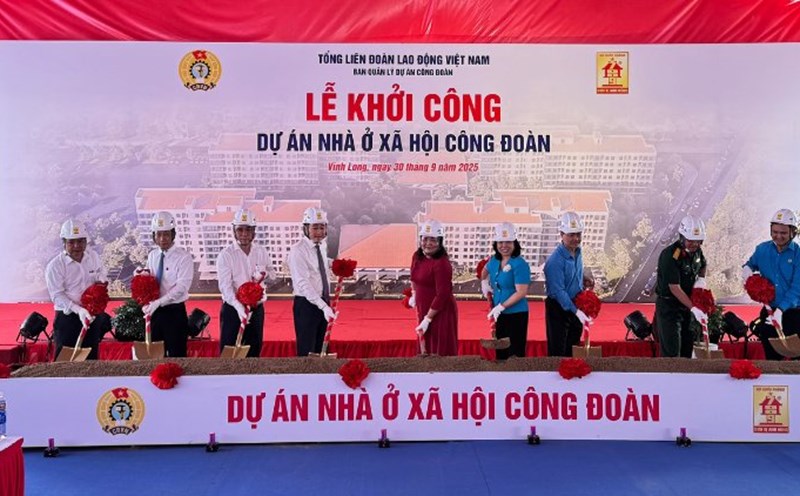
Social housing is an urgent need for many workers in Vinh Long, especially workers renting accommodation near industrial parks. After work, they return to cramped rentals, high costs but still have difficulty accessing social housing because the price and loan conditions are beyond their ability.
Ms. Nguyen Thi Thu, a textile and garment worker in Hoa Phu Industrial Park, said that her family of 3 has been renting a room for more than 10 years.
"Average income per person is from 8 - 9 million VND/month, so I only dare to think about social housing if the loan interest rate is stable, long-term and the procedures are not too complicated. I just hope to have a fixed place to live to take care of my child's education," said Ms. Thu.
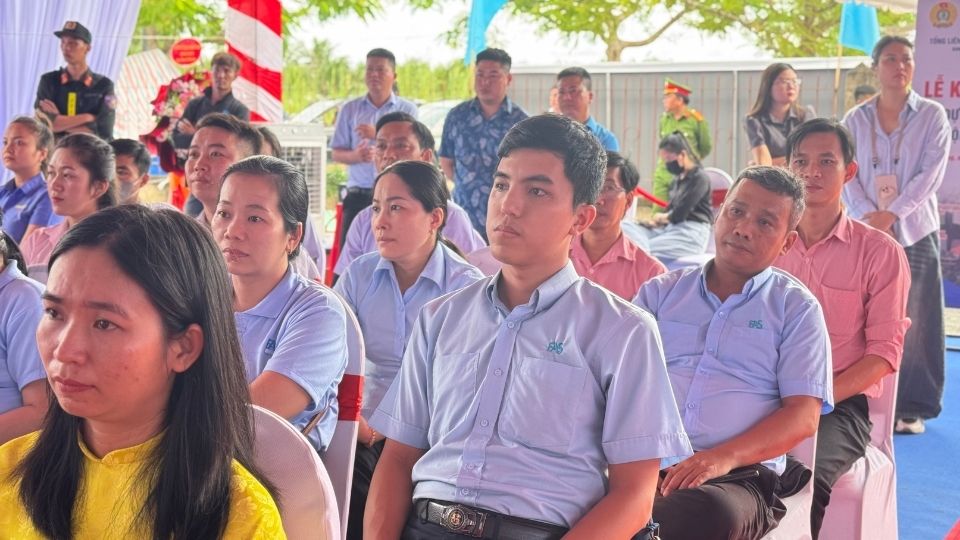
Meanwhile, Mr. Tran Minh Hai, an seafood processing worker, shared his hope that the province will have more credit support policies for young workers to boldly buy houses.
According to him, workers have difficulty accessing projects when prices increase rapidly, while living expenses are getting higher and higher. "If there is a low interest rate loan package, installment payment according to a stable period, my family is willing to buy. The most important thing is the appropriate price and procedures support, he said.
Many workers believe that in addition to prices and interest rates, social housing needs to have adequate infrastructure such as schools, roads, and living areas. They hope that the project will not only have "residences" but also be a real place to live, contributing to retaining workers and stabilizing resources for businesses.
Adjusting targets close to demand
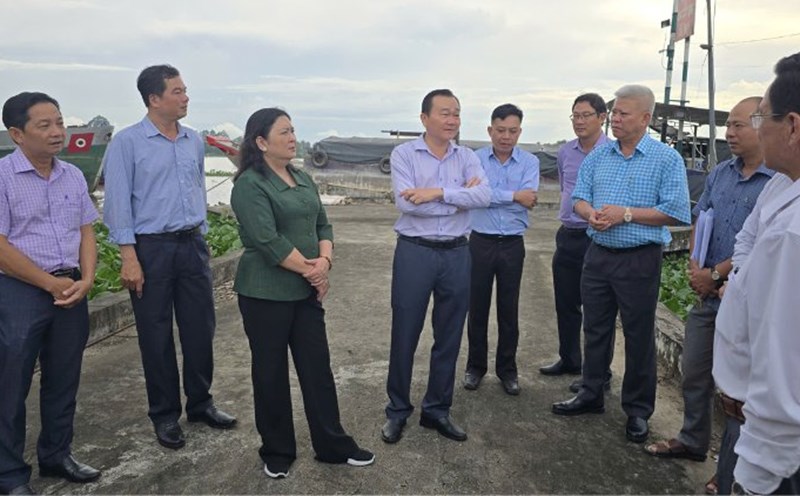
The People's Committee of Vinh Long province proposed to reduce the social housing target by 2030 from 38,500 to 23,500 units. The reduction of 15,000 units is assessed to be more suitable for the urbanization rate, the needs of each area and the province's ability to mobilize resources.
Mr. Nguyen Van Chinh, Permanent Vice Chairman of Vinh Long Provincial People's Committee, said that the old quota was allocated according to the regional orientation but was not close to reality.
After reviewing the needs, land funds and progress of the projects, the province proposed to adjust to avoid spreading, while focusing on investing in projects that are truly feasible and suitable for people's wishes, Mr. Chinh emphasized.
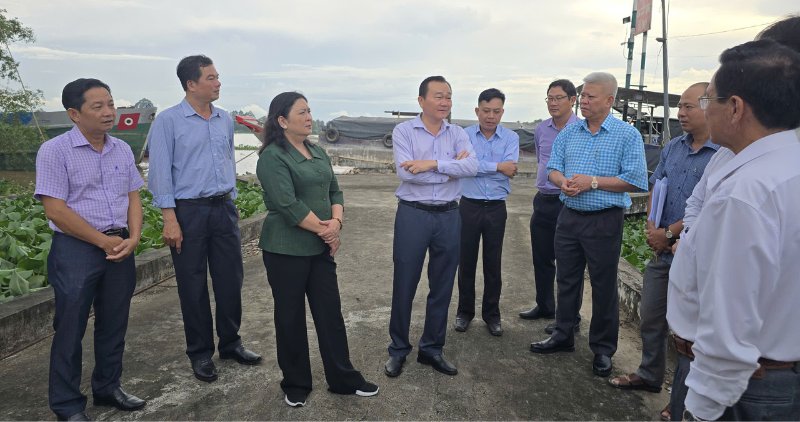
Currently, the province has allocated more than 154 hectares of land for social housing development, of which 10 plots of land (35.2 hectares) have been allocated to investors with a total expected scale of nearly 5,700 apartments. Some projects have completed more than 1,100 units, the rest are continuing to be implemented to increase supply in the period of 2025-2030.
Adjusting the target is not to narrow the scale but to " tighten to be more effective". The demand for social housing in the central area and near industrial parks is still high, but some areas that were once expected to develop now no longer have the same demand as before.
"With the new orientation, the province is speeding up the project progress, ensuring reasonable and transparent prices, helping low-income groups, young workers and cadres access housing, while stabilizing labor and social security," Mr. Chinh added.