
In order to thoroughly grasp Resolution No. 80-NQ/TW of the Politburo on the development of Vietnamese culture, the Lao Cai Provincial Labor Federation has issued a plan to propagate and implement with the goal of creating a clear change in the awareness and actions of union members and workers.
Accordingly, the trade union organization identifies culture not only as a spiritual foundation but also as an "endogenetic resource", playing a regulatory role for rapid and sustainable development.
In the context of digital transformation and integration, building Lao Cai people with values of "Solidarity - Patriotism - Discipline - Civilization - Hospitality" is posed as an urgent requirement.
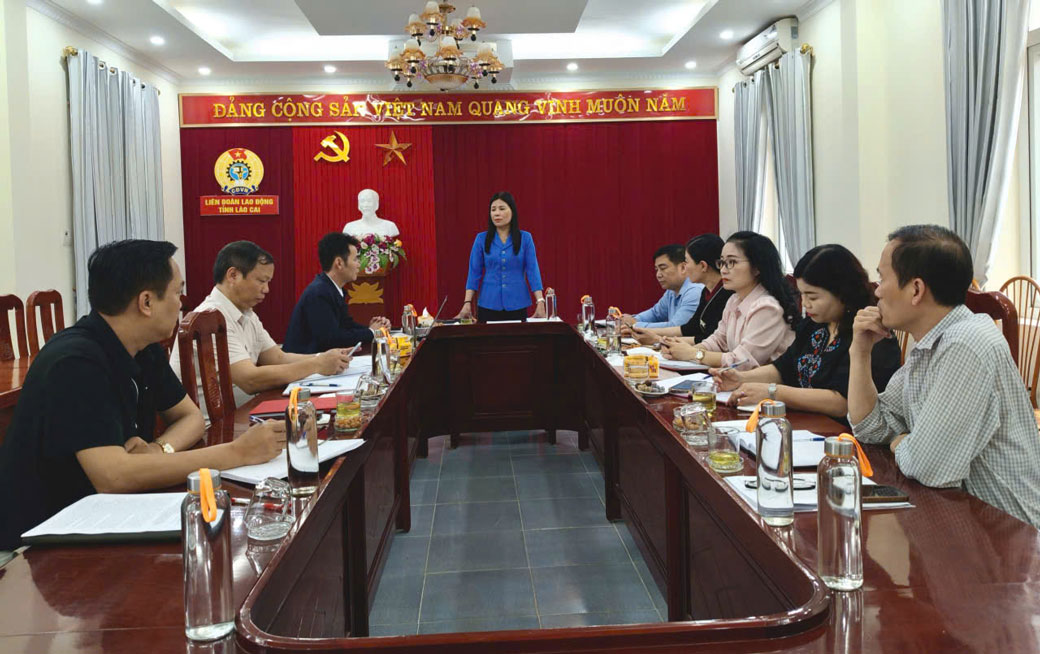
The plan also emphasizes the spread of the meaning of Vietnam Culture Day (November 24), thereby creating conditions for union members and workers to enjoy spiritual life, and at the same time encouraging the promotion of creativity in labor, production and cultural and artistic activities.
To concretize the Resolution, the Lao Cai Provincial Labor Federation requests trade union levels to focus on implementing 8 key task groups, associated with local characteristics.
In which, the highlight is the connection of the implementation of the Resolution with Project No. 14 of the Lao Cai Provincial Party Committee on preserving and promoting cultural identity; improving the spiritual life of workers in industrial zones and clusters; promoting the effectiveness of cultural and sports facilities serving union members.
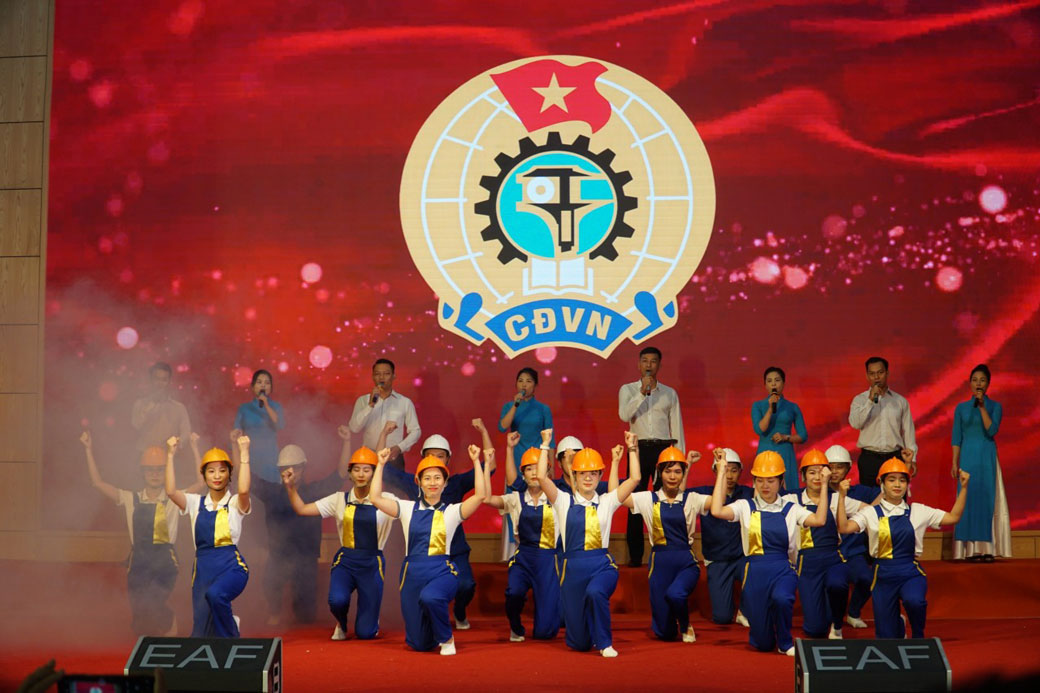
The new point of the plan is the requirement to strongly innovate propaganda methods. Besides traditional forms, the trade union will promote the application of digital platforms, spread good models, effective ways of doing things, and promptly commend typical collectives and individuals in the movement to build a cultural life.
Through this, the Lao Cai Provincial Labor Federation expects to arouse the aspiration to contribute, build trust, and contribute to building a strong working class, meeting the development requirements of the locality in the new period.


