
Many types of harassment, trapping online
Over the past time, the context of job reductions and layoffs has caused many workers financial difficulties. Taking advantage of this, usury has reappeared with increasingly sophisticated tricks, causing serious consequences to people's lives, especially workers. Faced with the above situation, Ho Chi Minh City has synchronously implemented solutions from cracking down on "black credit" crimes, removing illegal advertisements of "tower banks" to strengthening credit support, helping workers easily access clean capital sources.
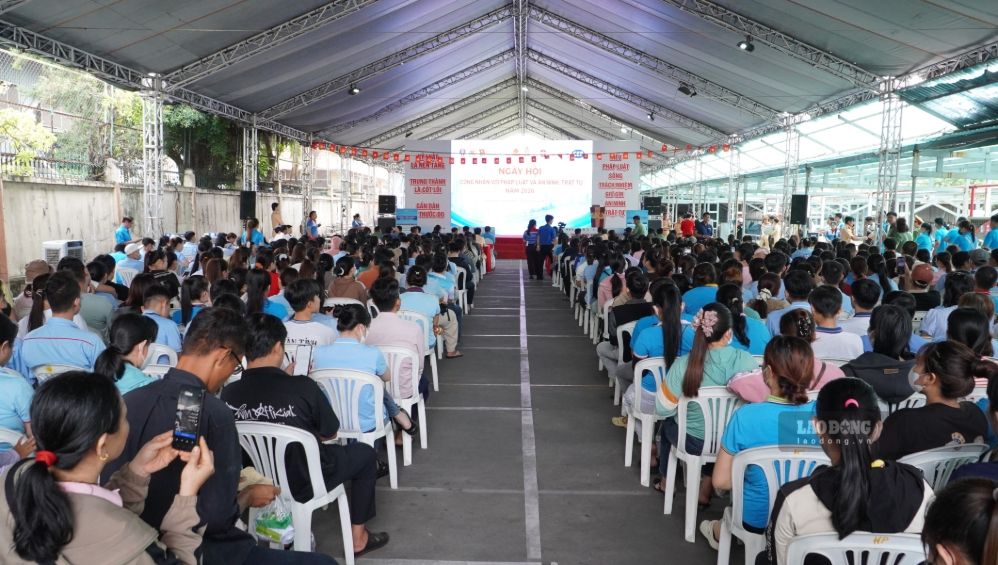
Reality shows that the tricks of fraudsters today are very diverse. About a month ago, Ms. N.H (resident of Thu Duc ward) accidentally clicked on a strange link via SMS message to verify her bank account. After following the instructions, she realized that it was a fake website that had collected her contacts, photos and account information.
From that day on, a stranger texted me asking me to transfer money, otherwise they would contact my contact list or cut and paste images to cause trouble. Many of my friends were alsofriended on zalo to be asked to notify me to pay the debt, but in fact I did not borrow at all," Ms. H confided. Ms. H then reported the incident to the authorities.
Besides the trick of impersonation, lending through mobile applications and social networks also urgently approaches groups of workers in urgent need of money with advertisements of simple procedures, no collateral. When borrowers are late in paying, the subjects use many ways to threaten, contact relatives, colleagues and workplaces to force debt repayment. This situation even causes officials at some businesses in the Binh Duong area to be constantly harassed because workers borrow money.
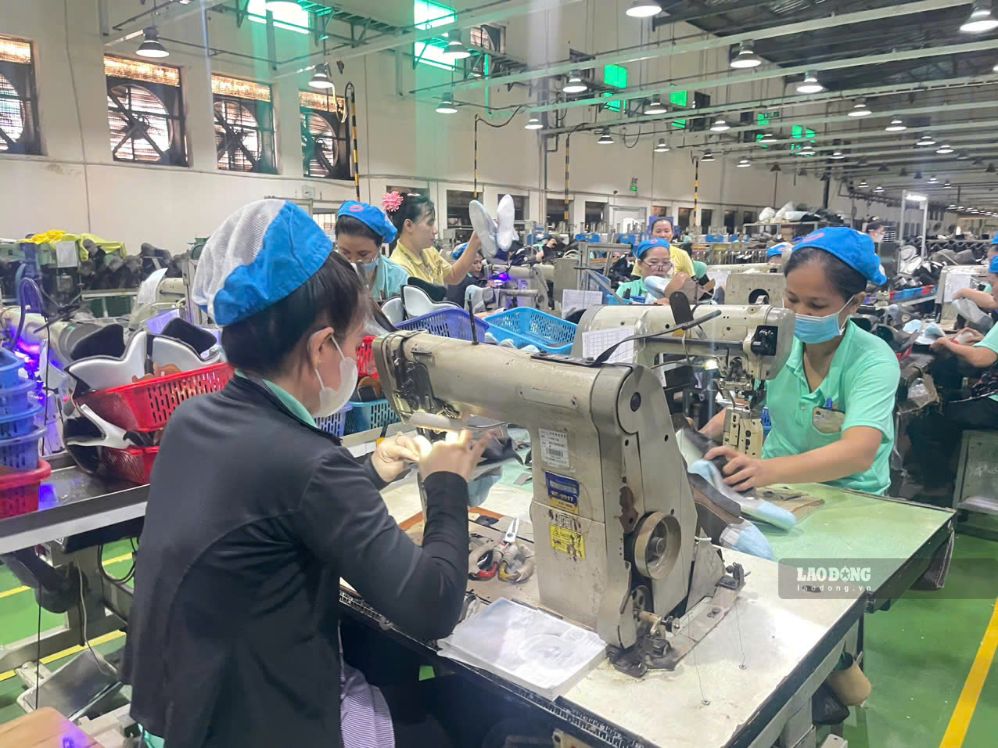
Sharing about this situation, Mr. Nguyen Minh Tien, Chairman of the grassroots Trade Union of Thong Dung Shoe Co., Ltd. (an enterprise with thousands of workers in An Phu ward, Ho Chi Minh City) said that the debt collectors also put direct pressure on trade union officials. Mr. Tien himself was continuously called and called by the phone requesting the trade union to intervene and force worker N.H. V to pay the debt of 70 million VND. However, through verification, Mr. V affirmed that he borrowed high interest money online 3 years ago but has paid off the debt. However, the subjects continue to call and harass both workers and trade union officials.
Faced with transformed fraud traps such as impersonating electricity workers calling to request customer code updates, or impersonating network operators and schools to send links containing malware to appropriate bank accounts, the Trade Union of Thong Dung Footwear Co., Ltd. has regularly issued warnings and guided employees to raise their vigilance.
Bringing reputable loan capital directly to boarding houses
Ms. Tran Thi Thu Tram, Vice Chairwoman of Tan Hung Ward Trade Union (HCMC) said that in residential areas with many workers renting rooms, the demand for borrowing capital to solve unexpected expenses is very large. Due to unstable income and fear of complicated procedures of formal channels, many people have turned to black credit.
Workers themselves are still reluctant to apply because they are afraid of wasting time, and black credit only needs a CCCD to borrow immediately," Ms. Tram shared.

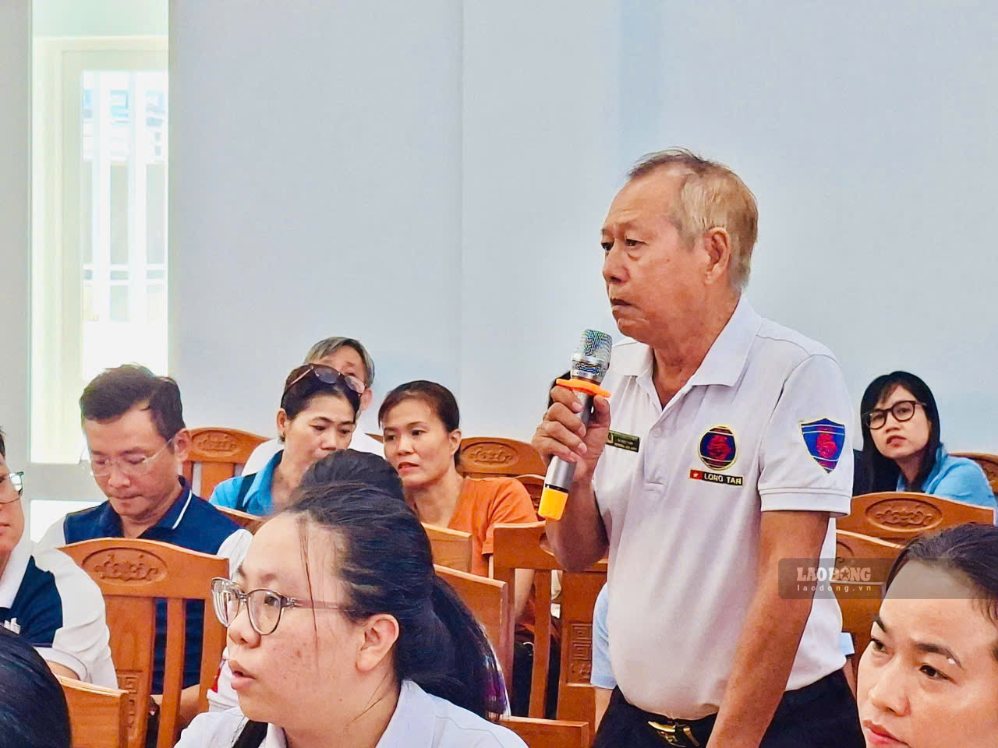
Identifying this bottleneck, the Tan Hung Ward Trade Union determined that prevention must be implemented early, bringing information about safe capital sources to workers' homes. The unit has deployed a capital consulting point at the boarding house area, coordinating with the Social Policy Bank and the CEP Fund; implementing the "one set of dossiers - one focal point for guidance"; promoting the neighborhood savings and loan groups and consulting through the Mini Trade Union Digital App on the Ho Chi Minh City Digital Citizen application.
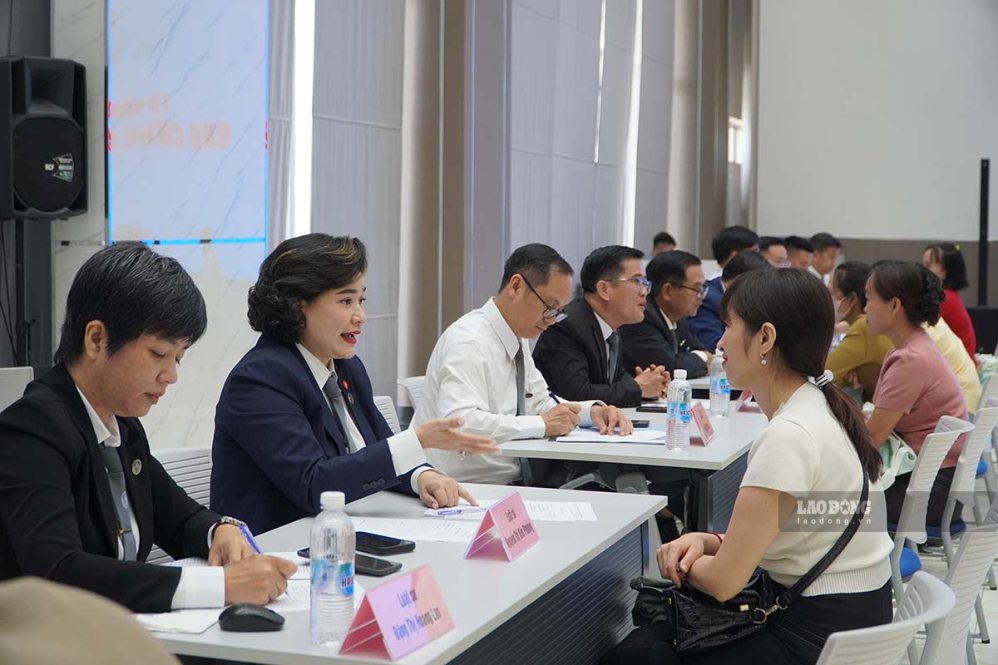
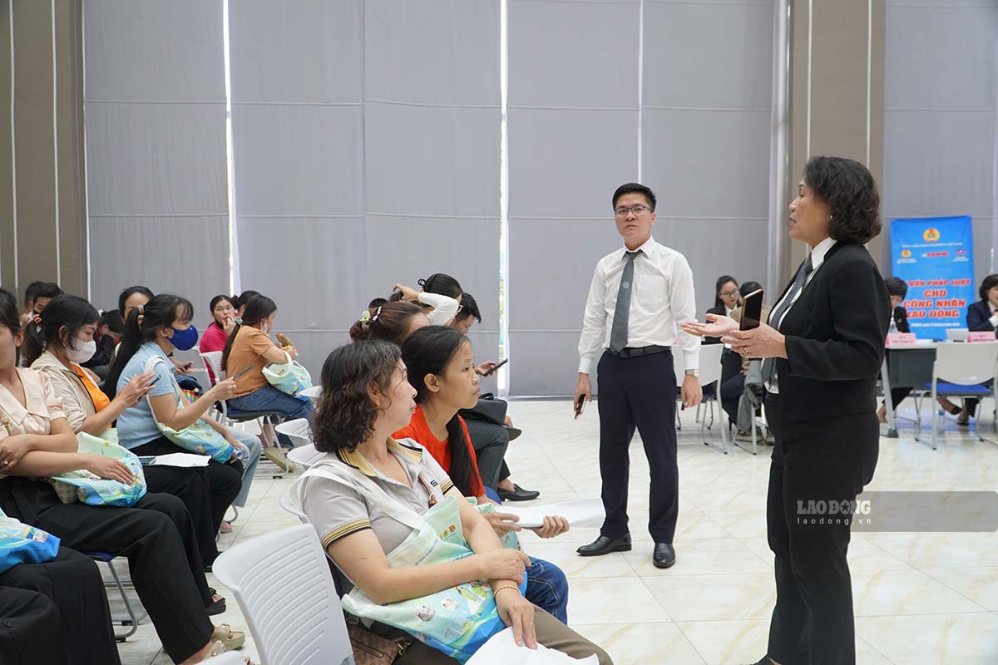
The locality is gradually completing the model "Workers' Boarding Houses without black credit - Workers have safe access to capital" based on four groups of solutions: identifying tricks, preventing bad and toxic advertising, receiving support when workers are threatened, and connecting legal credit sources to completely replace black credit.


