
Mr. Dinh Dang Luyen - former trade union official of Thanh Hoa Provincial Labor Federation - said that after studying the draft Charter of the 14th Vietnam Trade Union, placed from the perspective of a trade union official with many years of practical experience, especially in the context that the trade union is facing strong innovation requirements in organization, digital transformation, new labor relations and developing a modern worker contingent, he believes that it is necessary to pay more attention to the issues of "stuck at the grassroots level, bottlenecks in practice".
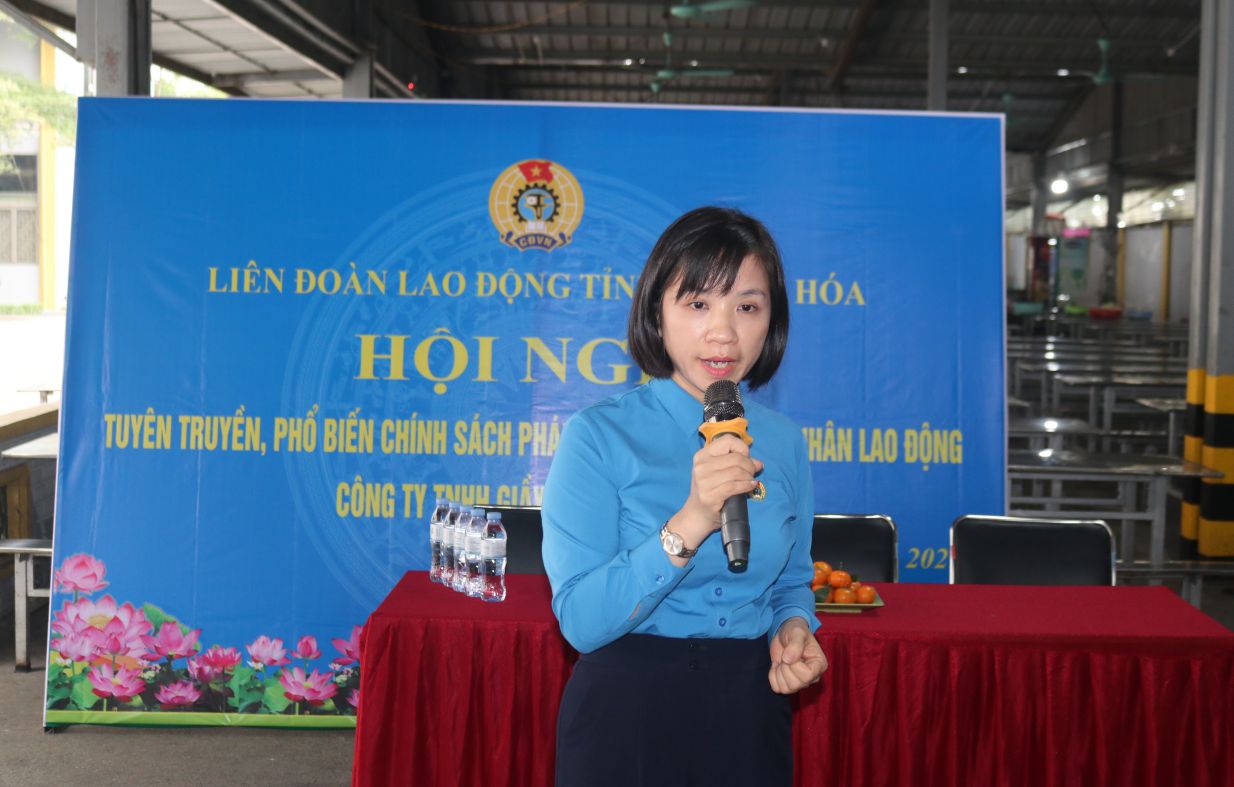
According to Mr. Luyen, it is necessary to supplement the mechanism of "regular listening" into the task of the grassroots trade union. The draft stipulates that the grassroots trade union has the task of collecting opinions and aspirations of union members and workers. However, the expression is still quite general. In fact, many workers' grievances do not arise in cycles, but occur daily with regular issues such as: Late salary; late payment of social insurance, meal allowances; housing; overtime; working conditions; management - worker conflicts... If waiting for periodic conferences or reflections at the administrative level, many small issues easily accumulate into major disputes.
From that reality, Mr. Luyen proposed to add the content: "The grassroots trade union is responsible for maintaining channels to receive, listen to and reflect opinions of union members and workers regularly through direct dialogue, digital platforms or appropriate forms".
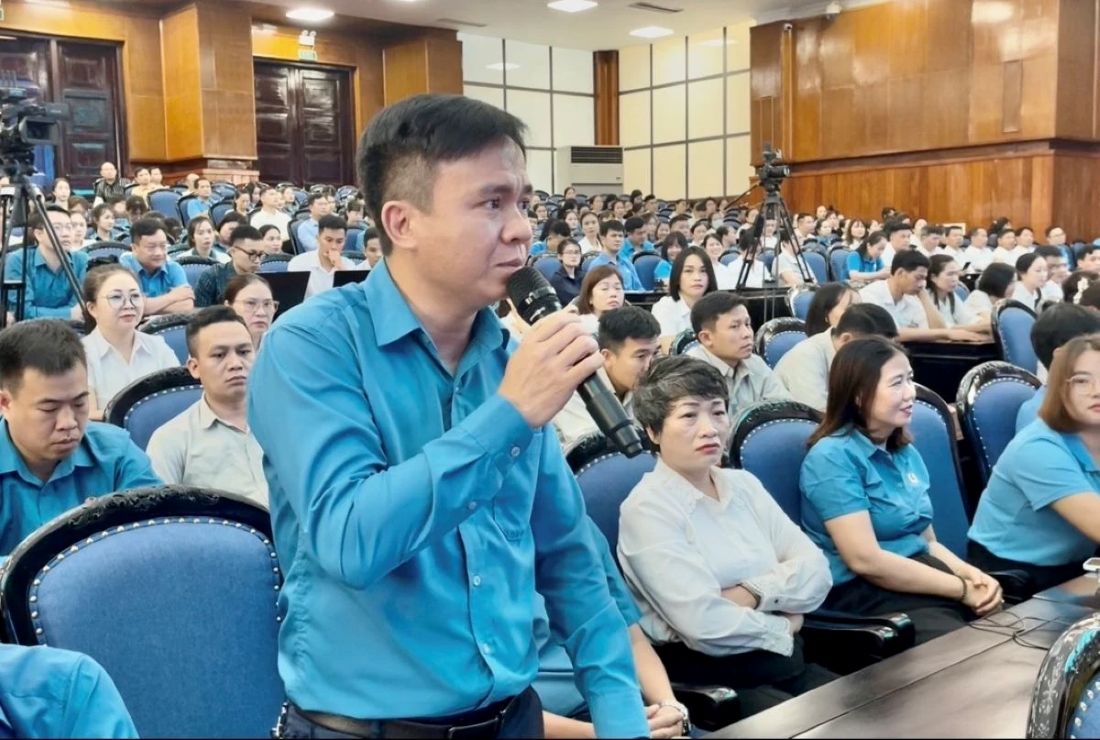
Mr. Nguyen Van Tron - Chairman of the Trade Union of Annora Vietnam Shoe Co., Ltd. said that it is necessary to supplement regulations clearly defining the responsibility for Party development among workers. According to him, in practice, the trade union is the place closest to workers, understands workers best, and discovers outstanding masses earliest, so it is proposed to supplement: "Trade unions at all levels are responsible for discovering, fostering, and creating an excellent source of union members among workers; proactively coordinating with Party organizations to build a pioneering worker force, creating a source of Party member development".
Mr. Tron said that this issue is particularly urgent in private enterprises and FDI. Without a strong mechanism, trade unions will find it difficult to promote their role as a bridge between workers and the Party.
Regarding the mechanism for protecting grassroots trade union officials, Ms. Nguyen Thi Ai - Trade Union of Sunjade Vietnam Co., Ltd. (Le Mon Industrial Park) said that after studying the Draft, according to her, the Draft states that trade union officials are protected when trade union activities are only principled regulations, but in practice, many grassroots trade union presidents are part-time, so they depend on businesses, under management pressure from businesses because businesses themselves are paying all or part of the salary to trade union officials, so there is a psychology of reluctance to fight. In fact, there are many cases where trade union officials protect workers but are then caused difficulties.
Therefore, Ms. Ai proposed to add that there should be a separate legal support mechanism; establish a fund to support trade union officials facing professional risks; there should be an emergency intervention procedure of the upper-level trade union because to protect workers, first of all, it is necessary to protect the representative of workers.
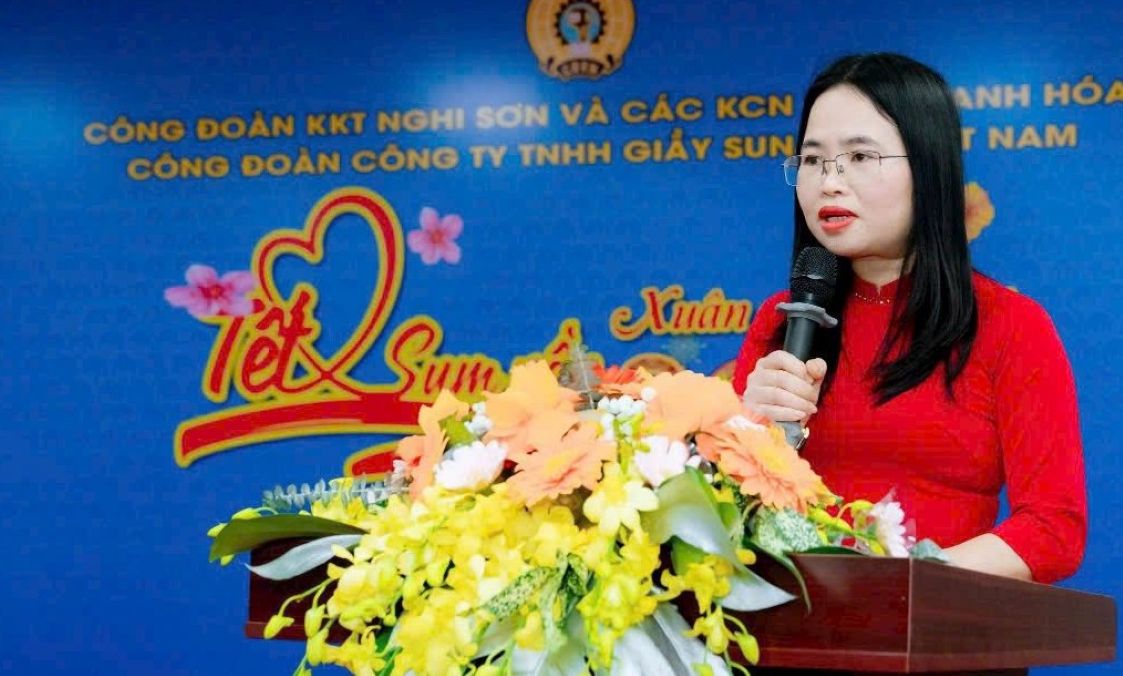
Ms. Ai also said that the Charter should have provisions on digital trade unions and digital union members. Although the Draft has initially mentioned electronic applications and digital trade union data, the approach is still technical.
It is proposed to add a separate content: "Trade unions at all levels build digital union member management systems, electronic records, and online interactive platforms to improve the quality of service for union members".
In the future, workers will not only participate in trade union activities through direct meetings but will also receive notifications, reflections and recommendations, receive support, register for welfare, and study... through the digital environment, therefore, the Charter needs to go one step ahead.


