
Room rent - the largest expense
For out-of-province workers, rent is always the first burden. A closed rented room with an area of 15–20m2 in suburban wards and communes currently has a common price of 3.5-4.5 million VND/month, not including electricity, water, and internet bills. In areas near the center, the rent is about 30% higher.
On average, rent costs account for about 30–40% of the total income of 10 million VND. For workers with families and young children, renting a larger house means that costs will increase sharply, forcing them to choose to live far from the center or accept cramped living conditions.
Ms. Le Thi Mai Anh, from Thanh Hoa, is an accountant at a company in Hoan Kiem ward, Hanoi. Ms. Mai Anh has a salary of 10 million VND/month. Having married and an 11-month-old child, Ms. Mai Anh said she has to "brace" to make ends meet.
My salary is 10 million VND/month, my husband's salary is 12 million VND/month. Fixed monthly expenses include: House rent 6 million VND; milk and diaper money for children about 2 million VND; family meal money 5 million VND; electricity and water money 1 million VND; gasoline and travel expenses for both husband and wife about 1 million VND. In addition to the above fixed expenses, there are many other things that arise, among which I am most afraid of my child being sick. Every time my child is sick, taking them to the doctor and getting medicine also costs millions of VND," Ms. Mai Anh said.
According to many workers, after rent, food expenses are expensive fixed expenses. If you cook yourself, a worker spends about 2–2.5 million VND/month on basic food. In case of large families with young children or frequent outings, this number can increase to 4-6 million VND.
To keep spending within control, my husband and I are forced to save as much as possible: bring rice to work, limit eating out, cut down on nutritious meals and mainly pay attention to our children's diet. This helps maintain the budget, but in the long run, it has a significant impact on health," Ms. Mai Anh added.
Also with a salary of 10 million VND/month, Mr. Doan Van Duc - a worker at a mechanical company in Ha Dong ward (Hanoi) also has to be frugal to make ends meet.
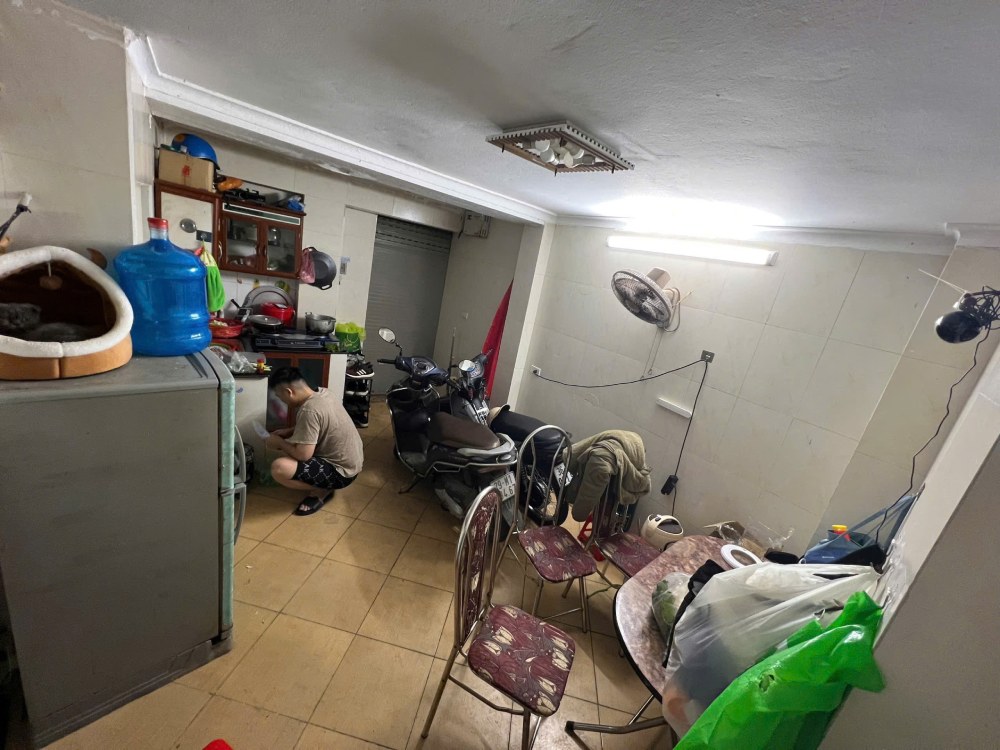
I get lunch at the company, dinner I don't cook but eat outside, on average 40,000-50,000 VND/meal, plus breakfast money, each month only meal money is about 2.5 million VND. Rent with friends, including electricity, water, internet is 2.5 million VND. Gasoline, phone 1 million VND. With the remaining 4 million VND, I try to save 1 million VND, and the rest is spent on other expenses such as sickness, funerals, going home, motorbike repairs...", Mr. Duc said.
10 million VND is still a "dream milestone"?
According to Mr. Vu Quang Thanh - Deputy Director of Hanoi Employment Service Center, although living costs are high, 10 million VND/month is still the income level that many workers desire in Hanoi. The reason stems from the fact that the popular salary level is still "nailed" at the average level. Many positions of unskilled workers, service workers, even workers with degrees but lacking skills, are only paid 6–8 million VND/month.
Achieving a salary milestone of 10 million VND/month is considered a significant improvement, helping workers "breathe easier", although it cannot be called living comfortably. This is also the reason why workers often do not dare to expect higher incomes, but choose a "just enough to live" level to maintain stable jobs," Mr. Thanh said.
Ms. Nguyen Thi Lan Huong - former Director of the Institute of Labor Science and Social Affairs said that with the current price level, 10 million VND/month is only enough for a single person to live frugally in Hanoi. This income level is difficult to meet the needs of improving the quality of life, long-term health care or accumulating for the future.
Without overtime, surplus income or support from family, workers are very likely to fall into the vortex of "doing - spending - running out", without financial support when encountering adversity. This explains why many workers, even with jobs, are still in a state of anxiety. The story of how to live on 10 million VND/month in Hanoi is not just a personal issue, but reflects a major problem of the urban labor market. When wages increase slower than living expenses, workers are forced to lower expectations, accept living frugally, and even sacrifice personal needs," Ms. Huong said.


