
Building harmonious, stable and progressive labor relations in enterprises
In the discussion section, Technical Doctor Le Dinh Luong - Vice Rector of Ho Chi Minh City University of Technology - informed that a survey in Ho Chi Minh City shows that the number of people with certificates and professional qualifications is currently quite modest. The majority only have high school diplomas or lower secondary school diplomas, and have never been through formal vocational training schools and classes.
Faced with the above situation, Mr. Luong proposed to continue developing the vocational education system towards high quality. It is necessary to focus on investing in a number of key national vocational education institutions to gradually build brands and affirm the position of vocational education in society.
Along with that, prioritize placing vocational training schools right in industrial parks where a large number of workers are concentrated; have incentive mechanisms for businesses to both produce and participate in vocational training; develop an online vocational training system with rich and lively content so that workers can learn anytime, anywhere and thereby form a lifelong learning habit.
Also in the discussion, Mr. Hoang Phuc Long - Chairman of the Vietnam - Russia Joint Venture Trade Union Vietsovpetro (VSP), Vietnam Oil and Gas Trade Union - said that the Party and Government are giving very drastic directions in implementing double-digit growth to complete the country's two 100-year strategic goals. To achieve double-digit growth, promoting labor productivity is a very important factor, and one of those methods is to organize emulation movements among workers.
Ms. Nguyen Thi Mai Chi - Chairwoman of the grassroots trade union of New Apparel Far Eastern Vietnam Co., Ltd., under the Dong Nai City Labor Federation - assessed that reality shows that the current salary of workers is not enough to live on.
There are families where both husband and wife are workers, or one worker and one are freelancers but are unstable and have precarious incomes. Therefore, when family events occur, they are completely passive, accumulating financial resources but not enough. They have to seek help from colleagues, trade unions or even borrow from black credit to solve urgent needs. "I wonder if in the process of working, workers always worry about the issue of food and clothing, then in the process of labor production, are they really assured to work safely, to be able to have creative initiatives to improve productivity and increase income?" - Ms. Chi shared.
From that reality, Ms. Chi proposed that the Government continue to study and improve the theoretical basis on the issue of salaries, especially the level of salary to live on for workers and their families. Along with that, continue to pay attention to investing and improving welfare policies for workers, especially social housing, kindergartens, schools, and entertainment facilities. Continue to pay attention to creating favorable conditions for grassroots trade union organizations to perform well their functions of representing, caring for, and protecting the legitimate and lawful rights and interests of union members and workers; thereby contributing to building harmonious, stable and progressive labor relations in enterprises.
Prioritize housing planning near industrial parks and export processing zones
Meanwhile, Ms. Nguyen Thi Thanh - Chairwoman of Ba Dinh Ward Trade Union, Hanoi City - shared that through practical trade union activities, when contacting workers, she realized that the issue that workers and laborers are most concerned about today is housing.
To meet specific housing needs for workers, Ms. Thanh proposed developing a variety of types and areas of rental and lease-purchase housing, suitable to the needs and affordability of workers, with most areas from 50 - 75m2. Along with that, prioritize planning housing near industrial parks and export processing zones, while ensuring synchronous infrastructure such as schools, kindergartens, healthcare, culture, sports, supermarkets, markets, and public transport connections. Have appropriate financial support mechanisms for workers to have the opportunity to access, lease-purchase or buy social housing at reasonable prices...
Ms. Tran Thi Chi - Chairwoman of the Trade Union of Newwings Co., Ltd., Bac Ninh Labor Federation - has opinions on proactive health care for workers, from Resolution 72 to practical actions.
Ms. Chi made 4 recommendations: Strengthen food safety control, especially around industrial parks to ensure health and daily meals for workers; promote the management of medicines and health-related functional foods; prevent and combat fake drugs; propose that the Government study and develop health care programs and mental health counseling right in industrial parks.
For female workers, it is proposed to increase the number of prenatal check-up visits from 5 to 9 times/pregnancy; propose that the Government encourage the development of mid-morning exercise programs to help reduce fatigue and create excitement for workers; propose that the Government reduce working hours to 44 hours/week.
Mr. Hoang Minh Son - Member of the Party Central Committee, Minister of Education and Training - agreed with the view that highly skilled human resources play a very important role in the socio-economic development of the country, especially in the coming time when implementing the double-digit growth target.
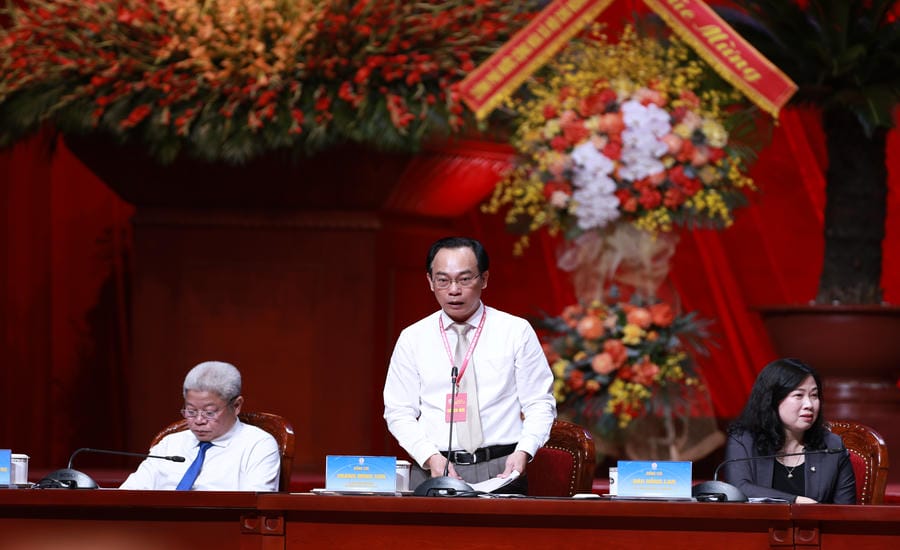
The Ministry of Education and Training is also implementing solutions to build a digital education platform, a digital governance platform, which includes components serving vocational training. At the same time, implement solutions to recognize the learning results and professional certificates of workers; build flexible training programs, both improving quality and individualizing according to the learner's level; support workers and those in need to access quality vocational skills education at an appropriate cost.
The Ministry of Education and Training is also building a software system and a platform to connect supply and demand between businesses and workers. On that basis, connecting colleges and universities to organize training to better meet the needs of learners and businesses.
In the coming time, the Ministry of Education and Training wishes the Trade Union organization to continue to closely coordinate with the education sector to grasp and promptly reflect the skill needs of the labor market, especially digital skills and green skills, helping training institutions build programs close to reality. At the same time, mobilize and encourage trade union members and workers to actively study, improve their skills, self-train right at work; accompany, protect the rights and support social security for workers in the process of retraining and career change.
According to Mr. Tran Hong Minh - Member of the Party Central Committee, Minister of Construction, long-term rental housing is a basic, fundamental, and long-term strategy. Offering this segment for development in the coming time to meet the needs of all subjects of people, workers, civil servants, and laborers. How to shift from the model and thinking of buying a house to own to renting a long-term house, to ensure that all subjects have housing at prices suitable for market economy orientation and state management. This depends on land prices, land use purpose conversion fees, taxes, credit incentives and these contents, there are currently specific mechanisms and policies.
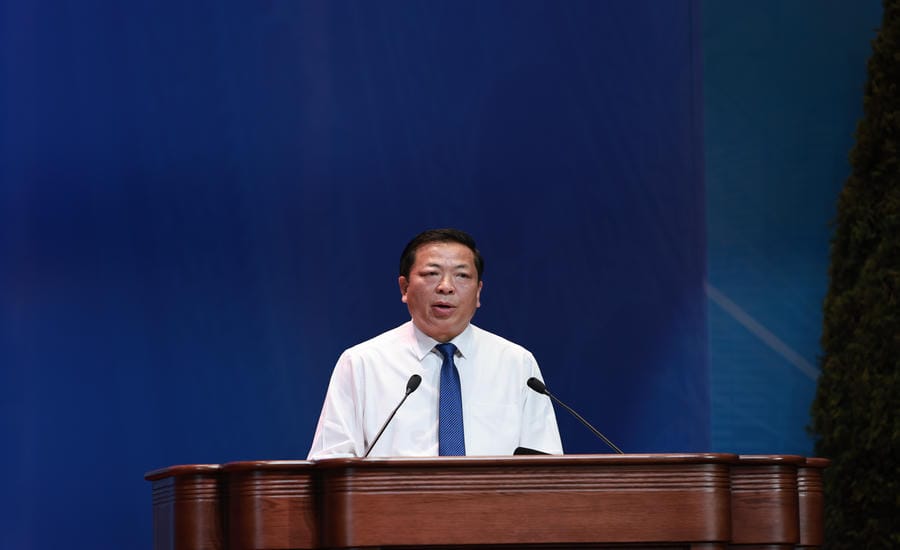
Minister Tran Hong Minh emphasized that the worker force that creates material wealth for society, contributes to social development, they really need a place to settle down - which is housing. Only settled down can they find a career.
For rental housing, this is identified as a strategy, localities will use local housing development funds to support. Regarding social housing, the target of 1 million social housing units will be completed from now until 2030. Localities currently register about 1.3 million units, solving for 4 million workers and laborers to be able to rent and buy social housing" - Minister Tran Hong Minh said.
Answering the recommendations of trade union officials, Member of the Party Central Committee, Minister of Health Dao Hong Lan said that over the years, the Party and the State have issued many mechanisms and policies to improve the health of the people in general and workers in particular.
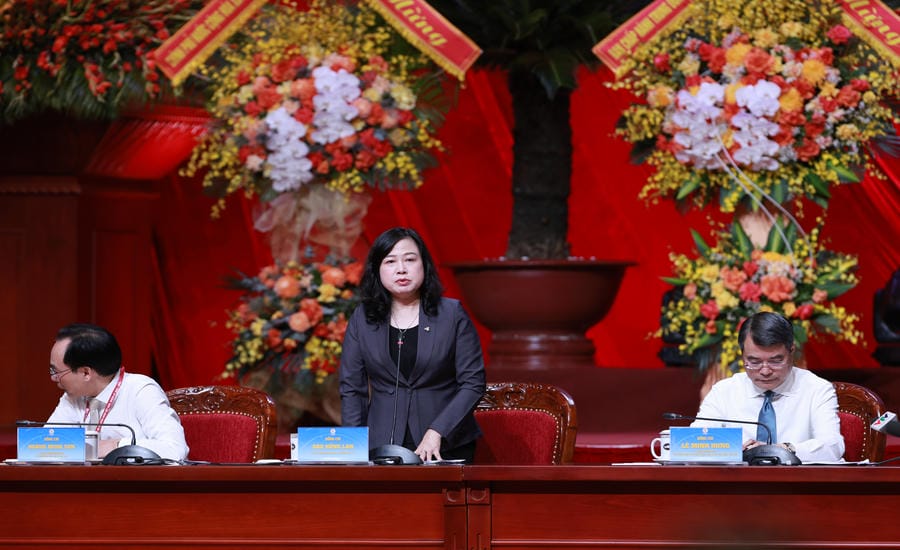
Regarding periodic health checks for workers, Ms. Dao Hong Lan said that this content has been stipulated in the labor and occupational safety and health legal system for many years.
According to current regulations, employees are entitled to periodic health check-ups at least once a year. For people doing heavy, hazardous work or disabled workers, the minimum health check-up time is 6 months/time.
The Minister said that the implementation of this regulation has had many positive changes. Currently, about 70% of businesses have implemented periodic health check-ups for workers, a significant increase compared to previous periods. However, there are still many businesses, especially small businesses, businesses in rural areas or craft villages that have not really paid attention to workers' health care. In addition, the work of ensuring a safe working environment, preventing occupational diseases and monitoring the working environment still has many limitations.
According to Minister Dao Hong Lan, there are currently about 5,800 enterprises nationwide performing labor environment monitoring. Although this number has increased, it is not commensurate with the scale of the labor market and the requirements for protecting workers' health in the current period.
To overcome this situation, the Ministry of Health will continue to coordinate with relevant ministries and sectors to strengthen labor environment monitoring, improve policies on social insurance, health insurance and improve the quality of health care services for workers.
Every year, the VGCL also coordinates with the Ministry of Home Affairs and the Ministry of Health to implement the Action Month on Occupational Safety and Health with many activities aimed at improving working conditions and protecting the health of workers.
Minister Dao Hong Lan also requested trade union levels to strengthen supervision of labor law enforcement, protect the legitimate rights of workers, especially in negotiation and implementation of collective labor agreements.
Trade unions need to proactively support workers with health check-ups, early detection of occupational diseases and access to appropriate treatment services. Proposals to increase the number of prenatal check-ups for female workers and adjust working hours will continue to be studied in the process of policy completion.
According to Minister Dao Hong Lan, ensuring health, rights and a safe working environment for workers not only improves the quality of life but also contributes to increasing labor productivity and promoting sustainable development.
Under the assignment of the Prime Minister, Mr. Nguyen Manh Khuong - Deputy Minister of Home Affairs - answered some questions from trade union officials in the discussion session.
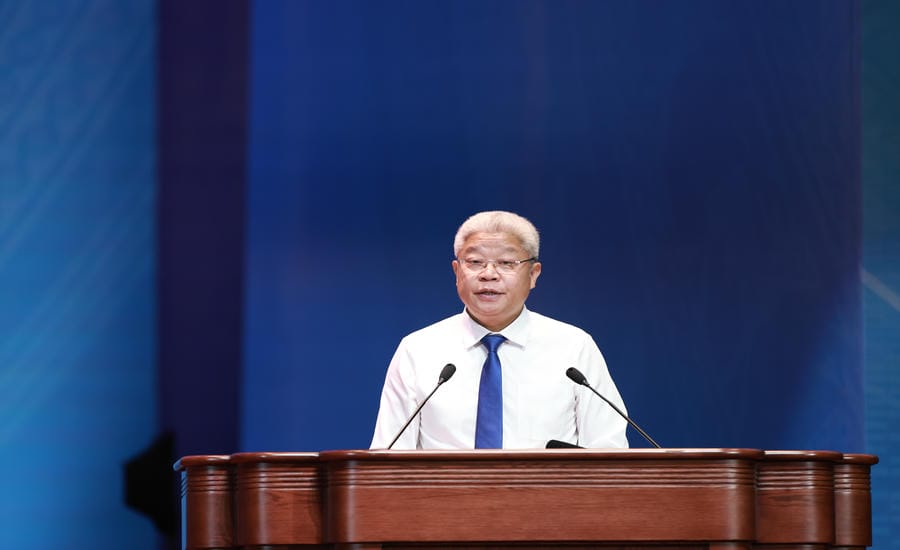
Deputy Minister Nguyen Manh Khuong said that in many agencies, units, and businesses, the emulation movement for good labor and creative labor has developed strongly, thereby appearing many initiatives that bring great socio-economic value. However, in some places, the implementation of the emulation movement is still formalistic. The work of recognizing, honoring and rewarding people with initiatives is not really commensurate with the value and effectiveness that the initiatives bring.
Therefore, in the coming time, the Ministry of Home Affairs will closely coordinate with the Ministry of Science and Technology, the Vietnam General Confederation of Labor and relevant agencies to continue reviewing and evaluating the implementation of regulations on initiatives, innovation and commendation for employees.
On that basis, the Ministry of Home Affairs will research and propose to improve mechanisms and policies in the direction of stronger encouragement of initiatives and technical improvements in labor, production and work; improve the effectiveness of honoring and rewarding individuals with initiatives that bring great value to businesses and society; closely link emulation movements with labor productivity, quality, work efficiency and income of workers; and at the same time promptly detect, commend, and replicate advanced examples, creative and effective models in practice. The Ministry of Home Affairs will also continue to advise competent authorities to innovate the content and methods of organizing emulation movements in a substantive direction, taking labor results, work efficiency, productivity, quality and contribution level as the main measures.


