
This is not only a meal to start the day but also a main source of energy to help the body cope with high intensity of labor, lasting for many hours.
Therefore, choosing the right foods for breakfast needs to be carefully considered in terms of energy, nutrition and the ability to maintain endurance.
First of all, heavy workers need to supplement enough starch - the main source of energy for muscle activity. Dishes such as rice, bread, sticky rice, vermicelli, pho or sweet potatoes are all very suitable in the morning.
However, you should prioritize complex starches such as brown rice, whole wheat bread or potatoes because they release energy slowly, helping workers feel full for a long time and avoiding downtime.
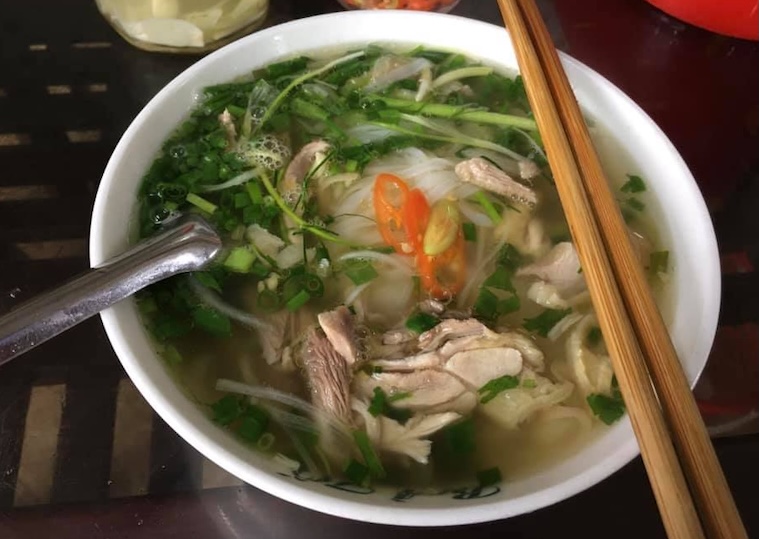
Besides starch, protein is an indispensable ingredient. Heavy work causes muscle to work continuously and is prone to wear and tear. Therefore, protein is needed for regeneration and recovery. Eggs, lean meat, fish, milk, tofu or beans are good choices for breakfast. For example, a bowl of pho with beef, a bowl of egg and meat bread or a bowl of rice with braised fish all provide a significant amount of protein, helping to increase endurance and reduce fatigue.
Healthy fats also need to be supplemented in moderation. Vegetable oils, nuts or a little fish fat help increase energy and support vitamin absorption. However, you should not eat too many fried foods in the morning because they can easily cause bloating, indigestion, affecting labor performance.
Green vegetables and fruits help provide vitamins, minerals, fiber, aid digestion and increase resistance. A glass of orange juice, banana or vegetable eaten with breakfast will help the body stay more alert.
Finally, drinking water is a factor that cannot be ignored, because people who work hard are likely to lose water through sweat.
Breakfast for heavy-duty workers needs to be full of starch, protein, good fats, vitamins and water. A balanced, nutritious breakfast not only helps work more effectively but also contributes to protecting long-term health.


