Đối với một số công ty khởi nghiệp, câu hỏi cấp bách nhất trong lĩnh vực sản xuất hiện nay là: Làm thế nào để chế tạo các bộ phận máy tính, thu hoạch tế bào gốc hoặc sản xuất dược phẩm khi ở trong không gian?
Điều đó đã xảy ra, ít nhất là ở cấp độ nghiên cứu. NASA đã cấp khoản tài trợ 2 triệu USD cho các nhà khoa học muốn nghiên cứu về điều kiện không trọng lực để có thể giúp tạo ra các liệu pháp gen và tế bào gốc mới.
Công ty quốc phòng Northrop Grumman của Mỹ cũng đã hợp tác với một công ty khởi nghiệp nhằm sản xuất chất bán dẫn trong không gian.
Một chuyên gia cho biết, vào cuối thập kỷ này, chúng ta sẽ sử dụng những vật phẩm có chứa một số nguyên tố được tạo ra ở bên ngoài Trái đất.
Để trả lời câu hỏi “tại sao phải trải qua rắc rối của để sản xuất ngoài hành tinh?”, tỉ phú Jeff Bezos nói rằng, các ngành công nghiệp sản xuất nặng và gây ô nhiễm không khí có thể hoạt động cách xa Trái đất để không gây ảnh hưởng tới cuộc sống con người.
Cùng với đó, một số điều kiện nhất định trong không gian, bao gồm thiếu trọng lực, nhiệt độ thấp và chân không gần như hoàn hảo, có nghĩa là một số thành phần nhất định, chẳng hạn như tinh thể, có thể được tạo ra với chất lượng tốt hơn trên đất liền.
Joshua Western, Giám đốc điều hành của Space Forge, một nhà sản xuất công nghệ trong không gian có trụ sở tại xứ Wales (Vương quốc Anh), cho biết: “Không gian là nơi tốt hơn để thực hiện hầu hết mọi quy trình công nghiệp. Chúng ta sống trên một hành tinh nơi bị trọng lực đè lên. Chúng ta chế tạo lò nướng, tủ lạnh và máy bơm chân không để giúp sản xuất sản phẩm trên trái đất, nhưng nếu bạn đi vào vũ trụ, bạn sẽ nhận được những lợi ích đó miễn phí”.
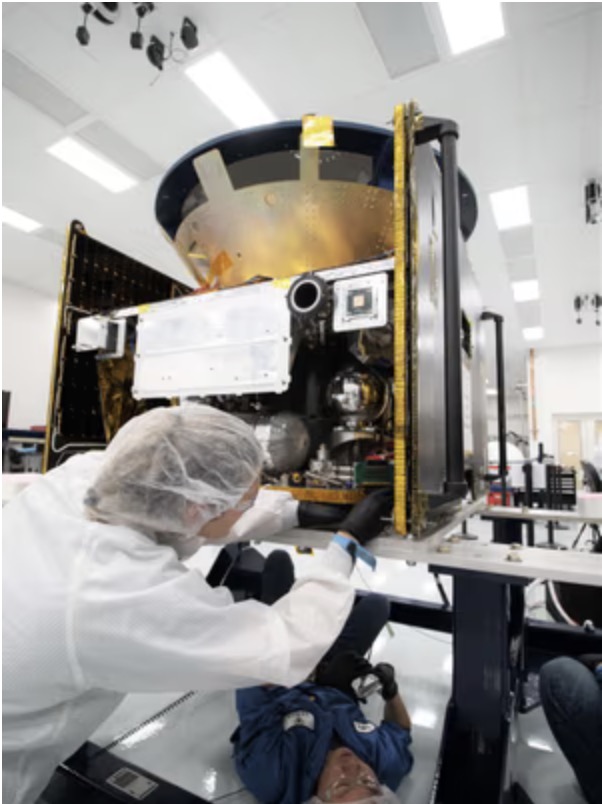
Các công ty dược phẩm đang đặt cược rằng, các loại thuốc mới có thể được sản xuất trong không gian. Công ty Merck đã hợp tác với Trạm vũ trụ quốc tế (ISS) để sản xuất protein trong môi trường không trọng lực.
Các phi hành gia tiến hành thí nghiệm cho gã khổng lồ dược phẩm đã phát hiện ra rằng, các tinh thể được tạo ra để sản xuất thuốc điều trị ung thư Keytruda trong không gian sẽ nhỏ hơn và đồng đều hơn so với những tinh thể được tạo ra trên trái đất.
Cơ hội ngày càng nhiều
Kevin Engelbert, người quản lý danh mục Ứng dụng sản xuất trong không gian của Nasa nói rằng, cơ quan này đã hợp tác với các đối tác thương mại để cho phép sản xuất ngoài Trái đất kể từ năm 2016. Mục tiêu là phát triển nền kinh tế “quỹ đạo trái đất thấp” (Leo) và củng cố vai trò của Mỹ trong thế giới công nghệ.
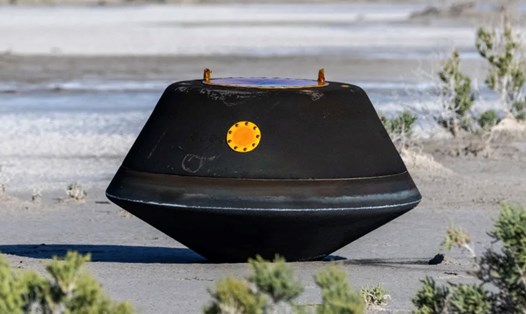
Vào tháng 7, công ty khởi nghiệp Varda Space Industries có trụ sở tại California đã phóng một viên nang vào quỹ đạo trái đất.
Theo trang tin công nghệ Gizmodo, nó được dự định trở thành một “nhà máy sản xuất thuốc không gian”, chuyên sản xuất các tinh thể thuốc ritonavir, một loại thuốc chống virus dùng để điều trị HIV.
Tuy nhiên, đây chỉ là sự khởi đầu. Vào năm 2031, ISS sẽ ngừng hoạt động và rơi xuống đáy Thái Bình Dương. Sau đó, NASA sẽ thuê chỗ trên các phương tiện không gian thương mại. Đó là một động thái giúp cơ quan này tiết kiệm được 1,3 tỉ USD chỉ riêng trong năm 2031.
Sita Sonty là Giám đốc điều hành của Space Tango, một công ty hợp tác với ISS để cung cấp cơ sở vật chất hỗ trợ nghiên cứu, phát triển và sản xuất trong môi trường vi trọng lực.
Bà cho biết, khi ngày càng có nhiều tàu con thoi thuộc sở hữu tư nhân xuất hiện và nhu cầu sản xuất trên quỹ đạo sẽ tăng lên.
Các công ty sản xuất ngoài hành tinh nói rằng, số lượng sản phẩm được sản xuất trong không gian sẽ tăng lên vào cuối thập kỷ này, vì họ sẽ không còn cần phải đi qua ISS để lên vũ trụ nữa. Càng có nhiều tàu con thoi thuộc sở hữu tư nhân trong không gian thì cơ hội cho các nhà máy ngoài trái đất càng lớn.