
A few days earlier, the international technology market had leaked information that Waymo was preparing to announce a large-scale funding round. However, so far Waymo has only officially confirmed that it has successfully raised 16 billion USD. After this deal, Waymo raised its valuation to 126 billion USD.
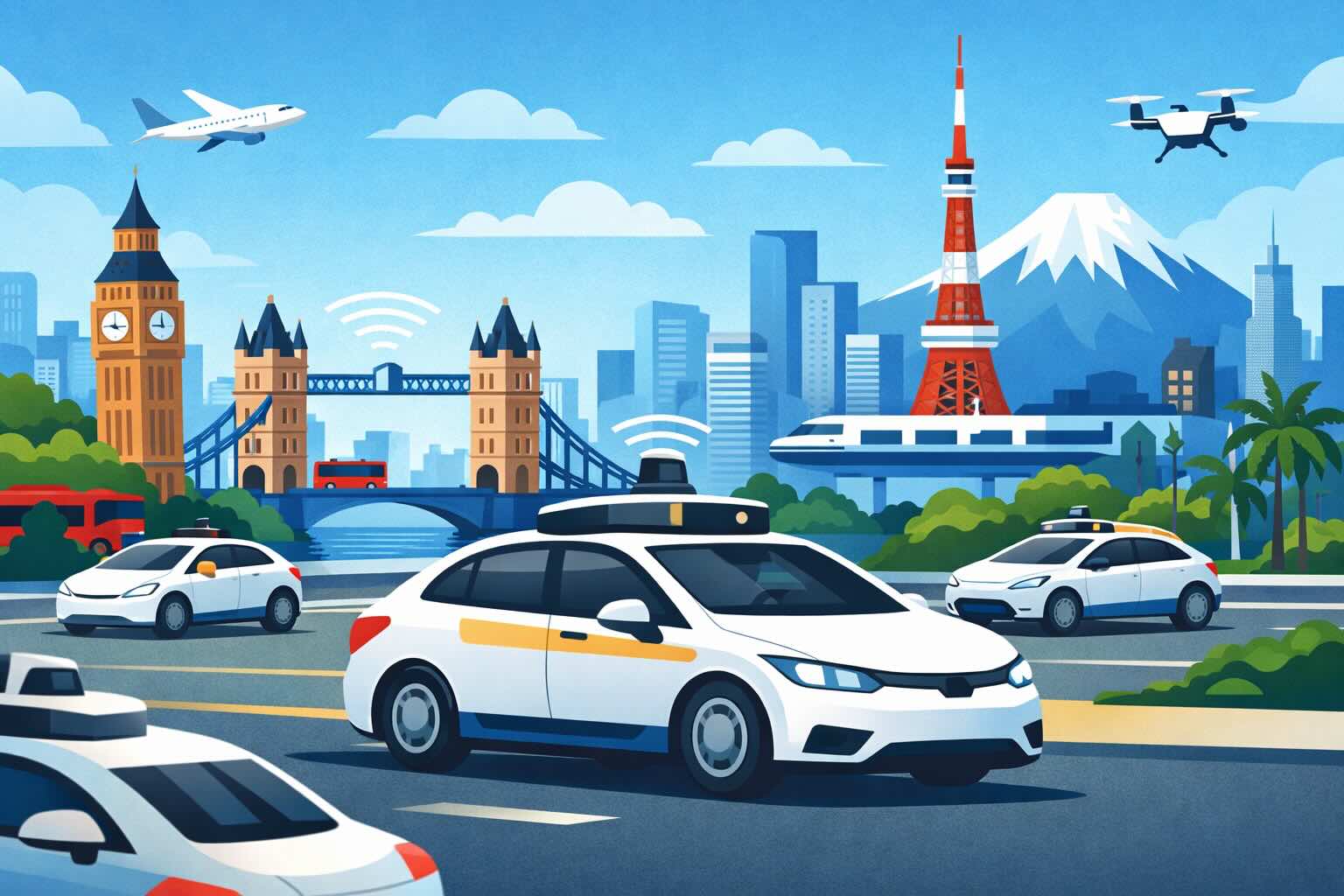
According to information from Waymo, the funding round is led by Dragoneer Investment Group, DST Global and Sequoia Capital. Parent company Alphabet continues to participate and maintains its role as the largest shareholder. Waymo said new capital will be used to expand the robotaxi fleet and develop infrastructure, aiming for large-scale commercial operations in more than 20 cities by 2026, including London and Tokyo.
From a Google self-driving car test project, Waymo took many years to perfect the technology. In 2016, the company began testing at Phoenix and gradually completely eliminated safe drivers. Phoenix became the first robotaxi market where people could call self-driving cars to serve daily commuting.
A major turning point occurred in August 2023, when Waymo received its final license to operate and charge self-driving taxi services in California. From San Francisco, the service was quickly expanded to Silicon Valley and many highways connecting major cities. Waymo then moved into Los Angeles and continued to expand to Austin, Atlanta through partnerships with Uber, before launching in Miami.
Currently, every week, Waymo's self-driving taxis make about 400,000 trips in 6 major urban areas in the US. In 2025 alone, the number of trips tripled, reaching about 15 million trips.
In parallel with the expansion process, Waymo also faces closer supervision from regulators and public opinion. A number of traffic safety incidents have caused the US National Highway Traffic Safety Administration and the US National Transportation Safety Board to open investigations into self-driving taxi operations, especially around school areas.


