
According to analysis by experts from market research company Counterpoint Research, for the smartphone industry, logistics is still an important risk factor. Most global smartphone shipments are transported by air. Although the cost is higher than sea transport, air transport is still preferred due to the high value and short "lifespan" of smartphones.
Original equipment manufacturers (OEMs) use interconnected routes to supply smartphones to key markets in the Middle East, Europe, Africa and America. In this network, the Middle East plays a central role. Dubai International Airport in the UAE and Hamad International Airport in Qatar play the role of technical stops and main cargo transit hubs. These airports allow for concentration and redistribution of goods before shipments continue to Europe, Africa or the US East Coast.
In the context of the ongoing Middle East crisis, transport rerouting options are feasible but all come with compromises. More importantly, Iran has announced the closure of the Strait of Hormuz, effectively disrupting a transportation corridor accounting for about 20% of global oil supplies, according to data from the US Energy Information Administration (EIA).
This announcement immediately caused a sharp increase of about 6% in oil prices since March 2. Once fuel prices are pushed up, transportation costs will also increase.
According to the AVIEX database, on a normal day, a Boeing 777F aircraft, a long-range cargo aircraft, usually consumes 7-8 tons of fuel per flight hour, equivalent to an average price of 8,250 USD per hour as forecast by the EIA in 2026. Moreover, hiring two pilots for a flight lasting more than 14 hours in 2026 will cost about 12,000 USD as forecast by the Pelican Flight School.
In many cases, the change of route will increase by at least two to three flight hours. Although this may seem insignificant, three more flight hours may lead to an additional $25,000 in fuel costs, not to mention ground service fees for stops, route and destination insurance, and higher labor costs.
The impact of the conflict is also spreading to the refurbishment market. While new smartphones are transported by air, parts used in refurbishment workshops are mainly transported by sea.

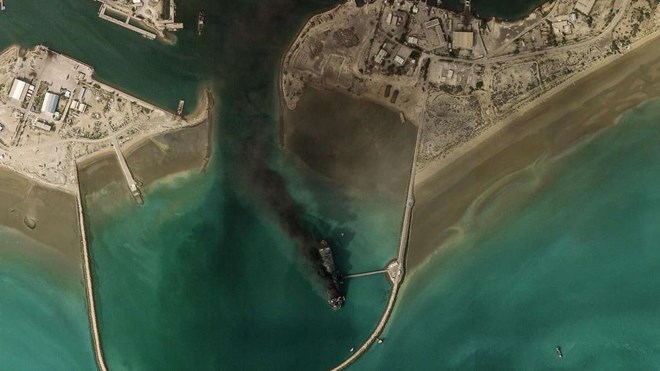
Therefore, disruptions limiting access to Jebel Ali port in Dubai, an important transshipment hub in the region for spare parts, are creating clearer operating restrictions on the refurbished supply chain.
All these events are exacerbating the already tight smartphone supply chain, as high memory costs are putting great pressure on OEMs and limiting profit flexibility.
If the disruption persists, total logistics costs will continue to increase, including insurance adjustments and extended cargo handling time. Although these increases seem insignificant when spread across a plane carrying hundreds of thousands of smartphones, this additional cost piles up on already limited logistics resources per unit of product.
As a result, even small absolute increases can lead to significant percentage increases per device, gradually putting pressure on the profit margin, pricing strategy and inventory plan of smartphones in the global market.


