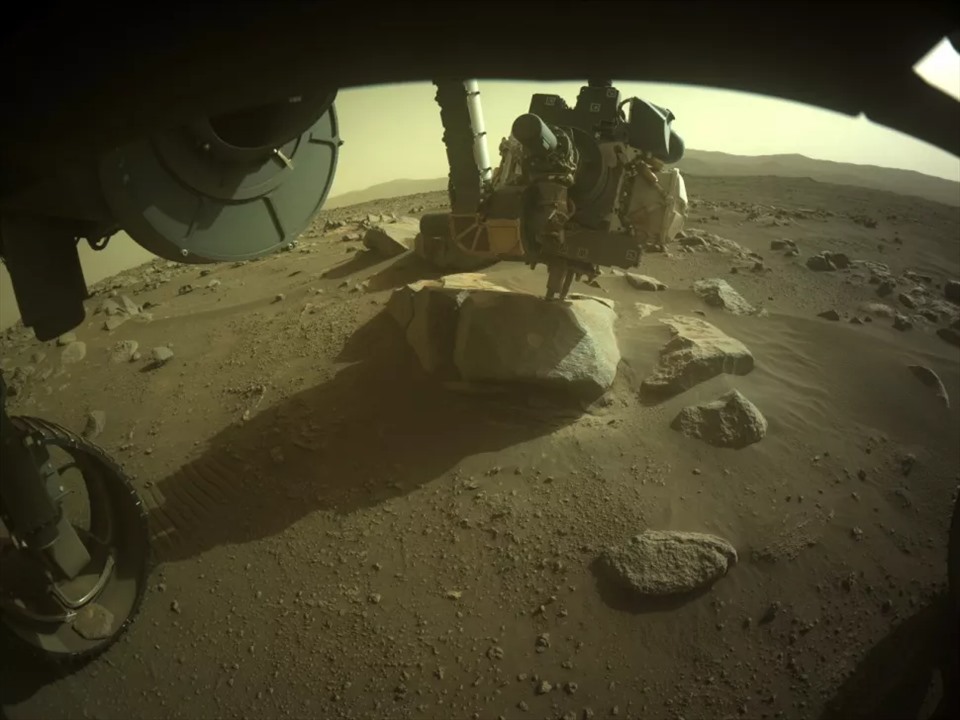
Space.com dẫn thông báo ngày 8.3 trên Twitter của nhóm sứ mệnh cho hay, robot đã khoan vào một tảng đá sao Hỏa mới và lấy đi phần lõi. Đây là mẫu vật thứ 7 mà Perseverance đã thu thập được kể từ khi hạ cánh xuống bề mặt của miệng núi lửa Jezero trên hành tinh đỏ vào tháng 2.2021.
Thu thập các mẫu vật để gửi về Trái đất trong tương lai là một trong hai nhiệm vụ chính của Perseverance, cùng với việc săn lùng các dấu hiệu của sự sống trên sao Hỏa cổ đại. Jezero rộng 45km, có một hồ và một đồng bằng châu thổ trong quá khứ xa xưa, vì vậy đây là một nơi tuyệt vời để thực hiện những nhiệm vụ đó, các thành viên thuộc sứ mệnh cho biết.
Trên Trái đất, các đồng bằng châu thổ đã làm rất tốt trong việc bảo tồn các dấu hiệu của sự sống như chúng ta đã biết, cũng như các khối cấu tạo cơ bản của sự sống, các hợp chất hữu cơ chứa carbon. Do đó, các thành viên phụ trách Perseverance rất háo hức khám phá những tàn tích còn sót lại của vùng châu thổ Jezero và họ có kế hoạch sớm nghiên cứu chúng.
Perseverance đã dành năm đầu tiên trên sao Hỏa (tính theo năm Trái đất) để khám phá bề mặt miệng núi lửa ở phía nam và phía tây so với địa điểm hạ cánh - được đặt theo tên của tác giả khoa học viễn tưởng Octavia Butler.
Nhóm Perseverance đang lên kế hoạch về hành trình của xe tự hành với sự trợ giúp của trực thăng sao Hỏa Ingenuity. Nếu mọi việc diễn ra theo đúng kế hoạch, Perseverance sẽ kết thúc việc thu thập sau khi lưu trữ được vài chục mẫu. Những mẫu vật này sẽ được đưa đến Trái đất sớm nhất là vào năm 2031, bởi một chiến dịch chung của NASA và Cơ quan Vũ trụ Châu Âu.