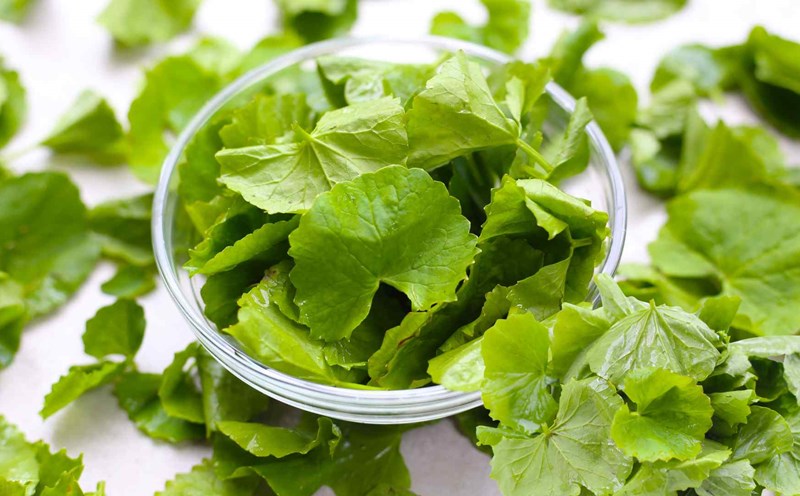
According to research published in the Journal of Microbiology and Biotechnology, crab greens contain many important biological compounds such as flavonoids, polyphenols, tannins, saponins and terpenoids - substances known for their strong antioxidant and anti-inflammatory properties.
The high phenolic and flavonoid content in cranberry extract has been proven to neutralize free radicals, thereby helping to reduce oxidative stress - one of the main factors causing liver cell damage in diseases such as fatty liver, alcoholic or drug-induced hepatitis.
Biochemical analyses also show that water spinach contains vitamin C, plant protein and endogenous antioxidant enzymes such as catalase, contributing to strengthening the body's natural defense system.
The liver is the main organ responsible for metabolizing and eliminating toxins through two enzymatic detoxification phases. Clams do not directly "clean the liver", but the active ingredients in the plant can support the liver through indirect mechanisms:
Antioxidants: flavonoids and polyphenols protect liver cell membranes from being destroyed by free radicals.
Reduce inflammatory reactions: Terpenoid and alkaloid compounds in crab greens are recorded to have the ability to inhibit some inflammatory pathways, thereby limiting prolonged liver damage.
Support lipid metabolism: some preclinical studies show that extracts from cranberries can help reduce fat accumulation in the liver by regulating fat metabolism enzymes.
In cuisine, pennywort is often eaten raw, mixed with salad or cooked in soup. Using it in fresh form helps retain maximum vitamins and phenolic compounds that are heat-sensitive. Some common processing methods include:
Salad of water spinach mixed with beef or shrimp: provides more protein and healthy fats, helping to increase the absorption of lipid-soluble antioxidants.
Rau càng cua soup cooked with shrimp or lean meat: easy to digest, suitable for people with weak digestive and liver systems.
Water mimosa juice or smoothie: is used by some as a cooling drink, but needs to be used in moderation.
Consuming about 50-100g of fresh water spinach each time, 2-3 times per week, is considered safe for healthy people when the vegetables are washed clean and not contaminated with chemicals.