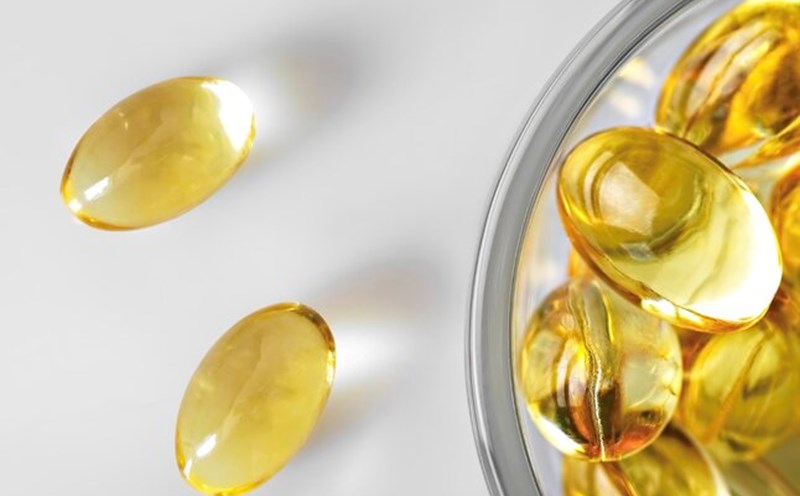
Women need to note that Vitamin D is very important for health, helping to strengthen bones, increase resistance and improve mood. The body can make vitamin D on its own thanks to sunlight, but if you abuse it, you may face the risk of skin cancer. Therefore, experts recommend that vitamin D supplementation from food or tablets is still safer and more effective.
How much sunlight is enough?
According to experts, in spring and summer, just 10 minutes of exposure to sunlight between your hands and your calves can create enough vitamin D per day.
However, in winter or in cold climates, sun exposure at the same time is not enough. In the cold season, if you only show your face and arms, you have to sit outdoors for 2 hours to get enough vitamin D, Dr. Shoshana Marmon, a dermatologist at New York Medical College, told verywellhealth.
Taking too much sunlight can be harmful
Sunscreen can reduce the ability to synthesize vitamin D, but should still be used to protect the skin from UV rays that cause skin cancer.
You cant rely solely on sunlight to get enough vitamin D. The safest way to do it is to eat foods rich in vitamin D, choose products that have been supplemented with vitamins, or take a vitamin capsule if needed, says Dr. Heather D. Rogers, a dermatologist in Seattle.
Although you should not sunbathe for too long, you should not completely avoid the sunlight. Sunlight is also beneficial for your spirit and sleep.
Lack of sunlight can make you stressed, sad, have difficulty concentrating, and sleep poor, says psychologist Samia Estrada from California. Going out for a walk in the light sun helps improve your spirit significantly".
Food source of vitamin D
According to Dr. Karl Insogna, Director of the Nephrology Center at Yale University, vitamin D helps the body absorb calcium, an important factor for strong bones.
Housewives can confidently find natural vitamin D for the whole family in salmon, tuna, mackerel, beef liver, egg yolks. In addition, milk, cereals and orange juice are often supplemented with vitamin D to help users absorb enough each day.
According to the US National Institutes of Health (NIH), the recommended vitamin D intake for the body is as follows:
People aged 1-70 need 600 IU/day.
People aged 71 and over need 800 IU/day.