
Parts of vegetables that seem to be discarded such as onion roots, carrot peels or slightly wilted vegetable leaves, if used properly, can still be "revved" into useful ingredients. Not only does it help save costs, this habit also contributes to building a green lifestyle in each family.
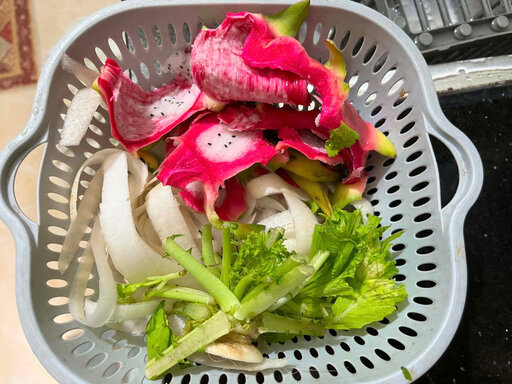
In the kitchens of many families, the situation of excess vegetables after each meal is no longer strange. Instead of rushing to leave, housewives can apply simple tips to make the most of available food sources.
One of the common ways is to reuse the roots of some vegetables such as scallions, water spinach, cabbage... Just put the roots in a glass of water or replant them in moist soil, after a few days, the vegetables can continue to grow. This is a way to both save money and create more clean vegetable sources at home.
For vegetables that have wilted slightly but are not spoiled, they can be soaked in cold water for about 10-15 minutes to "hydrate", helping vegetables regain freshness. In addition, the remaining vegetables after preliminary processing such as carrot peel, scallion head, cabbage core... can be used to cook broth, increasing the natural sweetness of the dish without adding industrial spices.
Another small tip is to cut the leftover vegetables into small pieces and store them in the freezer. When needed, you can use them directly for soups, stir-fried dishes, or as filling for cakes. This method helps extend the shelf life and significantly reduce the amount of food wasted.
Not only stopping at cooking, leftover vegetables can also be used as organic fertilizers. Fruit peels and vegetable leaves after being properly incubated will become a natural source of nutrients for crops, contributing to reducing domestic waste.
Taking advantage of leftover vegetables does not require complex techniques, but brings many practical benefits. From small changes in the kitchen, each family can contribute to building sustainable, economical and environmentally friendly consumption habits.


