
Clinging and understanding - the foundation for intellectual and emotional development of children
The first years of life are the stage of the foundation for the formation of children's intelligence, emotions and personality.
According to the Parents' Group Activity Plan document under the "Parenting Program for Comprehensive Development of Vietnamese Children", the bond between parents and children is formed very early, right from the time the child is in the womb and continues to be nurtured through meeting the needs, caring, loving and creating a sense of safety for the child.
Clinging is not only a physical care but also an emotional presence. When parents come to their children when they cry, hug them when they are scared, listen when they are upset, children will feel safe and confident. This sense of safety creates the premise for the brain to develop, helping children boldly explore, learn and form positive emotions.
Experts emphasize that lack of attachment can make children anxious, unconfident, stubborn or have difficulty communicating sociably. Therefore, at any age from 08 years old, children need the regular attachment and companionship of their parents.
Understand your child through each stage to effectively support learning
One of the important messages of the Parenting Program is: each stage of a child's development has different characteristics in terms of cognition, behavior and learning ability. Understanding what stage your child is at helps parents have appropriate expectations and choose the right way to support.
Newborns and children under 1 year old learn through senses and direct interaction. Children from 13 years old start to explore the world around them with exercise and simulation. Children from 36 years old develop strongly in language, imagination and emotions, while children from 68 years old gradually form logical thinking and the ability to self-control their behavior.
Setting too high expectations when children are not yet capable can put pressure on both parents and children. On the contrary, when parents clearly understand their children's abilities for each age, studying guidance will become gentle, effective and help children develop at the right pace.
Teaching children to identify and express emotions
emotional development is an inseparable part of intellectual development. According to the document, children have emotions but do not always understand and express their emotions. Parents' role is to help children call out their emotions and learn to express emotions appropriately.
Parents are advised to regularly talk to their children about emotions such as joy, sadness, anger, anxiety; accept their children's emotions instead of deniing or judging. When children's emotions are respected, they will gradually learn to understand the emotions of others and develop empathy.
The document also emphasizes the exemplary role of parents. How adults deal with stress, disappointment or conflict will be a direct lesson for children to learn from in life.
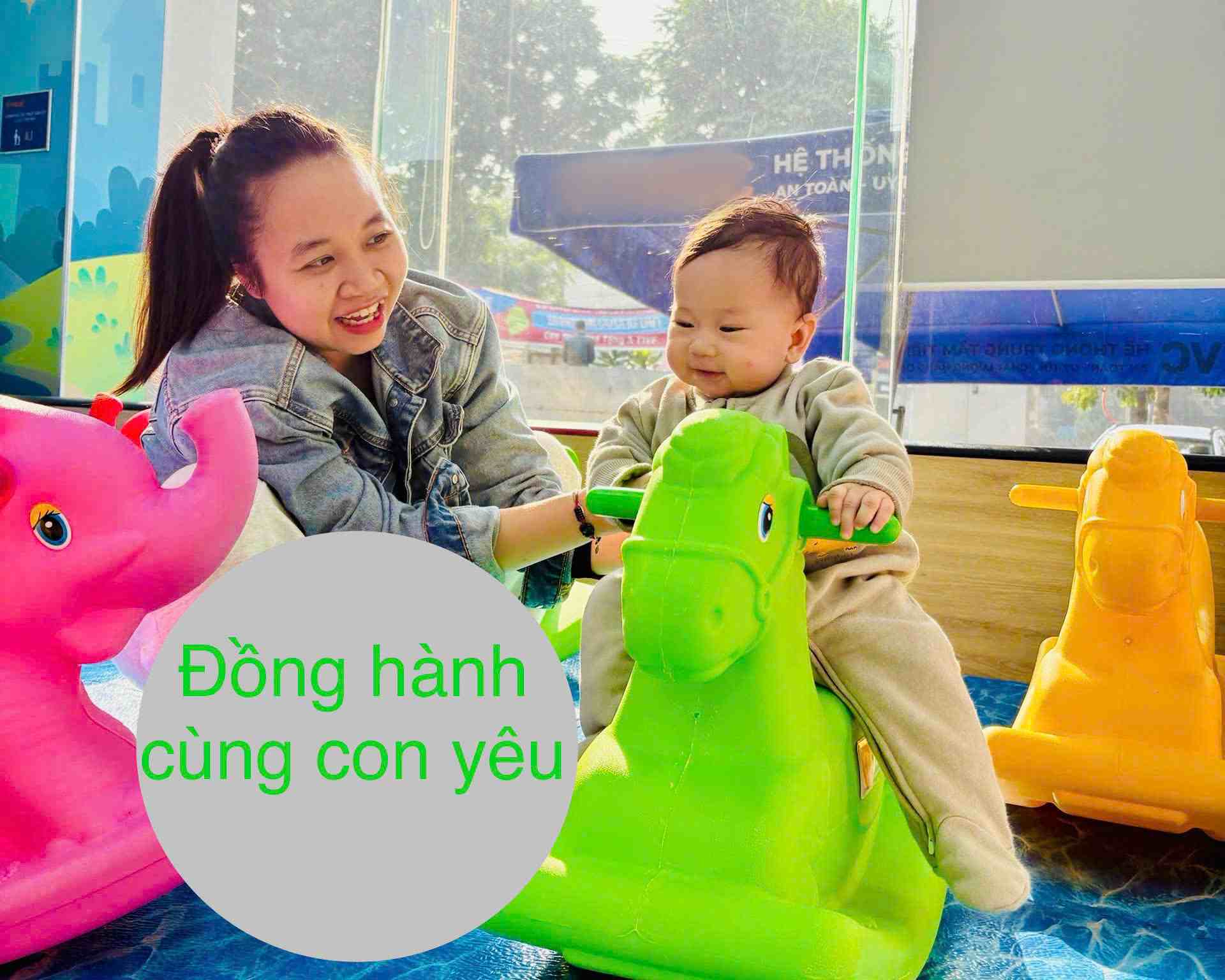
fun with children - the most natural and effective way to learn
In the Parenting Program, playing is identified as an important path to help children develop their intelligence, physical and emotional health. Playing does not require expensive toys but can take advantage of the items available in the family.
Through play, children are stimulated with senses, trained in thinking, learn to solve problems and increase attachment to their parents. When parents play together, chat together, and are creative with their children, children feel loved and cared for while studying.
Experts encourage parents to spend time playing with their children every day, creating a safe and clean environment and respecting children's initiative in playing.
Being an active parent - a long-term learning journey
The program "Parenting for comprehensive development of children" affirms that there are no perfect parents, but every parent can become a positive parent through daily learning and practice.
Listening, being patient, consistent in raising children and taking care of themselves helps parents stay calm and attached to their children for a long time.
Parents' support not only helps children develop comprehensively today but also creates a solid foundation for their future and for the sustainable development of the family and the community.
Parents should spend more time with their children to protect and help their children develop comprehensively.


