
This is an important milestone demonstrating Vietnam's strong commitment to protecting children from exploitation and ensuring their rights.
The rate of children participating in economic activities has decreased
This event once again affirms Vietnam's persistent efforts in caring for and protecting children, contributing to promoting inclusive and sustainable economic and social development, in accordance with international labor standards.
According to national surveys conducted by the Statistics Office with the support of ILO, the rate of children participating in economic activities has decreased from 9.1% in 2018 to 3.5% in 2023.
However, there are still about 94,300 children doing dangerous jobs and nearly 12 out of every 100 children in child labor face risks affecting their health.
Eliminating child labor is not only about protecting childrens rights, but also about investing in the future of Vietnams labor force and inclusive economic growth, said Sinwon Park, ILOs country director in Vietnam.
According to her, when children go to school and develop skills, when adults have satisfactory and productive jobs, the benefits will spread to families, businesses and the entire economy. Ending child labor is a strategic investment in the value and sustainability of the future of Vietnam's economy.
In addition, strengthening coordination between ministries, branches and local governments has played a key role. The strengthened inter-sectoral coordination mechanisms have supported more effectively the work of labor inspection, law enforcement and support and referral services for children at risk.
Many capacity building activities have helped improve awareness of labor inspectors, local officials, employers and the community about legal responsibility as well as the importance of protecting children.
In the coming time, relevant agencies emphasized that the termination of child labor requires regular attention and supervision, especially in the context of Vietnam increasingly integrating deeply into the supply chain. Children in vulnerable households - affected by poverty, migration, climate change, informal employment and limited access to services - will continue to be a priority group in intervention efforts.
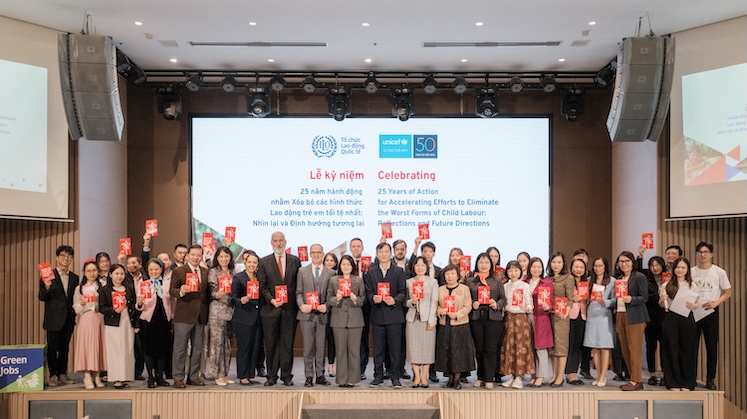
No single subject can end child labor alone
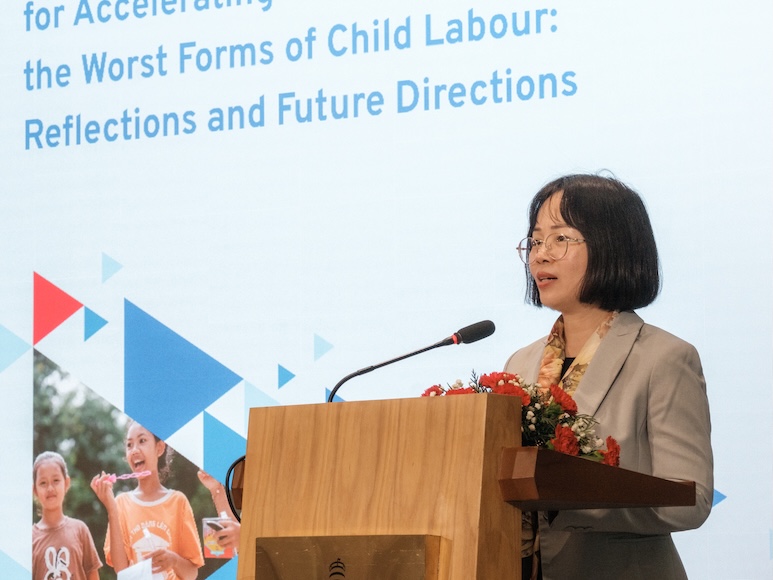
Ms. Nguyen Thi Nga - Deputy Director of the Department of Mothers and Children, Ministry of Health - emphasized: "Protecting children is a common responsibility of the family, the community, state agencies, employees, employers and businesses.
No single subject can voluntarily end child labor. This requires the cooperation of all parties - from strengthening social security policies for vulnerable families, to law enforcement and raising corporate responsibility. Only together can we create a solid foundation for the long-term and healthy development of future generations, said Ms. Nga.
In the context of digital transformation, new risks such as exploiting children in the online environment are appearing in parallel with existing vulnerable factors such as poverty, migration and informal employment. This requires child protection systems to be able to respond effectively both online and online, based on effective prevention, education and enforcement and compliance with the law.
To realize this common goal and promote the goal of high-quality economic growth, Vietnam needs to continue to focus on protecting the basic rights of children through integrated access programs, including education and social security.
Preventing child labor starts with protecting children from harmful risks, ensuring that all children have access to education and social services, and at the same time, families in vulnerable circumstances receive timely support to escape the vicious cycle of poverty" - Mr. Ly Phat Viet Linh, Acting Deputy Head Representative of UNICEF in Vietnam, shared.


