
Tet always comes in a very unique way - slowly but bustlingly, familiar but still full of excitement. That is the moment when the streets put on new clothes, the faint scent of incense in the New Year's Eve, the reunion meal that makes those who are far away only want to return. Although life changes day by day, Tet is still a meeting point for love and a new beginning.
In the modern flow, the way Vietnamese people celebrate Tet has many changes. The feast can be simpler, the journey of reunion can be more flexible, but the spirit of cohesion and hope for a good new year is still intact. It is this transformation that makes today's Tet both retain its traditional features and take on the face of the times.
From traditional feasts to choices that are just right for modern times
For the previous generation, Tet is a story of elaborate preparation. From the full moon of the twelfth lunar month, many families have been busy cleaning the house, preparing each kilogram of pork sausage, kilogram of sticky rice. New Year's Eve offering trays are not only for "enough dishes" but also to show respect for ancestors. In the North, green banh chung, jellied meat, pickled onions are almost unwritten standards. In the South, braised pork with eggs and bitter melon soup mean overcoming difficulties in the old year. That sufficiency is pride, is the measure of a complete Tet.
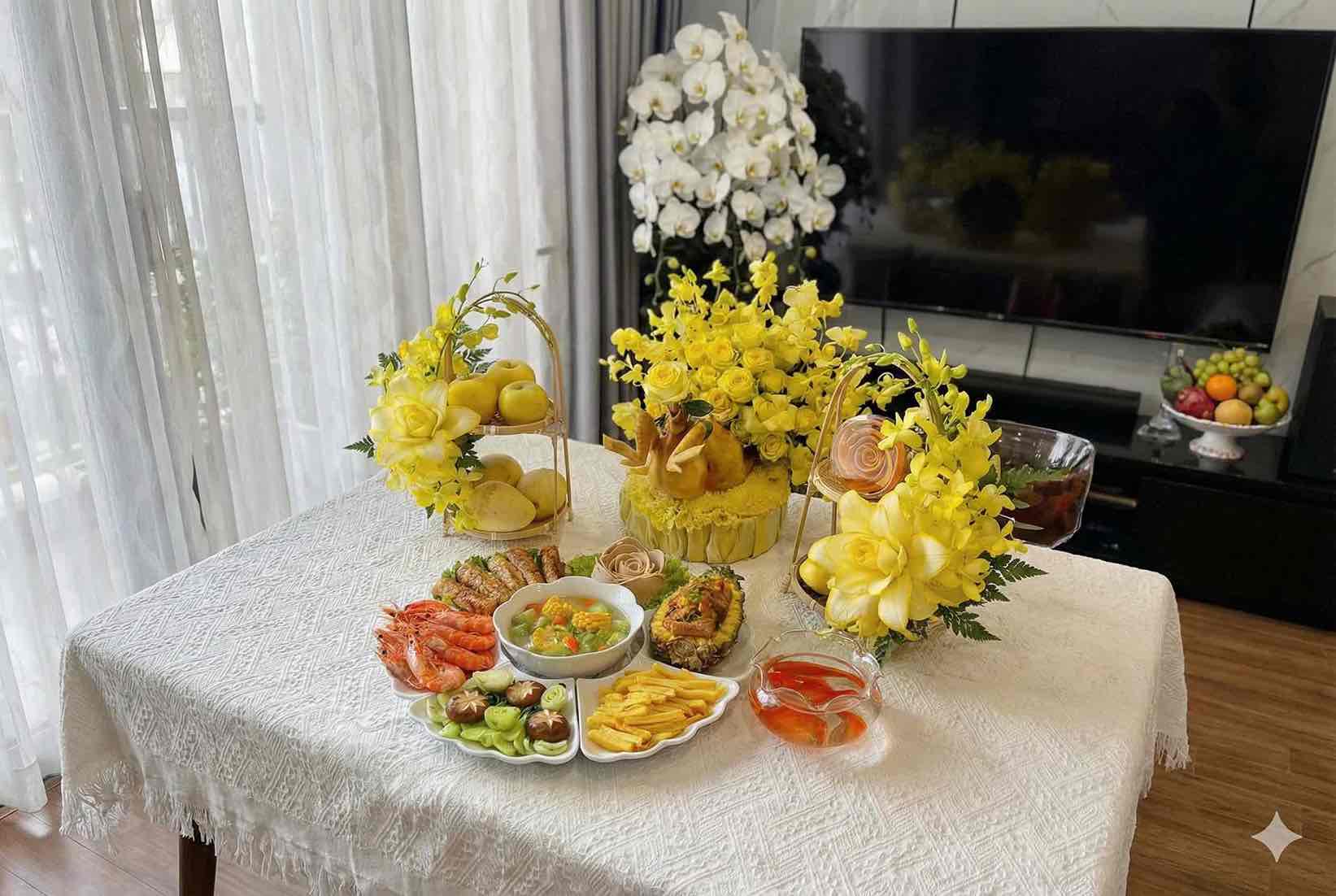
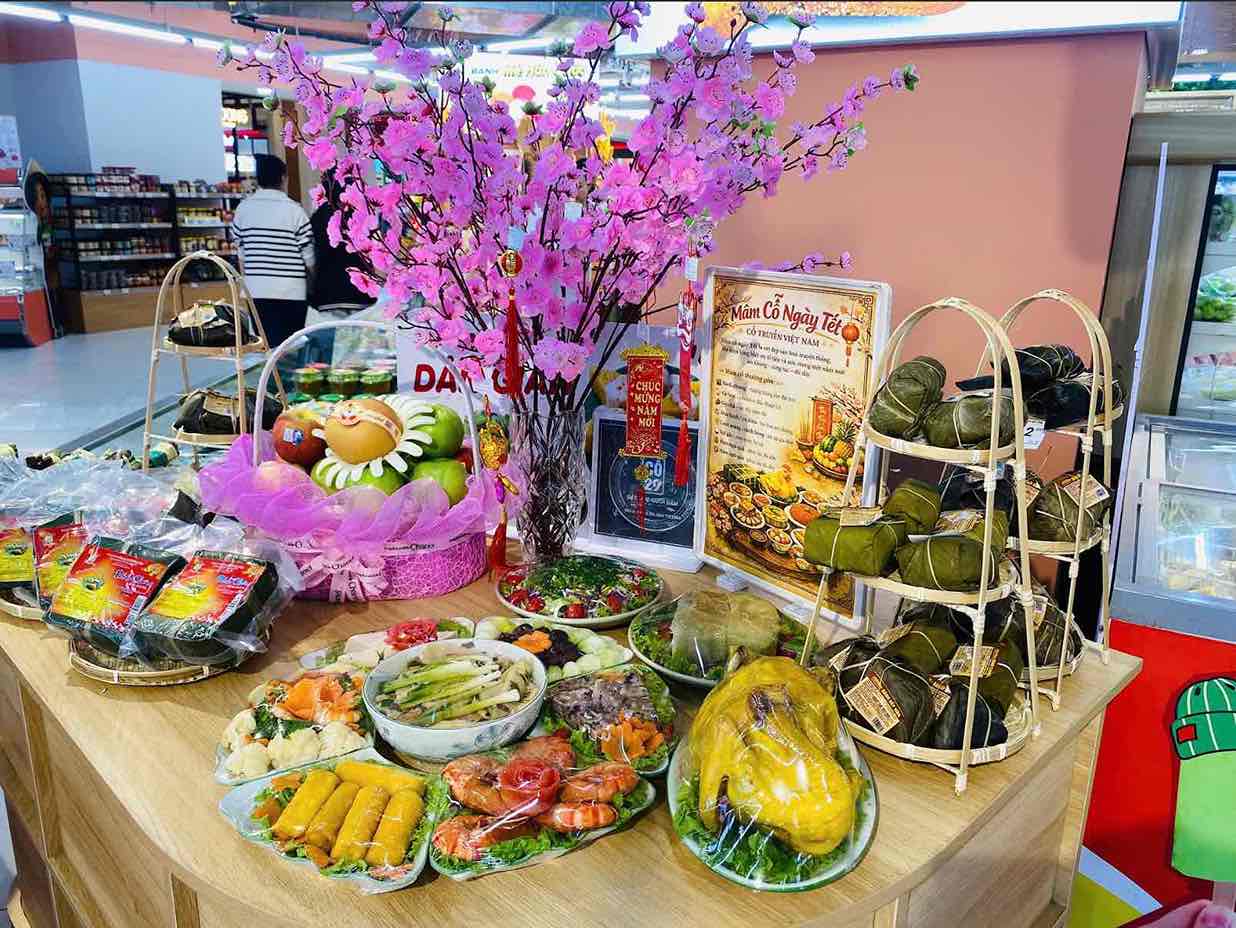
But Tet today is gradually being shortened. Many young families choose to order feasts through supermarkets or restaurants instead of preparing them themselves. The offering tray is streamlined, prioritized just enough to avoid waste. Instead of storing food for many days, many families only prepare within their actual consumption capacity. In the context of economic pressure, this change reflects a more cautious spending mentality - celebrating Tet but not "bracing" Tet.
Reunion in the technology era: Distant but not distant in heart
Along with that, the family structure also changes. If before, Tet was a time for a large family of three or four generations to gather, now the nuclear family model has become popular. Young people working far from home, even abroad, do not have the conditions to return every year. Some families choose to travel instead of staying at home for three days of Tet.
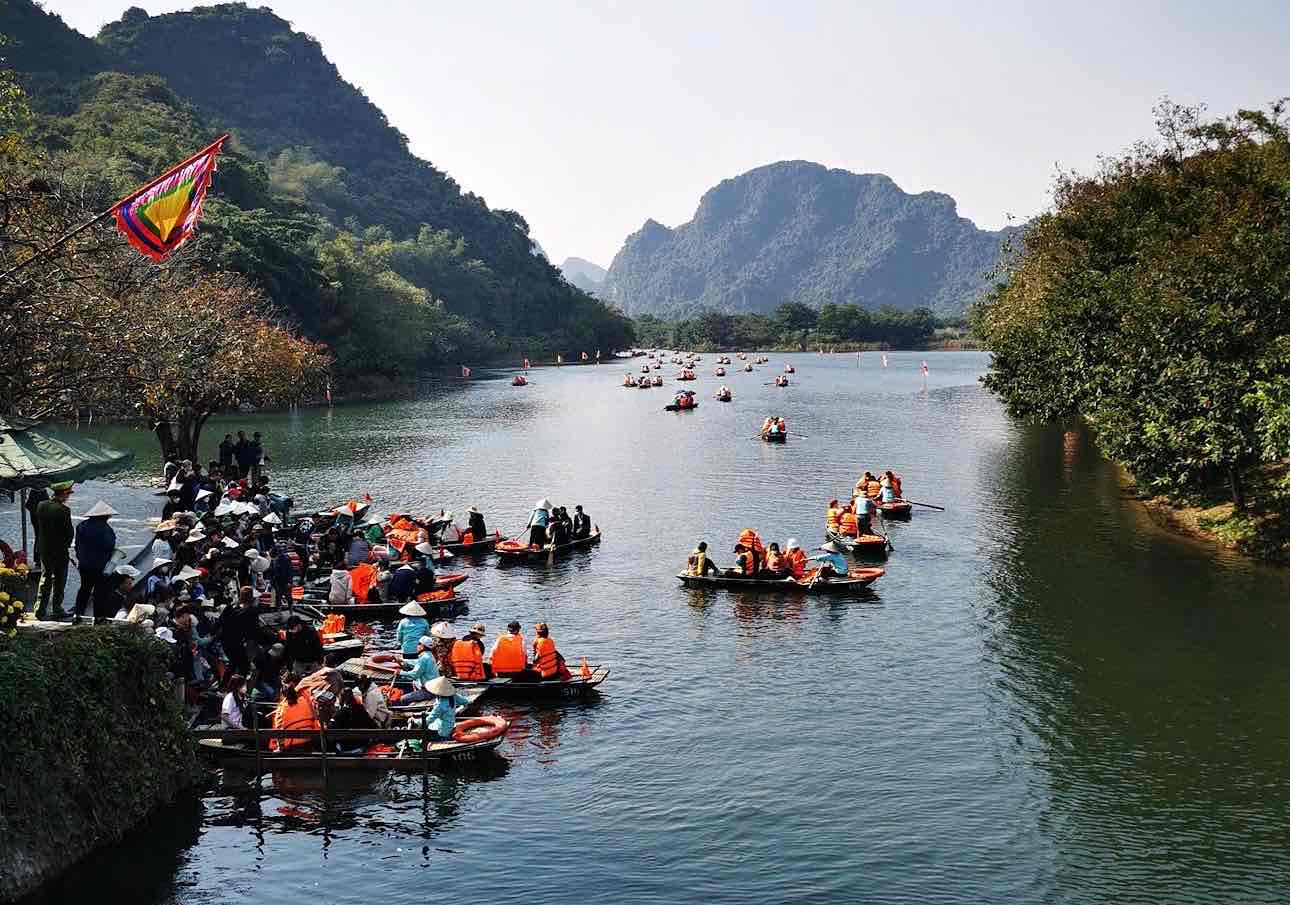
Talking to Lao Dong Newspaper, Mr. Nguyen Hai Thanh (Hanoi) said that in recent years, his family has chosen to travel during Tet. According to him, this is a rare time when the whole family can arrange work to be together completely. At the same time, welcoming the New Year at different destinations also brings a new experience, helping each spring become a memorable memory.
The form of reunion has changed, but the need for connection is still there. Whether directly or through technology, the moment the whole family wishes each other peace at the beginning of the year is still sacred. The important thing is no longer the number of days at home, but the quality of the presence.
Tet in a new rhythm of life: More flexible, more complete
Along with the changes in socio-economic life, the way young people celebrate Tet also has many changes. If Tet was previously associated with quite fixed standards on feasts, gifts or reunion times, now many families choose a more flexible and suitable way to celebrate the New Year for their living conditions.
Instead of focusing on formality, many young families prioritize neatness, thrift and substance. The meal can be simpler but still full of meaning. Tet greetings are arranged reasonably, avoiding prolongation, to spend time resting and enjoying a meaningful holiday. Tet therefore becomes an opportunity to rebalance the rhythm of life after a year of work.
Social networks bring many diverse images of how to celebrate Tet - from traditional gatherings to early year travel. That difference no longer creates pressure but shows that Tet is being approached with more positive choices. Each family has their own way of preserving the spring atmosphere, as long as there is care and sharing.
Keeping core values between changes
Simplifying rituals does not mean fading traditions. Many families still maintain year-end meals, New Year's Eve worship moments, and burning of votive paper after three days of Tet.
Whether in the countryside or the city, directly or through technology, the spirit of solidarity is still placed at the center.


