Legal loophole with AI-generated music
When a musical product can be created without being associated with a specific creative subject, the basic concepts of copyright law such as author, derivative works or copying behavior become difficult to apply clearly. In that context, the central issue is not in the capabilities of technology, but in the fact that the current legal framework is revealing clear limits to a new form of creation.
Reality shows that music created by AI is posing a potential risk of copyright and personal rights infringement. However, the identification and proving of violations is beyond the capabilities of traditional legal tools.
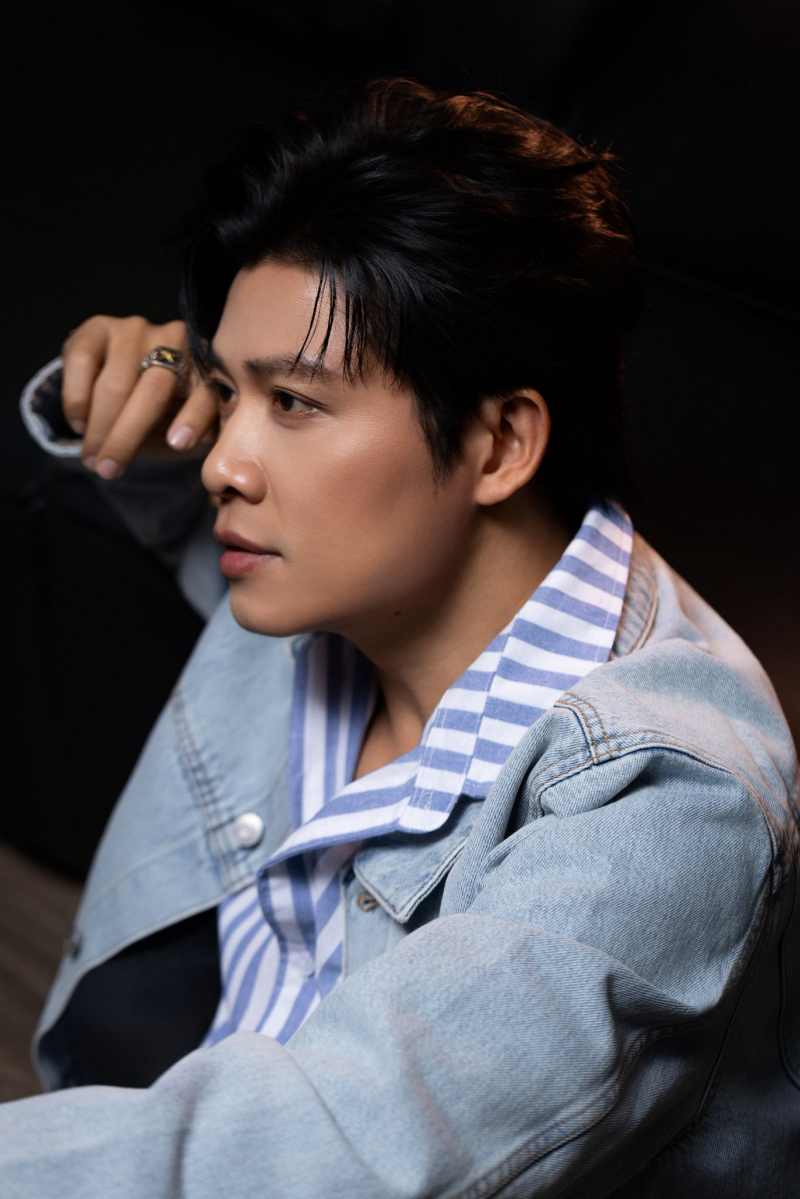
Musician Nguyen Van Chung frankly acknowledged: "When AI can imitate singers' voices or blend creative styles to create new products, the boundary between creativity and copyright infringement is very blurred. Everything is only at the level of feeling, feeling, and cannot be proven yet.
The core cause of this situation lies in the operational nature of AI. Unlike humans, AI does not copy works linearly, but learns from huge data blocks, and then creates new results based on probability. This makes it almost impossible to separate the level of "borrowing" in a piece of music if applying assessment criteria that are built for human creativity.
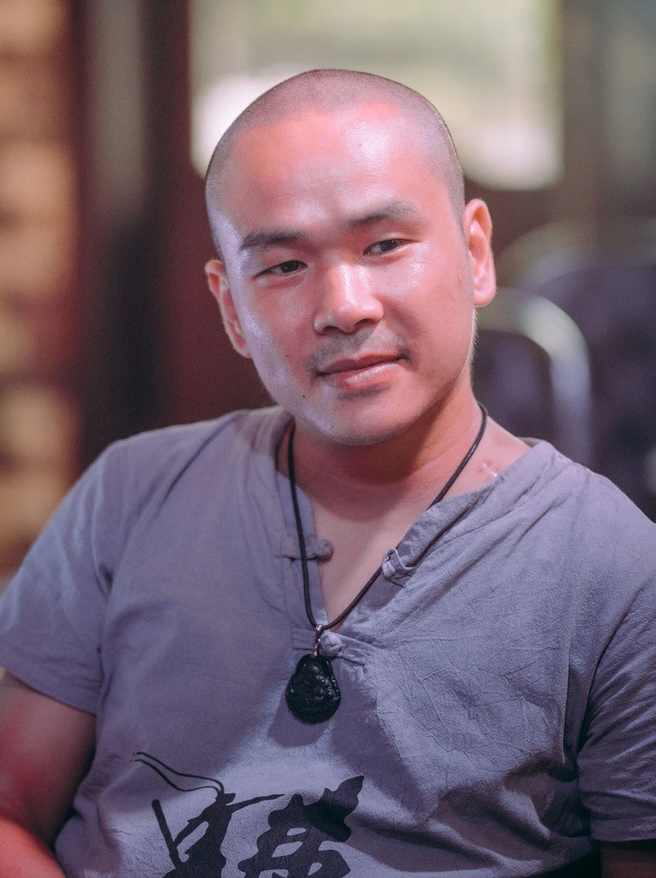
Musician Ha Anh believes that, technically, "exactly dissecting the level of'borrowing' of AI is very difficult, even almost impossible", because AI does not leave clear traces of copying.
The legal gap becomes even clearer in cases of imitating singers' voices or copying creative styles. This is a controversial phenomenon, when AI products can confuse the public with the singing voice or style of real artists, while the subject behind them is not subject to corresponding legal liability.
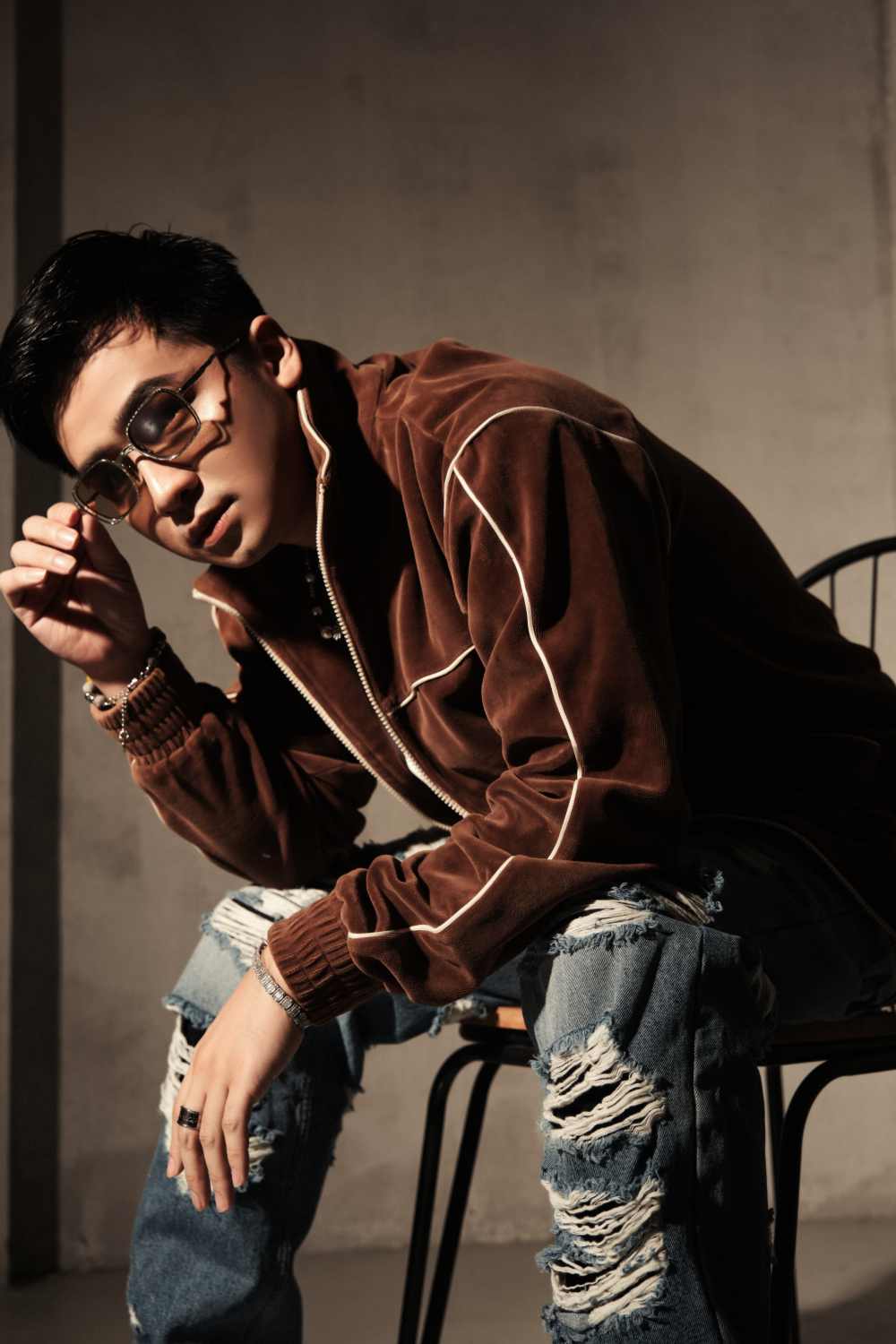
Musician Duc Thinh affirmed that this is a clear violation of personal rights and copyright, which must be eliminated. But in reality, Vietnamese law currently does not have specific regulations to handle the act of imitating voice with AI in digital space.
Another difficulty is determining legal responsibility when violations occur. In the case of a music product created by AI infringing copyright, the responsibility lies with the user of the AI tool, the algorithm development unit or the content distribution platform? When the relevant subjects have not clearly established their responsibilities, the rights of musicians and singers are easily neglected, and the law enforcement process becomes confused.
Need for building a suitable management framework
Faced with the current situation, many opinions believe that it is not necessary to build a completely new law. However, current regulations need to be updated to keep up with the development of technology.
Musician Ha Anh emphasized: "AI management is not aimed at hindering creativity, but to establish a legal corridor to ensure fairness in the industry".
From an enforcement perspective, musician Nguyen Van Chung believes that building a management framework for AI music requires an inter-sectoral approach: "To build separately, there must be a younger team, understanding copyright, music and technology". According to him, if the law continues to operate according to the old thinking, the gap between creative practice and management capacity will increasingly widen.
In the long term, the completion of the legal framework for AI music needs to aim for minimum principles such as transparency of product origin, clear notes when using voice or imitation style, as well as a mechanism for asking for permission and sharing benefits for original works.
This is not only a technical solution, but also a necessary condition to protect copyright, personal rights and maintain the core values of musical creation in the context of technology continuing to develop faster than the regulatory capacity of the law.