
On the morning of June 11, the Literature exam for high school graduation 2026 quickly became a topic of discussion on social networks when a series of global technology icons including Steve Jobs, Elon Musk and Mark Zuckerberg appeared.
No longer limited to familiar literary materials, this year's exam questions directly bring the story of technology, creativity and aspiration to rise up into the social commentary section with the question: "How to have Vietnamese Steve Jobs?
The appearance of names that are familiar in the technology world immediately made many people curious: who are Steve Jobs, Elon Musk and Mark Zuckerberg who have such great influence that they entered the Literature exam?
Steve Jobs – the person behind the iPhone revolution
Steve Jobs was born in 1955 and died in 2011. He was the co-founder of Apple - the technology corporation behind a series of famous products such as iPhone, iPad, MacBook or iPod.
The name Steve Jobs is often associated with stories of creativity, different thinking and the ability to turn bold ideas into products that change the world.
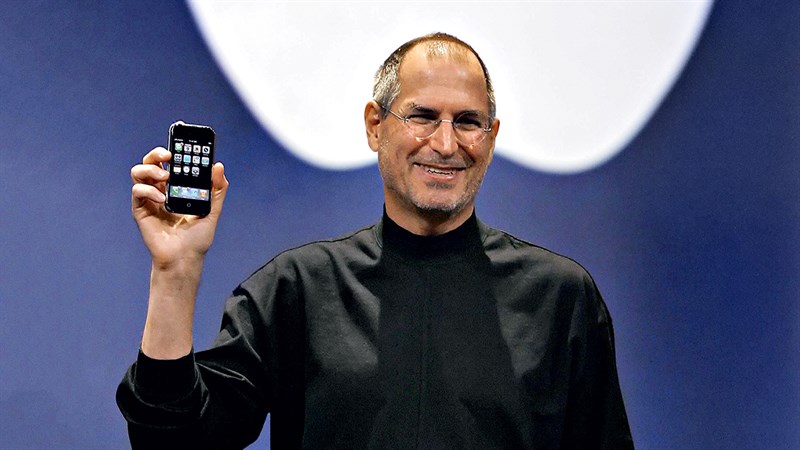
Not only creating one of the most valuable brands on the planet, Steve Jobs is also considered a symbol of the spirit of daring to think big and pursue innovation to the end.
Elon Musk, Mark Zuckerberg and global technology dreams
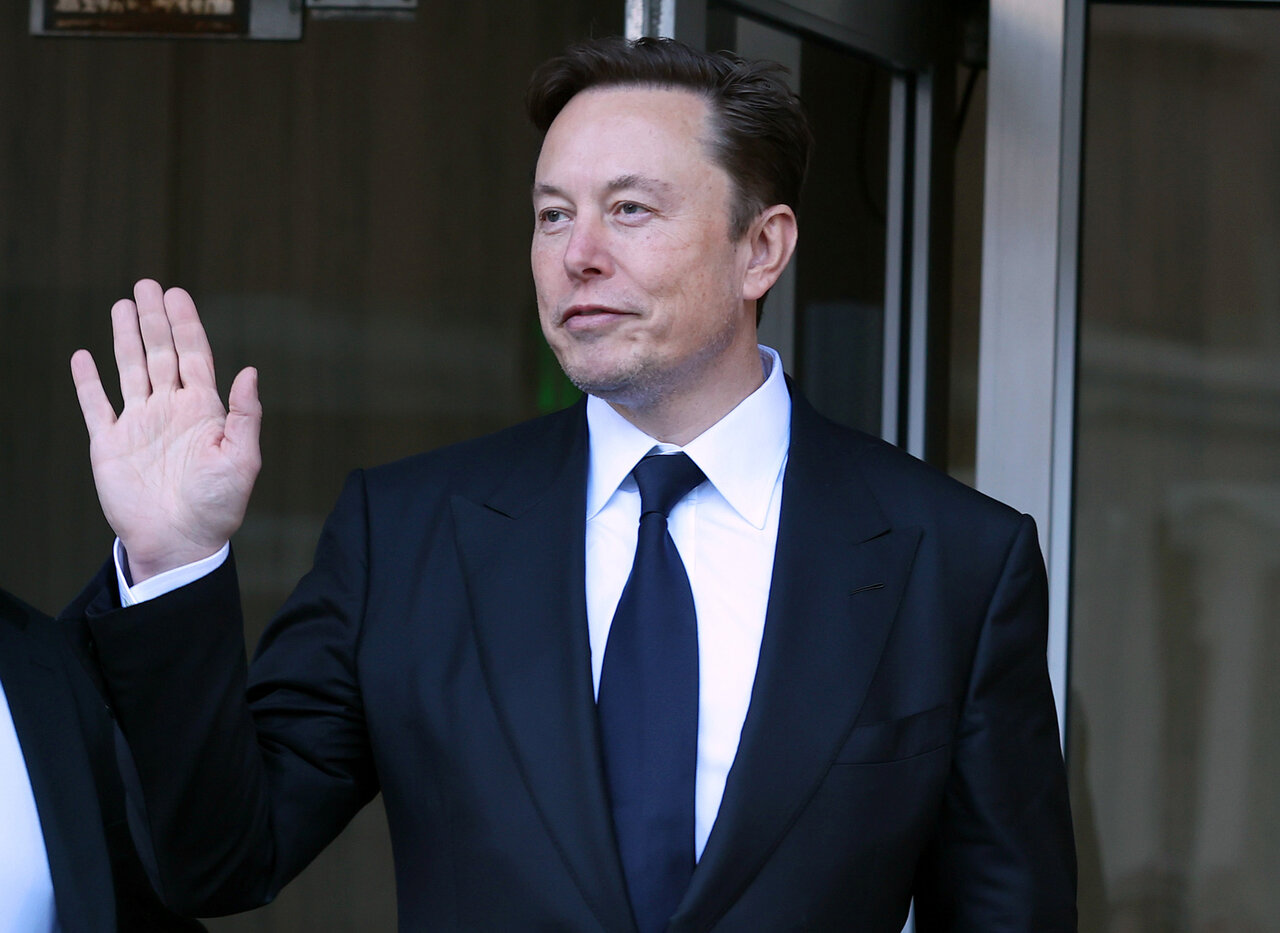
Elon Musk is not only famous for his ambition to redefine the future of technology but is also considered one of the most influential businessmen in the world today. He is behind a series of breakthrough projects, from electric cars with Tesla, space conquest technology with SpaceX, to research on artificial intelligence and brain connection with computers. Elon Musk's bold ideas are often seen as symbols of the spirit of daring to think big and constantly innovating.
Meanwhile, Mark Zuckerberg is the co-founder of Facebook, and currently the leader of Meta - the corporation that owns Facebook, Instagram and WhatsApp. From a startup project in a university dormitory, Zuckerberg has contributed to changing the way billions of people around the world communicate, connect and access information in the digital age.
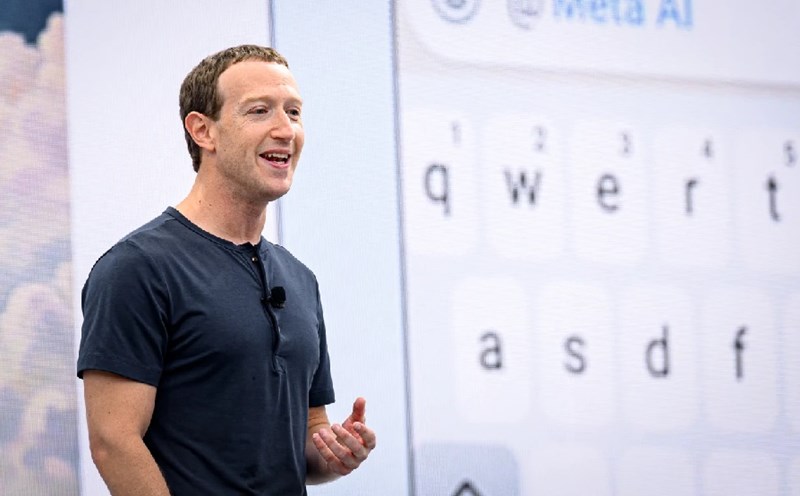
The point that makes Steve Jobs, Elon Musk and Mark Zuckerberg often placed next to each other is not only in fame, but also in the imprint they create on the world: people who dare to think differently, dare to experiment and turn seemingly impossible ideas into products, the foundation that changes the way people live, work and connect.
The appearance of technology symbols in this year's Literature exam is therefore not simply surprising, but also shows that education is moving closer to real life. Stories about technology, innovation, entrepreneurship and adaptability in the digital age are gradually becoming materials for students to contemplate, debate and express their views.
From the three global technology symbols, the exam questions not only stop at mentioning outstanding individuals but also open up a broader reflection on the future of Vietnam's creative resources. How to build an environment where different ideas are encouraged, the spirit of daring to experiment is nurtured, and young people have enough conditions to turn aspirations into real values? Further, it is the story of education, the innovation ecosystem, and the ability to build a generation of Vietnamese people who are brave enough not only to catch up, but also contribute to shaping the new technology era.


