
On the afternoon of March 30, Vice Chairman of Hanoi People's Committee Vu Thu Ha chaired a meeting with leaders of departments, branches, and localities on the implementation of the high-quality school model for the 2026-2027 school year.
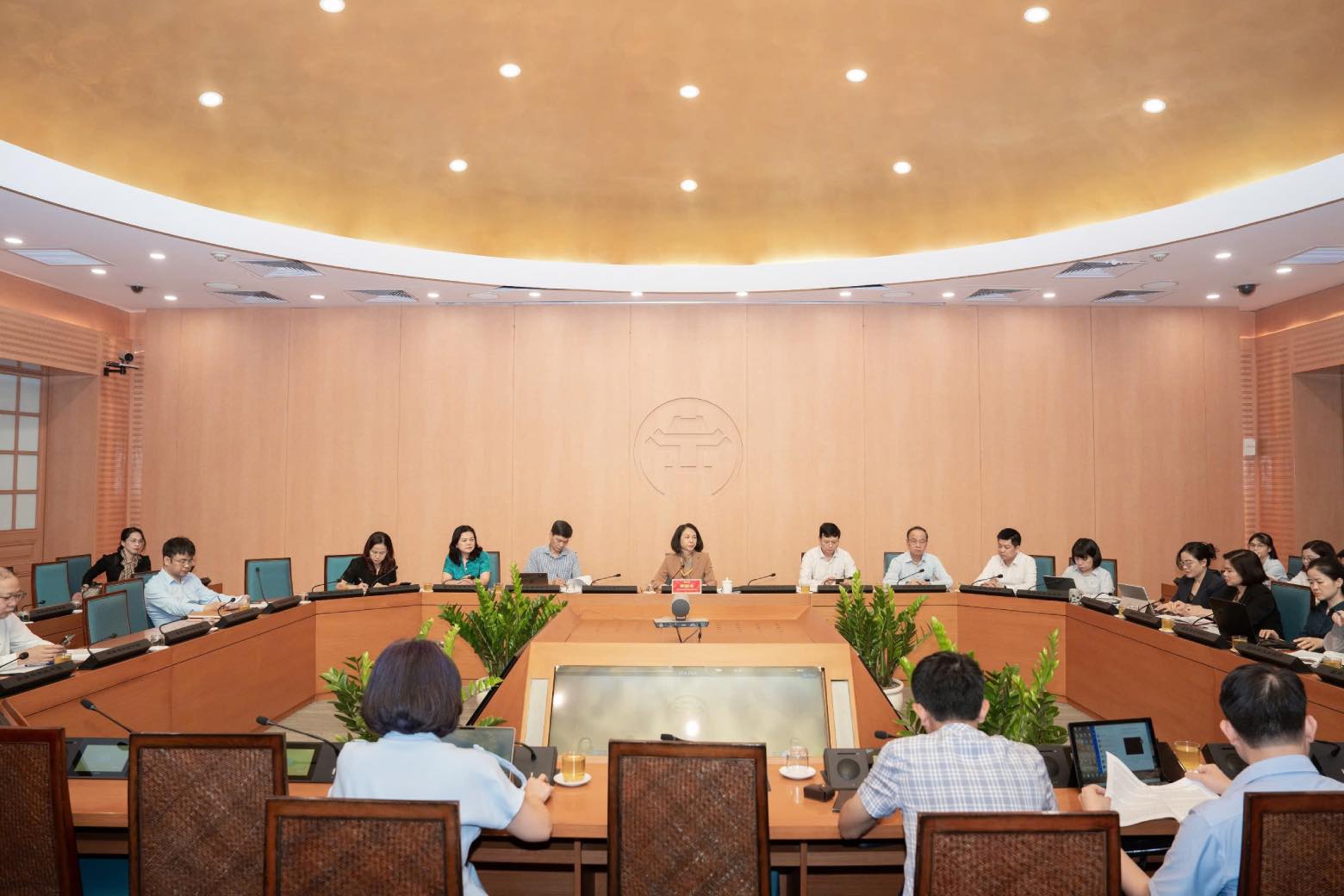
Ensuring titles are associated with real quality
Reporting at the meeting, Deputy Director of Hanoi Department of Education and Training Pham Quoc Toan said that compared to previous regulations, this high-quality school model is not only a technical adjustment, but also a change in the approach to education development.
Notably, there are 7 highlights about the high-quality school model.
First, shift from management according to input criteria to quality management according to "the entire life cycle", with full stages of recognition, periodic evaluation, inspection and recall, ensuring substance.
Second, the upcoming high-quality school model shifts from rigid criteria to an open standard framework; taking national standard level 2 as the foundation, while allowing schools to develop beyond standards according to their own orientation, creating identity and improving competitiveness.
Third, regarding the high-quality school's education program, it will include a foundation program and an advanced supplementary program. The program is designed to shift from enhancing content to designing an open, integrated, competency-oriented program, focusing on foreign languages, STEM, digital technology, artistic talent and sports...
Fourth, regarding quality control, shifting from one-time recognition to maintenance, regular supervision, having a mechanism for revocation, ensuring titles are associated with real quality.
Fifth, supplement the multi-level school model, create articulation in the system and stabilize input - output quality.
Sixth, improve team standards in the direction of meeting integration requirements, including foreign languages and digital competence.
Seventh, regarding finance, switching from the tuition fee mechanism to the price of educational services based on economic and technical norms, in which the State ensures that the basic part and the high-quality part are calculated correctly and fully. At the same time, the model also clearly defines management responsibilities between levels, in accordance with the organization of two-level local government.
The process of recognizing high-quality schools includes 6 steps: School develops a project; Department of Education and Training appraises; submits to the City People's Committee; decision on recognition; periodic assessment; revocation if not achieved.
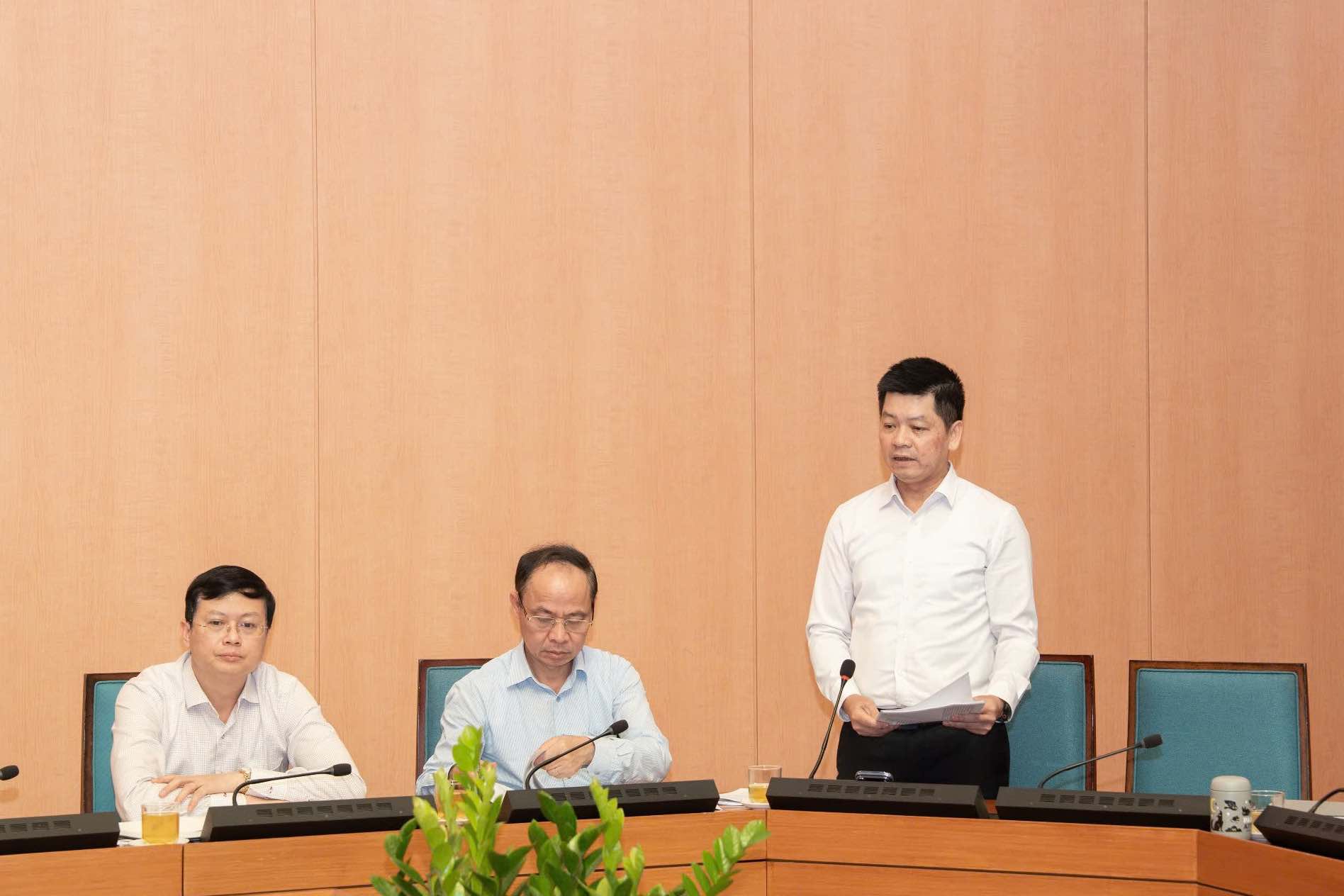
Transparency of appraisal and approval process
Expressing opinions on the draft model of high-quality educational institutions, representatives of Tu Liem ward proposed to specify more criteria for high-quality schools, especially in terms of facilities and staff. It is necessary to clarify the requirements for smart classrooms, interactive boards, functional rooms, libraries, software; clearly stipulate the ratio and role of the team of experts; and clearly distinguish them from mass schools. The appraisal and approval process also needs to be transparent, clearly defining the authority and application method.
Representatives of Bo De ward said that the criteria for facilities are still general, while the city does not have a separate list for high-quality schools. Therefore, schools want to have specific regulations as a basis for investment. Some opinions also suggested clarifying the implementation according to each grade level or the whole school.
Staff standards and output standards are contents of concern. According to the draft, the ratio of teachers above standard at the primary level is 20%, secondary level is 25%, and at the same time, 100% of teachers are required to have B1 English proficiency. However, reality shows that very few schools fully meet these criteria.
Basically agreeing on the direction of implementing the high-quality school model based on the comments, Vice Chairman of Hanoi People's Committee Vu Thu Ha emphasized that this is a unique model of Hanoi stipulated in the Capital Law and concretized through the Action Program to implement Resolution No. 71-NQ/TW, Resolution No. 02-NQ/TW of the Politburo on building and developing Hanoi Capital in the new era. After more than 10 years of piloting this model, the new context requires a clearer and more substantive approach, in order to expand access opportunities for students.
According to Ms. Vu Thu Ha, the high-quality school model will be adjusted in the direction of expanding the scope but still ensuring quality. The city assigned the Department of Education and Training to take the lead in fully absorbing the opinions of agencies, units, and localities to complete the draft to replace current regulations.
The development of criteria needs to closely follow the reality of each level of education, based on specific surveys to come up with appropriate and feasible plans; and at the same time ensure completion progress before April 10, 2026.
Hanoi City currently has 23 high-quality schools recognized by the City People's Committee, including 17 public schools and 6 non-public schools.


