
Building a "Happy School" is becoming a direction that many educational institutions in Ninh Binh province are focusing on, with the goal of creating an environment for students to feel safe, respected, listened to and have joy every day going to school.
At Dinh Tien Hoang Secondary School, Hoa Lu ward, Ninh Binh province, the construction of a happy school is implemented from close activities. Students are guided on self-protection, environmental protection, compliance with safety regulations; lessons are strengthened with experiential activities, linking lessons with specific actions in life.
The school space is also carefully cared for with green trees, clean campus, and friendly toilets. Every week, teachers and students take care of trees and clean classrooms.
Notably, the school maintains the "What I want to say" mailbox, through which students can share their thoughts and wishes with teachers. This is also a way for teachers to understand students better and promptly support them when they encounter difficulties.
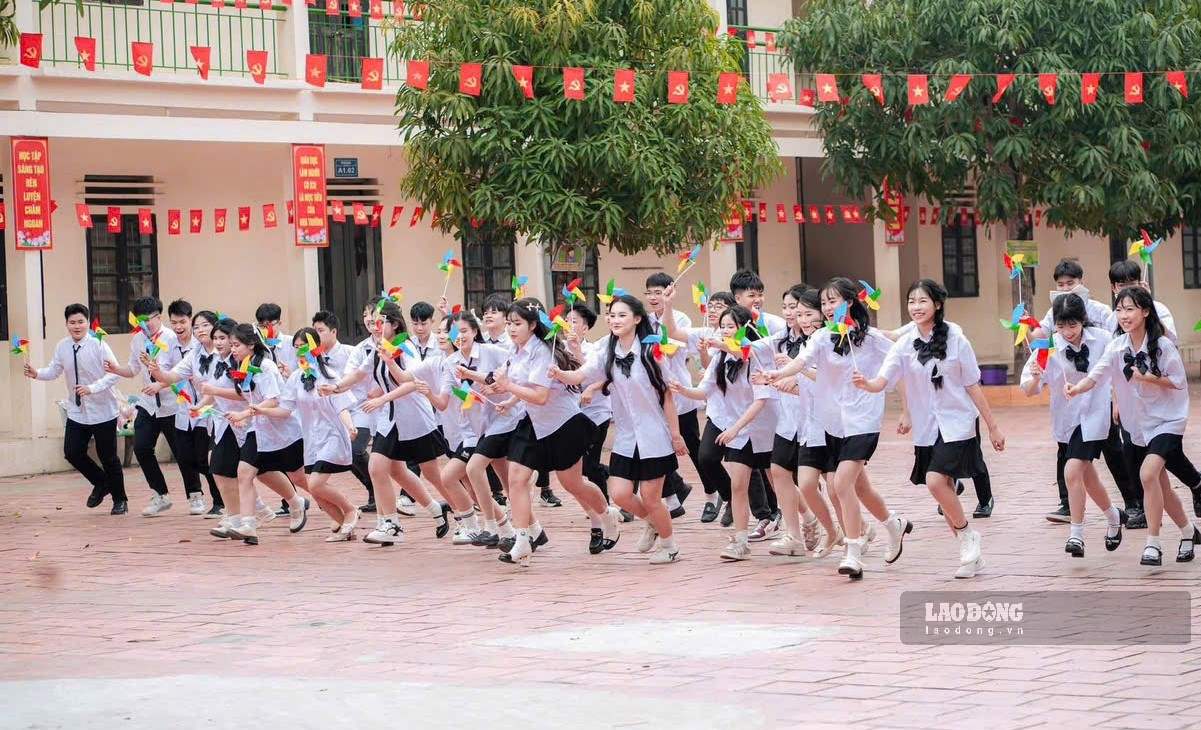
At Ninh Khanh Elementary School, Hoa Lu ward, the model is concretized by the rule "3 no, 3 yes": no language violence, no imposement, no ethical violations; having love, respect, responsibility. Teachers are focused on fostering skills in behavior, regulating emotions and listening to students. STEAM activities, extracurricular experiences, nature corners, relaxation corners are also organized to increase students' initiative and excitement.
A noteworthy point of the model in Ninh Binh is that the concept of "happiness" is not only limited to the school landscape but is increasingly placed in the overall educational environment.
Mr. Pham Tien Dung - Head of Quality Management Department (under Ninh Binh Department of Education and Training) - said that according to regulations on building Green - Clean - Beautiful - Safe - Happy schools of Ninh Binh Education sector, happiness criteria include the implementation of democracy regulations and codes of conduct; organizing school counseling; building a positive and humane pedagogical environment; respecting and listening to learners.
Teaching methods are also required in the direction of creating excitement, promoting initiative, creativity and accepting differences of each student. Schools increase experiential activities, life skills, culture, sports and community activities suitable for each age group.
In particular, the satisfaction level of teachers, students and parents is included in the periodic survey content. For students, the factors of concern include feelings of love, desire to go to school, proactiveness in learning, teaching methods and friendships. The survey results are the basis for continuing to improve the educational environment.
In fact, many schools in the area have their own ways of doing things. Nguyen Hue High School focuses on experiential activities, career guidance, psychological counseling and sports playgrounds; Le Hong Phong Secondary School increases collective activities, creative experiences; Thien Ton Kindergarten creates space for children to participate in taking care of green trees, preserving the environment, and learning through play.
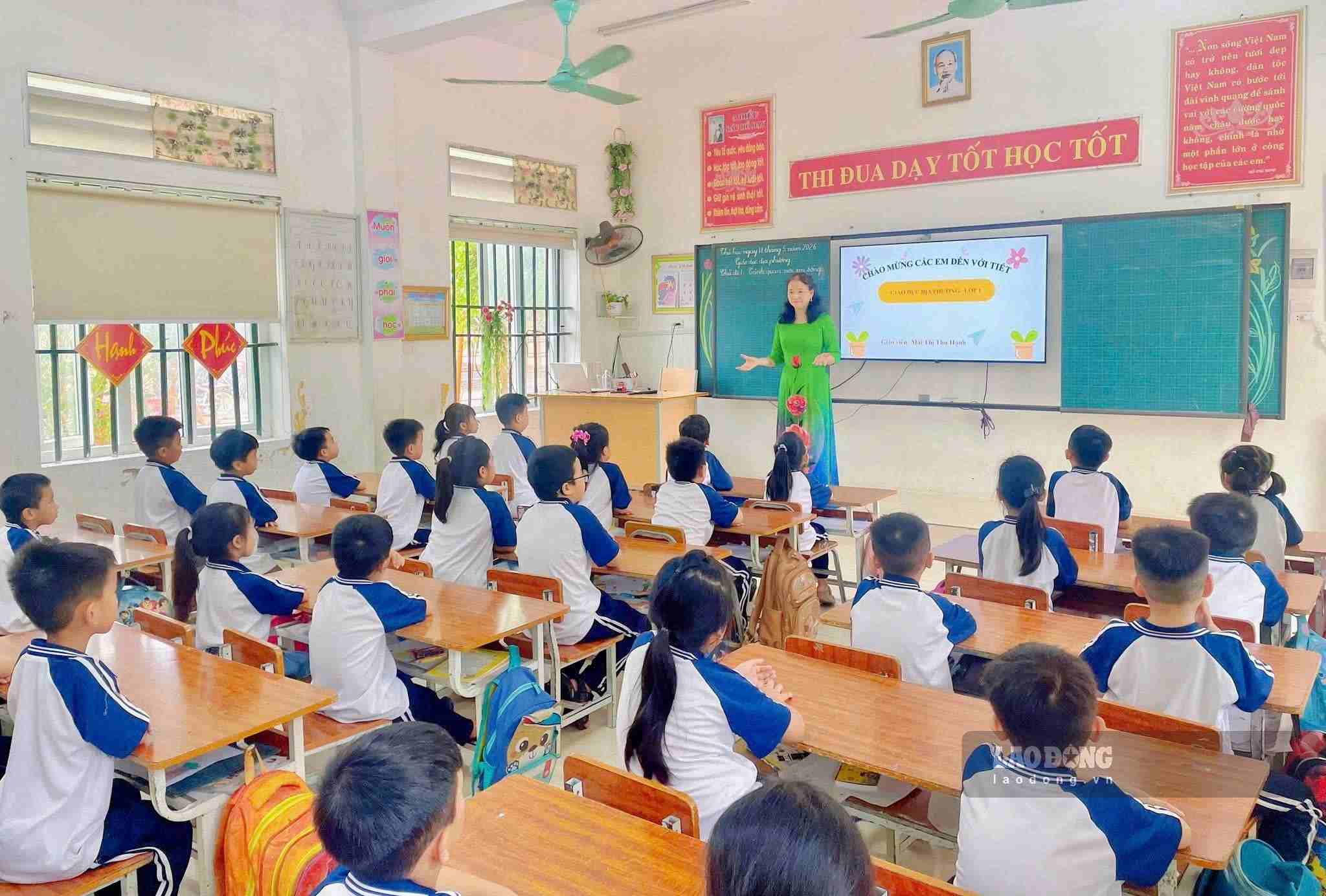
The Ninh Binh Education sector's development of unified standards for preschool, general education and continuing education institutions also creates a basis for the model to be deployed more synchronously throughout the province.
From changes in teaching methods and behavior to learning space, happy schools are gradually becoming regular work instead of a short-term movement. When students want to go to school, teachers have an active working environment and parents are accompanied, the value of the model is also reflected in specific changes in the educational environment" - Mr. Dung shared.


