The mentality of "do as you please
Business households have entered the new tax declaration regime, ensuring the principle of "self-declaration, self-payment, self-responsibility". However, some business households are still in a state of "doing it first and calculating later".
Mr. Vu Van Tuyen (Le Chan ward, Hai Phong) - business owner of a fashion store who still has concerns about the tax threshold said: "For applying new taxes, we still have to comply, but the tax threshold needs to be based on different business items to issue regulations. Taxing based on fixed tax or revenue tax is not as important as the issue of transparency for each item".
According to Mr. Tuyen, the business of items from household appliances to food and groceries or fashion needs to have a separate level. For example, clothing stores, the profit level between domestic and Chinese goods is differentiated.
If imported Chinese goods can make a profit of 50-70%, then the domestic brand goods I sell only reach about more than 20%. The store also operates in parallel with two lines: deposited goods and goods imported with capital. With deposited goods, businesses bear inventory risks, so the store only enjoys a profit of more than ten percent" - Mr. Tuyen expressed.
As for self-imported goods, Mr. Tuyen added that he currently has to bear all inventory, operation, and labor costs, although in theory the profit can reach 30-35%, but in reality it is not easy.
Mr. Tuyen gave an example, importing a shipment of 100 million VND but inventory of 20 million VND, the inventory must be sold at a loss, even reduced by 50-60% to be pushed away.
Looking at the papers, the fashion industry seems to have high profits, in fact, domestic sellers have to bear many risks. Not to mention, the store also has to hire 3-4 regular workers, site costs, electricity and water..., making the profit problem increasingly difficult" - Mr. Tuyen shared.
As for small traders selling fruits at people's markets like Ms. Do Thi Huong (Hai An ward, Hai Phong), the conversion to tax declaration is still quite "vague".
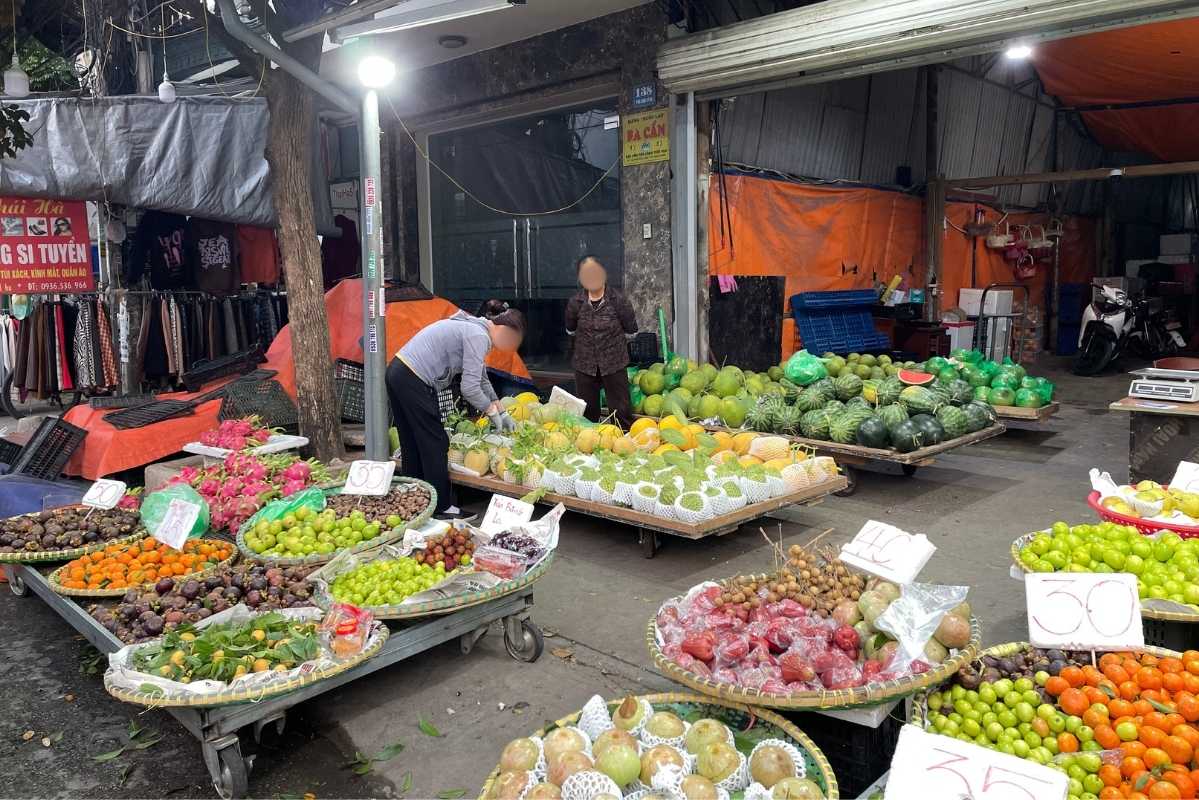
We still sell goods as usual, business operations cannot stop, do it and then continue to calculate. Invoice issuance also needs to be based on revenue, if it exceeds the threshold, there are some items that have not had invoices before, I also have to manage. I only heard that I will have to make tax returns and statements" - Ms. Huong worried.
Ms. Huong said that business households all want to "sell as much, declare as much, pay taxes", but what worries small traders the most is the lack of specific and easy-to-understand guidance.
For agricultural products and fruits traded seasonally, taking goods from many different sources, not always having input invoices, making inventories, determining actual revenue or how to declare in accordance with regulations is still a major barrier.
We are not afraid to pay taxes, we only hope to be clearly guided to do right, do enough, avoid the risk of being fined for not understanding the law and feel secure in trading" - Ms. Huong said.
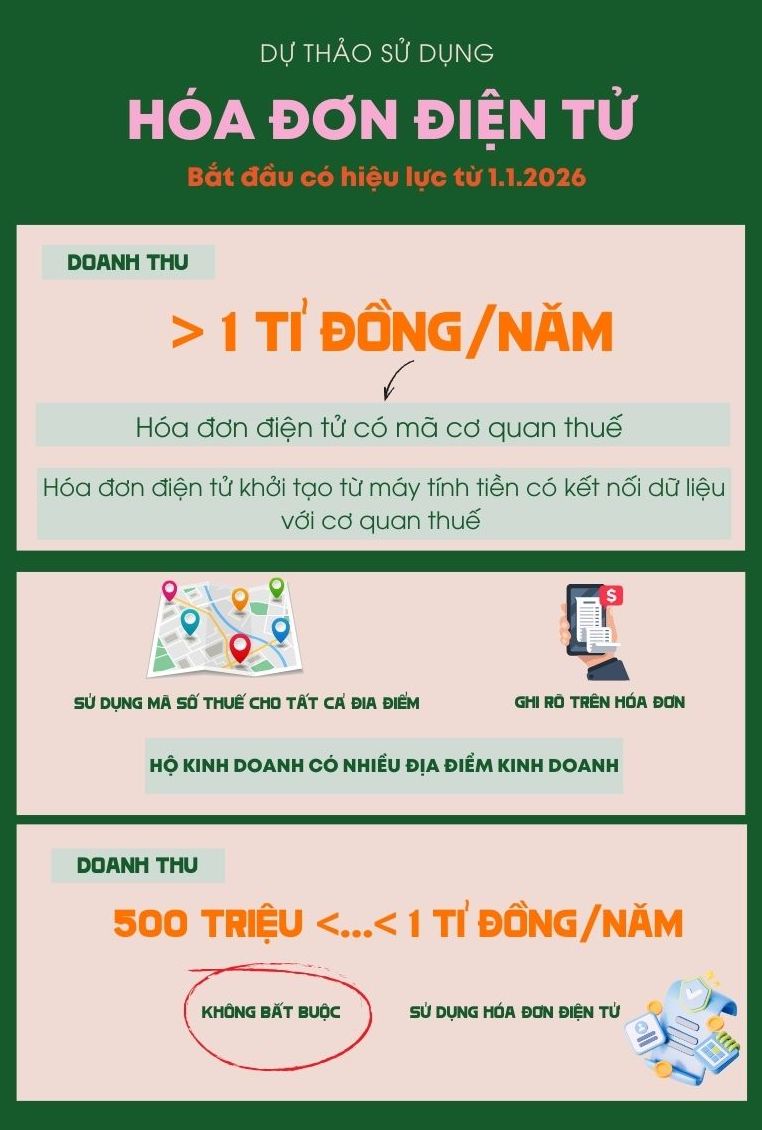
Draft to use electronic invoices for business households