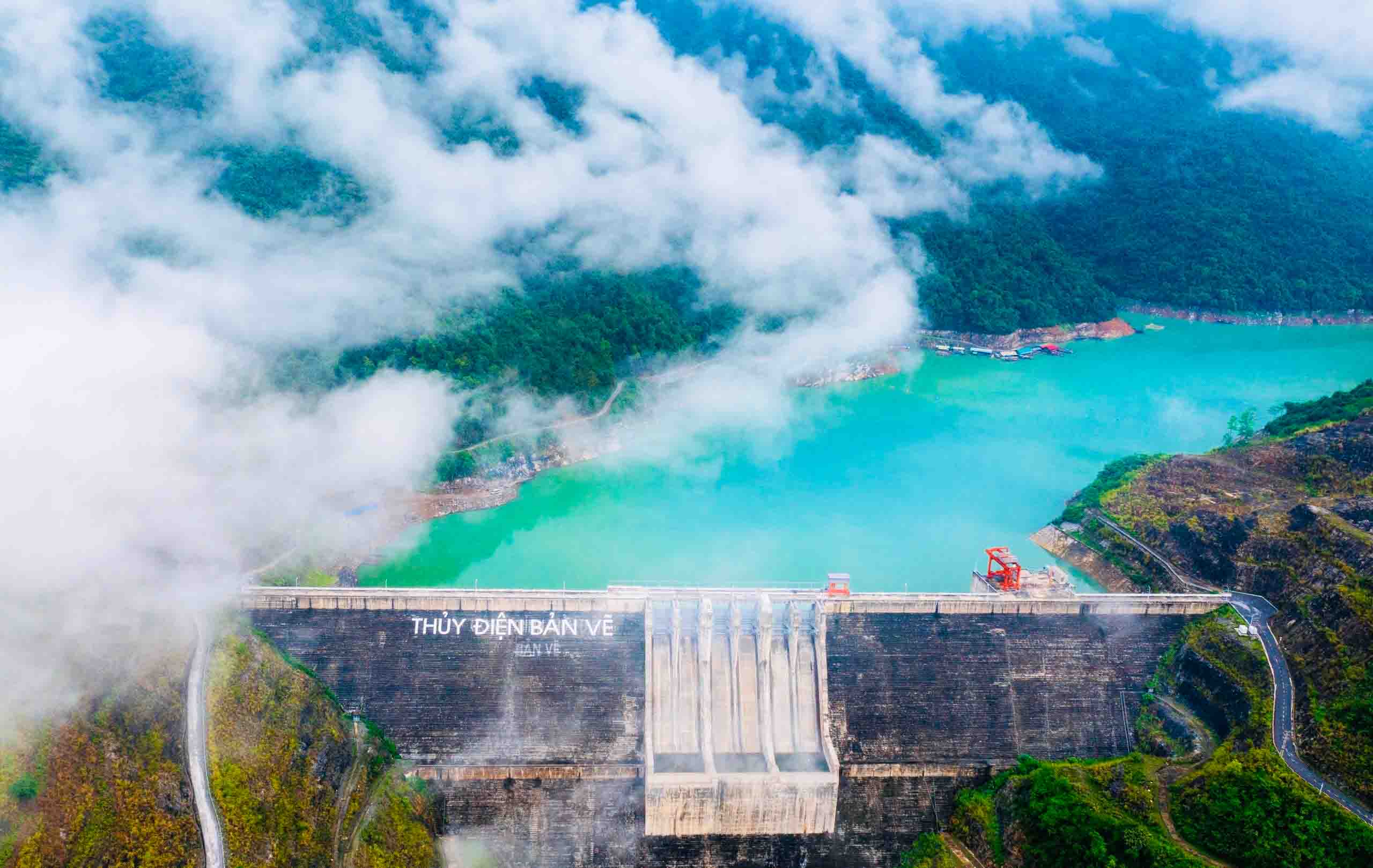
After more than two decades since the groundbreaking of construction (August 7, 2004), Ban Ve Hydropower Plant has not only become the largest hydropower plant in the North Central region but also an important pillar in the strategy of ensuring national energy security, preventing natural disasters and promoting socio-economic development in the mountainous areas of Nghe An.
From a large construction site in the mountains and forests of Tuong Duong, Ban Ve Hydropower Plant today has become a symbol of the will to conquer nature, of intelligence, bravery and the spirit of persistent dedication of many generations of cadres, engineers and workers in the electricity industry.
Energy pillar, "shield" of upstream areas
The Ban Ve Hydropower Project is built on the Nam Non River, a major branch of the Ca River, with an installed capacity of 320 MW, and an average annual electricity output of 1.012 billion kWh. The two plants connected to the national grid in April and May 2010, two months ahead of schedule in the context of a serious shortage of power systems nationwide. The early power generation of Ban Ve Hydropower Plant has contributed significantly to reducing the pressure of power shortages, especially during the dry season and the peak of the hot season in 2010.
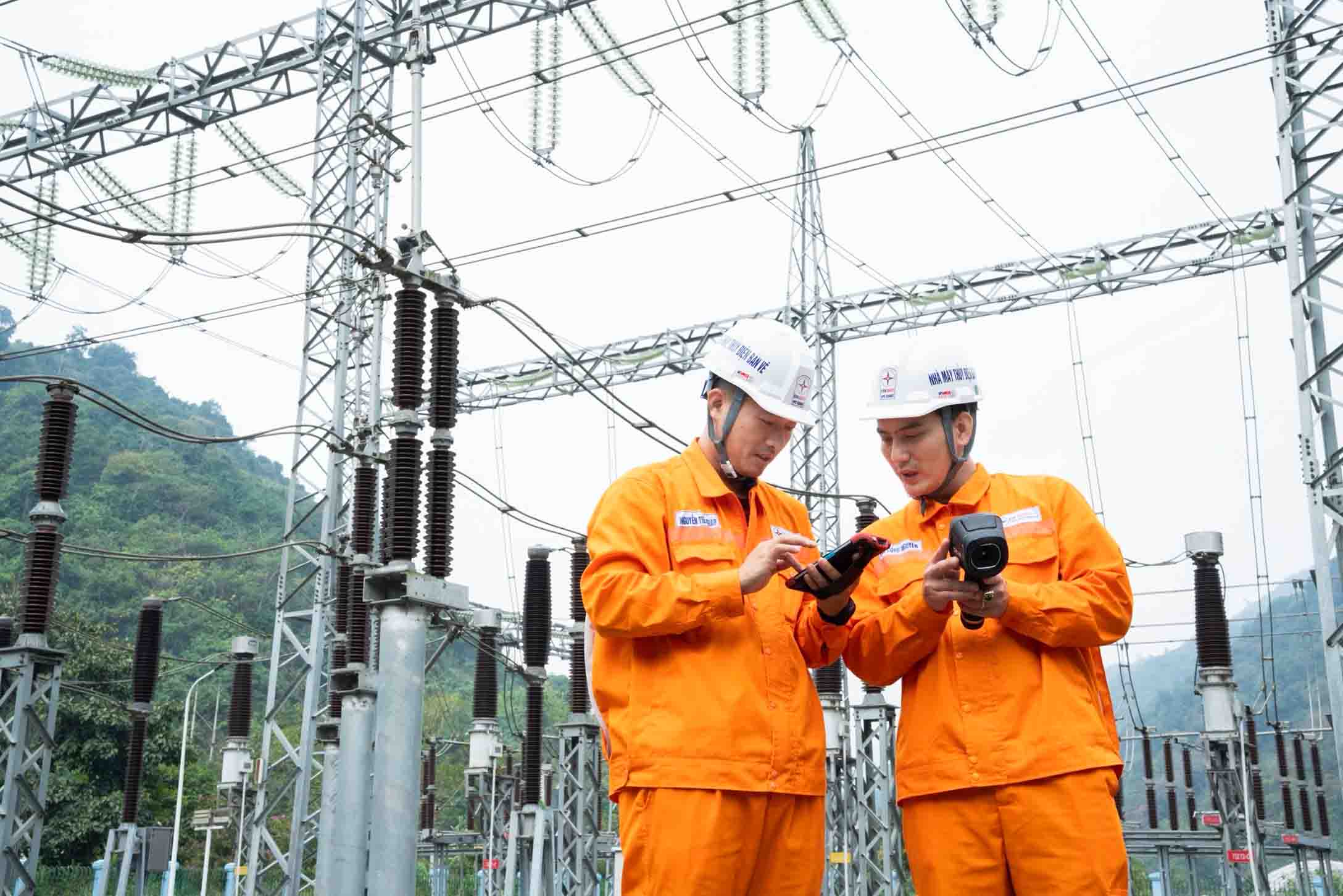
Ban Ve Hydropower Company was established in 2011 and transferred to the Corporation of Power generation 1 since 2012, the unit has gradually completed its governance model, improved operational capacity, and effectively participated in the competitive electricity market. The units are always operated safely, continuously and economically; technical indicators such as the available coefficient, the maintenance stopping rate, the self-use power ratio... all meet and exceed the plan.
After more than 15 years of commercial power generation, the plant's accumulated electricity output has exceeded 16 billion kWh, contributing thousands of billions of VND to the State budget, contributing significantly to ensuring a stable power source for the North Central region and the national power system. Notably, during the entire operation, the company has barely encountered serious incidents related to work accidents, fires or the environment, clearly demonstrating operational discipline and a sustainable safety culture.
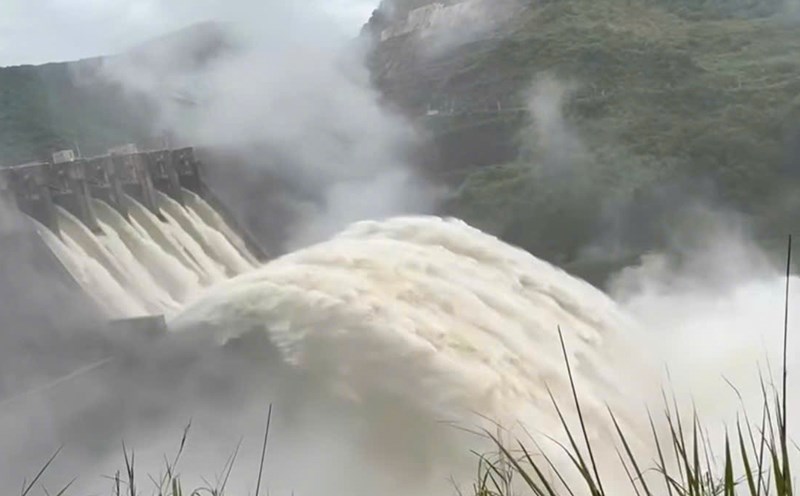
Not only completing the task of electricity production, Ban Ve Hydropower Plant is a multi-purpose project with the main task of providing domestic and production water for most of Nghe An province and most importantly, Ban Ve Hydropower Plant plays a particularly important role in natural disaster prevention.
With a reservoir capacity of 1.83 billion m3, a basin area of 8,700 km2, and a lake surface area of 45.85 km2, the project is considered a "shield" in the upper reaches of the Ca River. Strictly complying with the Inter-reservoir Procedure in the Ca River basin and the instructions of the Nghe An Provincial People's Committee helps the plant cut flood peaks and reduce floods to ensure safety for downstream areas during many heavy rains and floods.
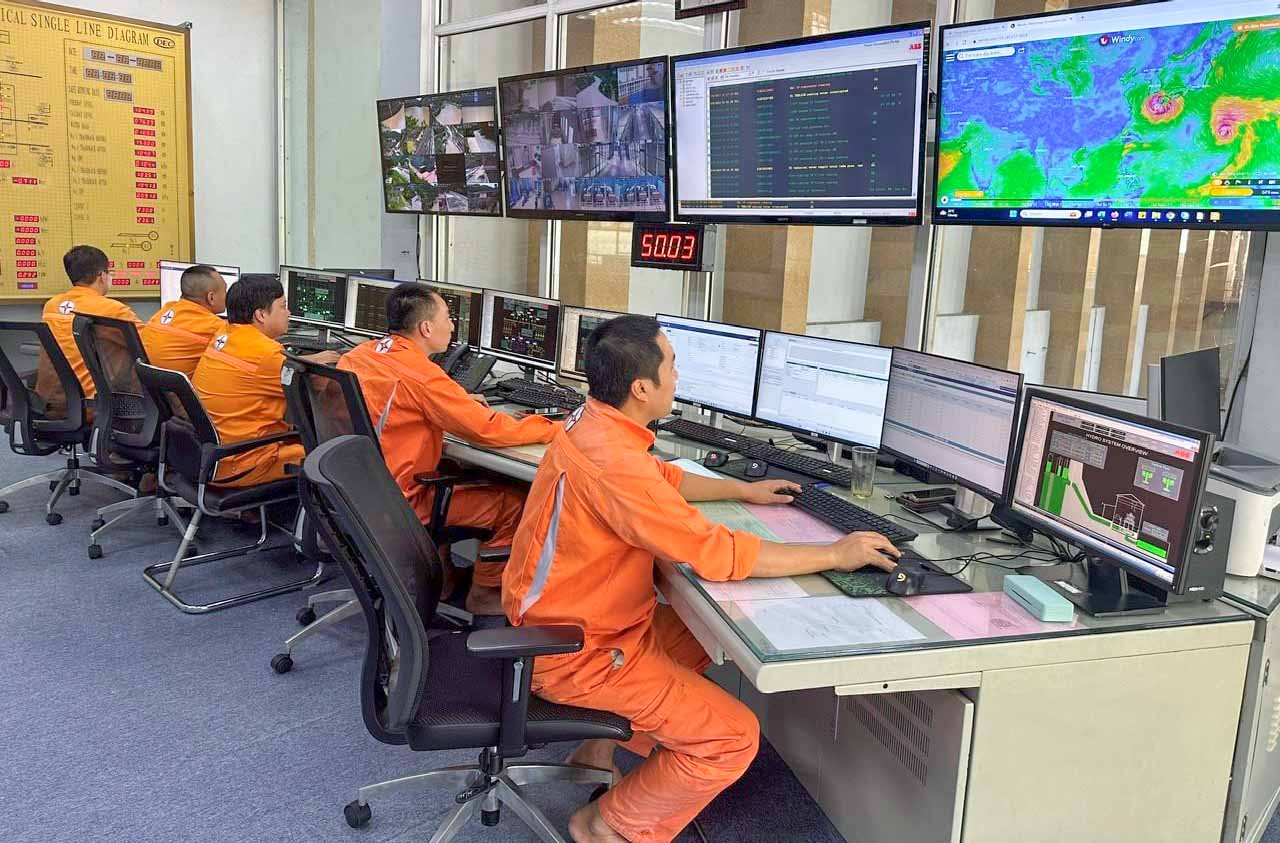
Along with that, the Company has invested heavily in rain and hydrological monitoring systems, installed dozens of automatic rain gauge stations in the lake area and surrounding areas, and collected data from monitoring stations in Laos. This data system helps improve the accuracy of forecasting, effectively serving the safe operation of reservoirs, especially in the context of increasingly complex climate change.
Linking production and business with social responsibility
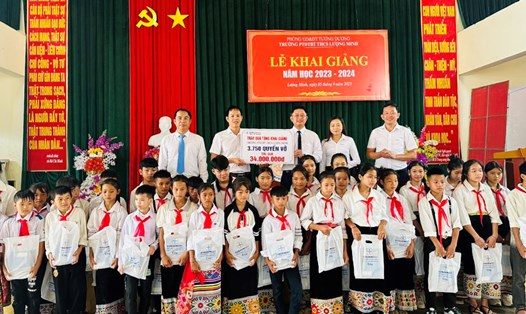
Along with the task of production and business, Ban Ve Hydropower Company always clearly defines its responsibility towards the community and the locality where the unit is located. Over the past two decades, social security work has become a pillar in the sustainable development strategy of enterprises.
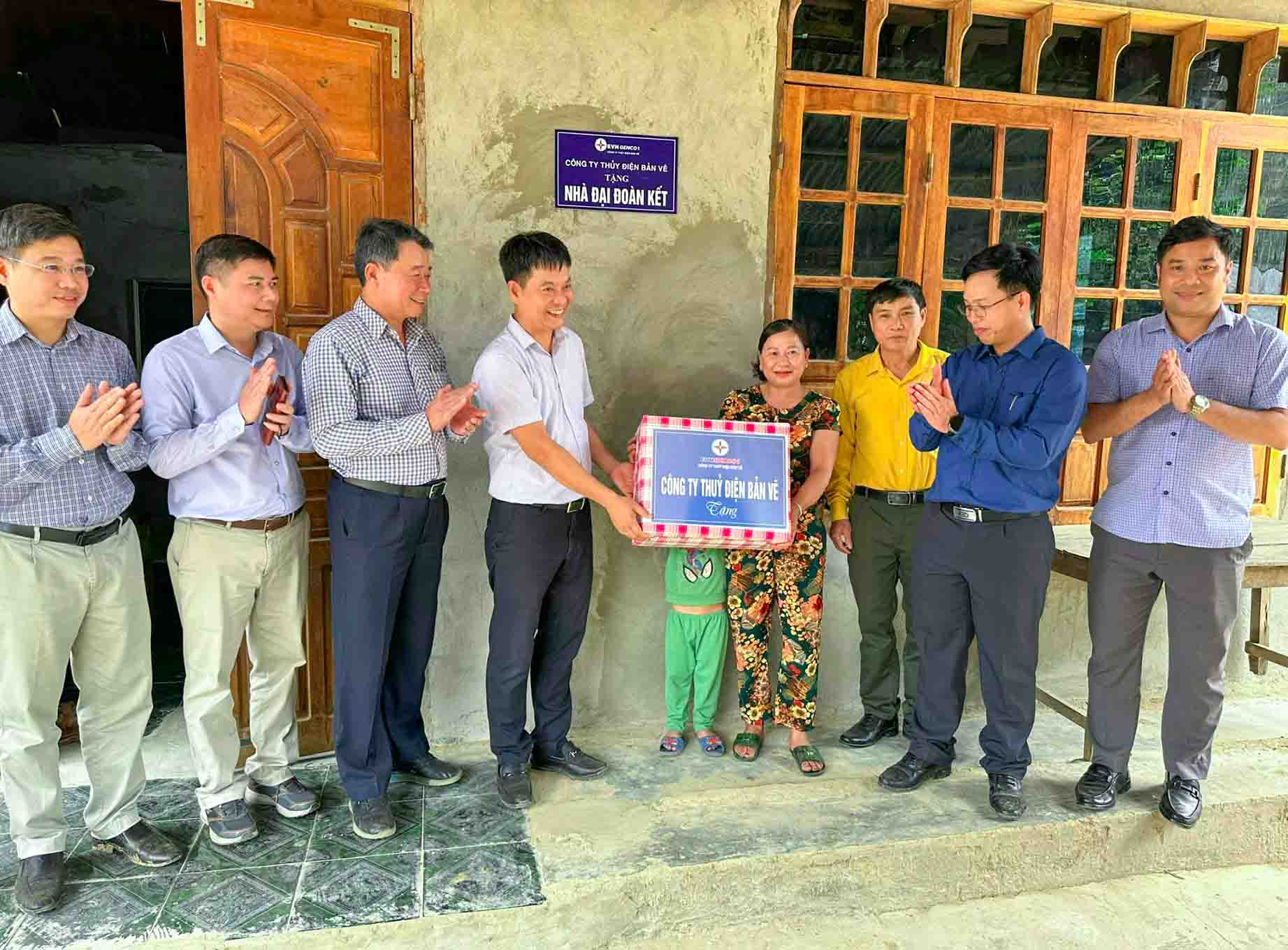
The Company has spent tens of billions of VND on hunger eradication and poverty reduction programs, supporting the construction of houses for disadvantaged households, investing in schools, health stations, supporting education, health care and overcoming the consequences of natural disasters in localities in the lake area and downstream. In recent years alone, the Company has spent billions of VND each year on activities such as "Tet for the Poor", supporting the construction of solidarity houses, giving scholarships and bicycles to poor students to overcome difficulties, helping many children continue to go to school.
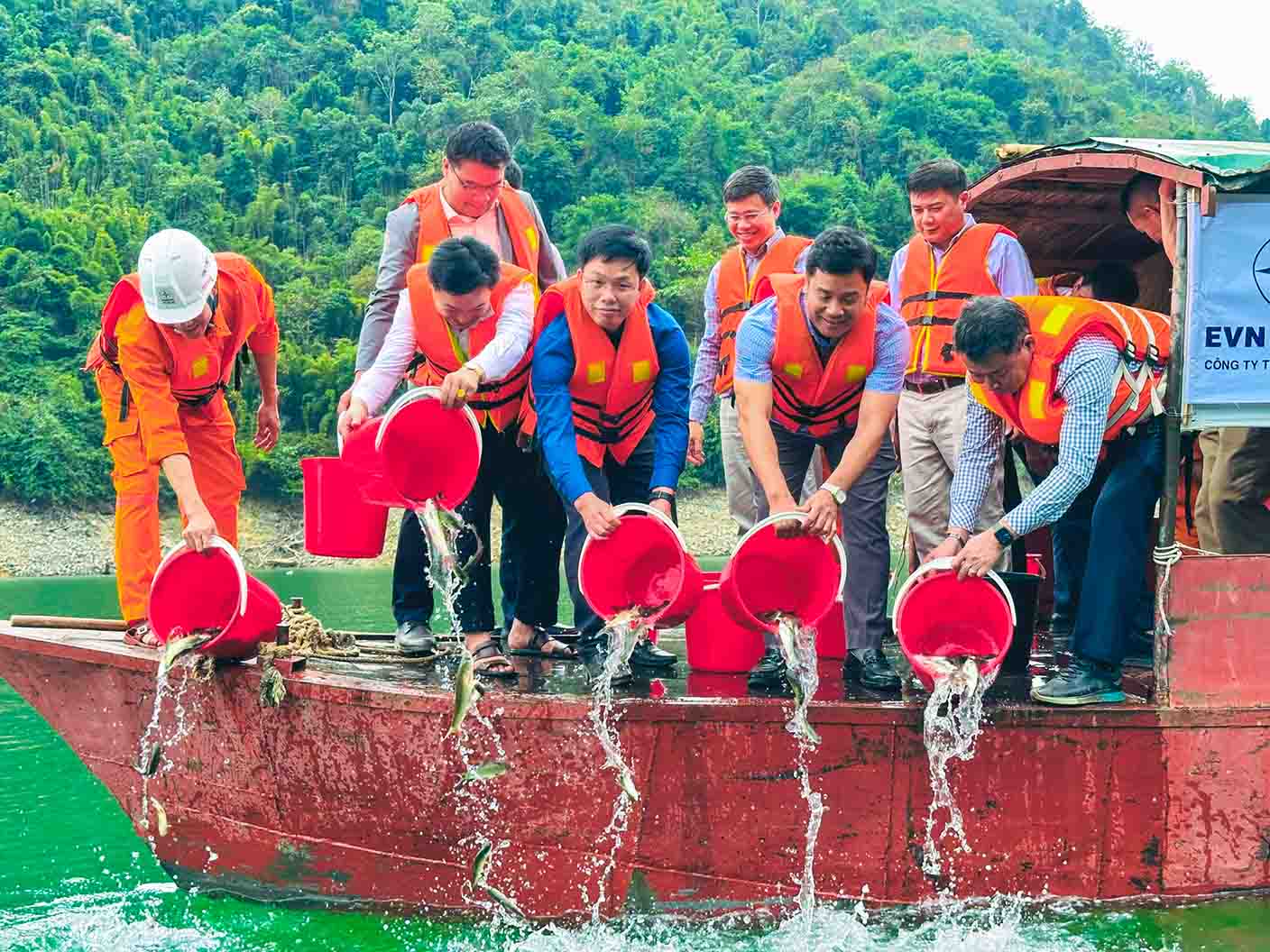
In addition, the Company also regularly maintains fish release activities to regenerate aquatic resources in Ban Ve Hydropower Reservoir. With a large water surface area, the reservoir is not only an irrigation - hydroelectric project but also an important livelihood space for local people. The regeneration of aquatic resources contributes to stabilizing life, opening up a direction for sustainable economic development for communes in the lake area.
The Company also pays special attention to community communication work. Every year, many propaganda campaigns on reservoir operation, flood discharge, downstream warnings, and safety protection of works are organized from the commune, village to school levels, helping people raise awareness, proactively prevent natural disaster risks, and at the same time create consensus in the process of operating the plant.
With comprehensive contributions in the fields of economy, society and environment, Ban Ve Hydropower Company has been honored by the State, Government, Ministry of Industry and Trade, Nghe An Provincial People's Committee and Vietnam Electricity Group with many noble awards, including the Third Class Labor Medal.
In the context of increasing electricity demand, the need to ensure energy security associated with green development and climate change adaptation is increasingly high, the staff and employees of Ban Ve Hydropower Company continue to strive to innovate governance, improve operational efficiency, maintain project safety and responsibility to the community.
The past 21 years are a solid foundation for the unit to continue to promote its pillar role, actively contributing to the sustainable development of Nghe An and the North Central region in the coming years.