
Exploring forest land
Mr. Tran Thanh Liem (commonly known as Ba Liem) when retiring returned to the forest land of U Minh Ha. On 7ha of land in Hamlet 10, Nguyen Phich commune, Ca Mau province, he spent 4ha growing melaleuca, and the remaining 3ha was renovated to grow fruit trees, raise chickens, wild boars, and raise field fish under canals and ponds. Each year, the model brings his family more than 500 million VND, and many people come to learn and replicate it.
I want to spend the remaining time taking care of and fulfilling my responsibilities to my family. But deeper down, I want U Minh people to see that, with their brains, labor and mastering modern science and technology, we can completely exploit the potential of U Minh forest land well, so that they create goods and generate profits no less than land in other regions," Mr. Ba Liem shared.
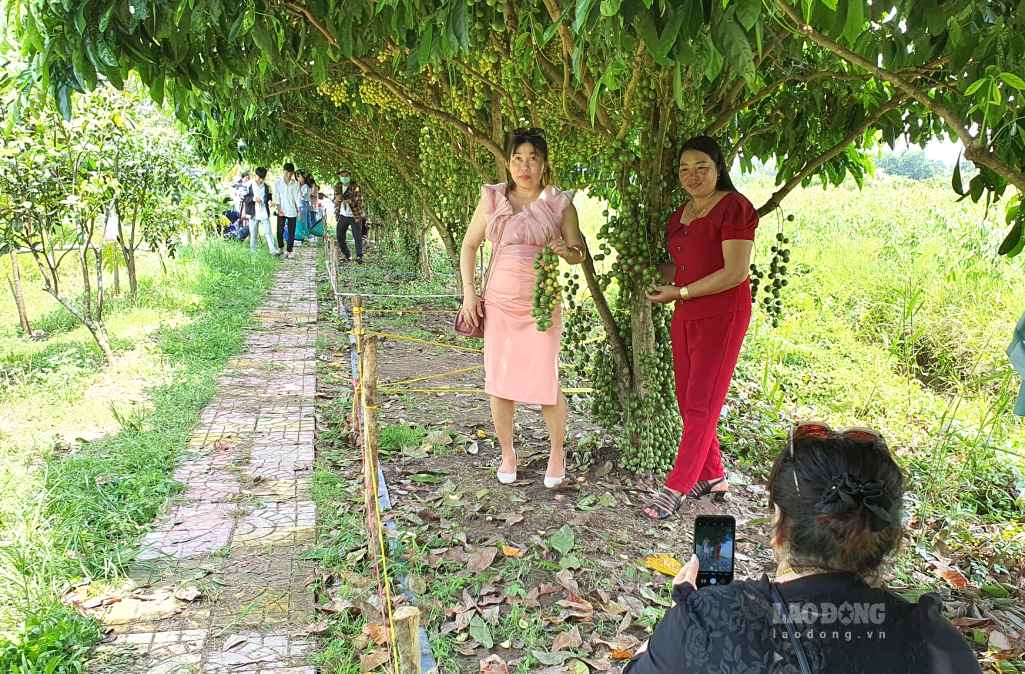
In the buffer zone of U Minh Ha National Park, Muoi Ngot community eco-tourism area, 60ha wide, has been operating since 2015. The large melaleuca area, quiet space, and remoteness from residential areas make this place an ideal "home" for wild bees.
Mr. Pham Duy Khanh - owner of the tourist area - has nearly 20 years of experience in beehives and honey harvesting. "Beehives are like building a house for bees to live in," Mr. Khanh said. The beehive maker welcomes wild bees to build nests. About half a month later, they can harvest. Each beehive can attract 2-3 batches of bees to build nests.
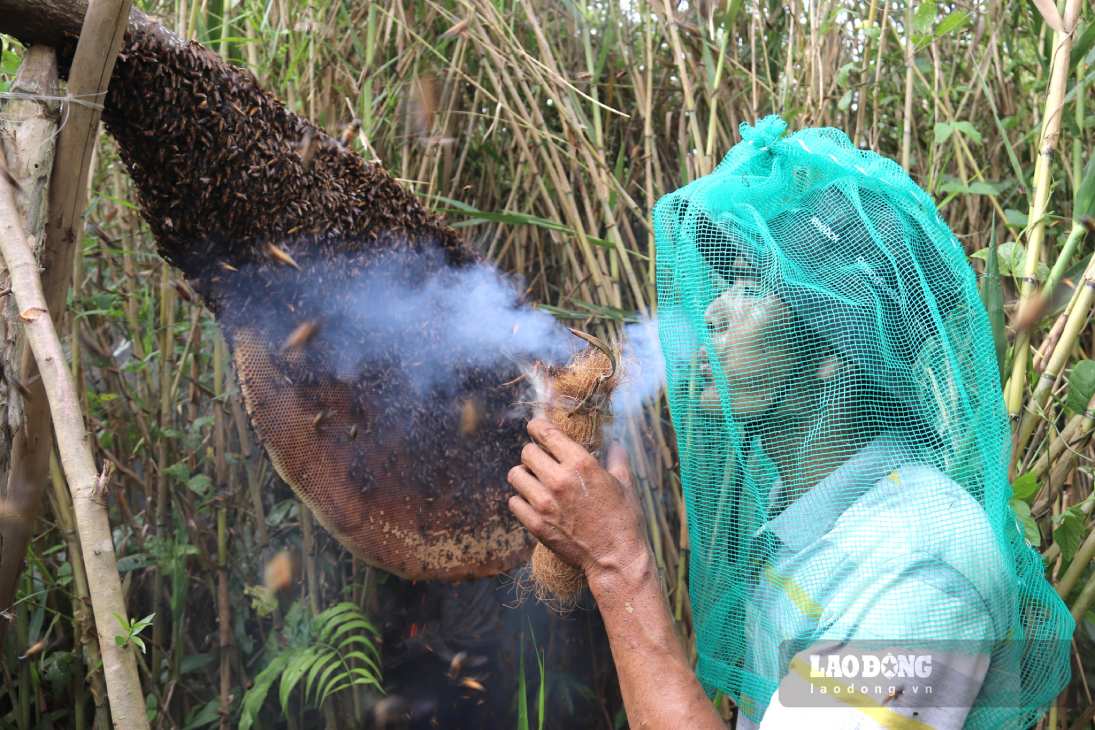
There is a beehive here more than 2m long, recognized by the Vietnam Records Organization as the largest beehive in Vietnam in 2021.
Turning "forest life" into a tourism product
About 30 years ago, U Minh Ha was still a difficult land to travel to, heavily polluted with alum, and people's lives were still very poor. Rice trees struggled to rise up, but many times they only sprouted white flags, and the grains were flattened. Pioneers gradually awakened this land so that U Minh Ha today became a destination.
Ms. Ngo Huynh Trang - Director of Ca Mau - Eco Eco Eco Tourist Area - said that the cajeput forest space is a different advantage: "When we skillfully reopen unique cultural values in the vast space of the cajeput forest, that is the shortest way to reach the hearts of tourists.
However, U Minh Ha tourism has not yet fully developed its potential. Mr. Tran Van Thao - Director of Vietravel Ca Mau branch - said that only about 30% of the unit's customers visit U Minh Ha. Customers are mainly outbound, staying for 1-2 days and low spending due to the lack of high-end services, shopping, and nighttime entertainment.
The zoning plan for building an eco-tourism, resort, and entertainment area in U Minh Ha National Park is expected to create an "ice rink" for development. Along with that, Ca Mau province is building new products, including the "U Minh Legendary Night" tour.
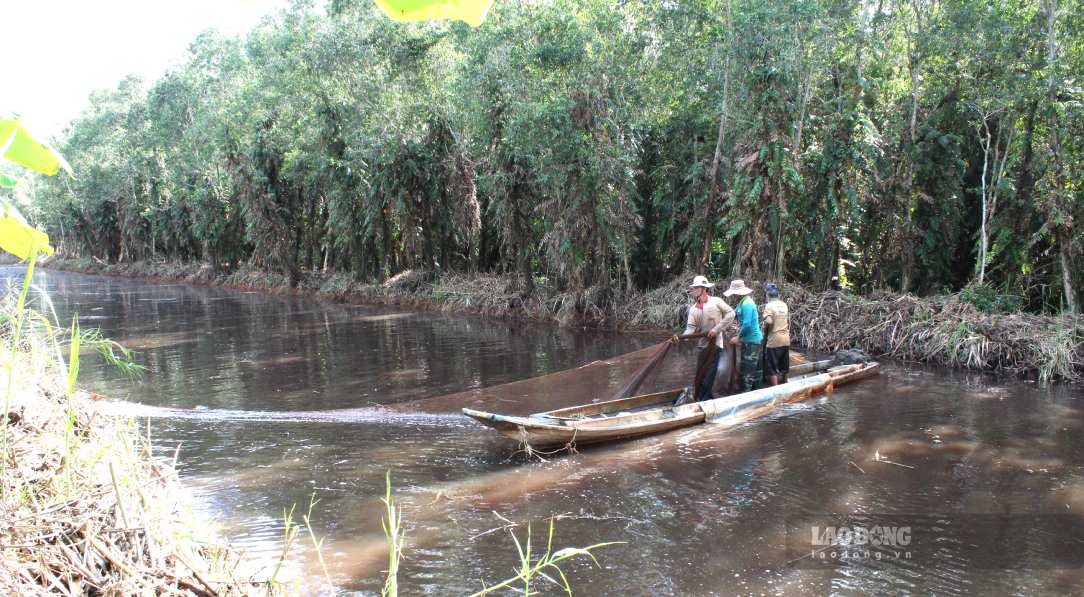
Not simply a sightseeing trip, visitors will sit on a speedboat weaving through the night forest, listen to the sounds of the forest, personally place traps, cast nets, gather around the fire and listen to Uncle Ba Phi's stories.
Awakening U Minh Ha is not just a story of tourism, but first of all awakening livelihoods under the forest canopy, people's belief in the land they are living on. From beehives guards, forest rangers to tourism workers, each person is contributing a part to make "forest life" an attractive story.
When the forest brings livelihoods, people will have more motivation to preserve the forest. And when those natural and cultural values are told by the stories of the people of U Minh, this land is not only a place for tourists to come and go, but can become a destination strong enough to keep people staying.


