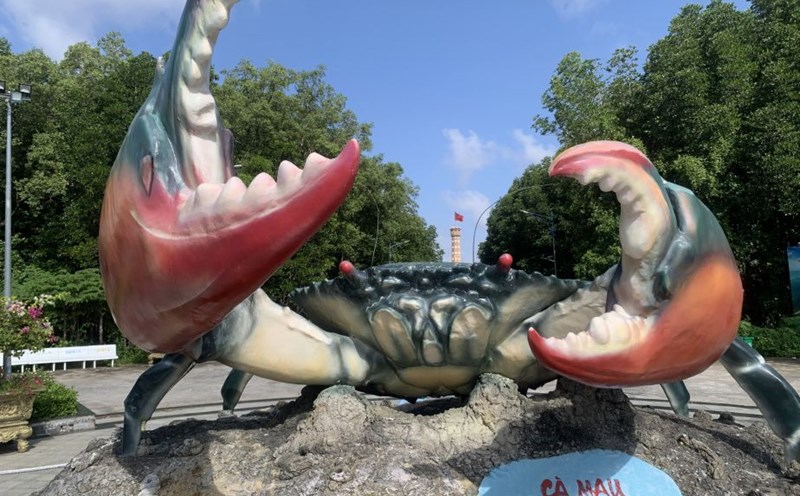
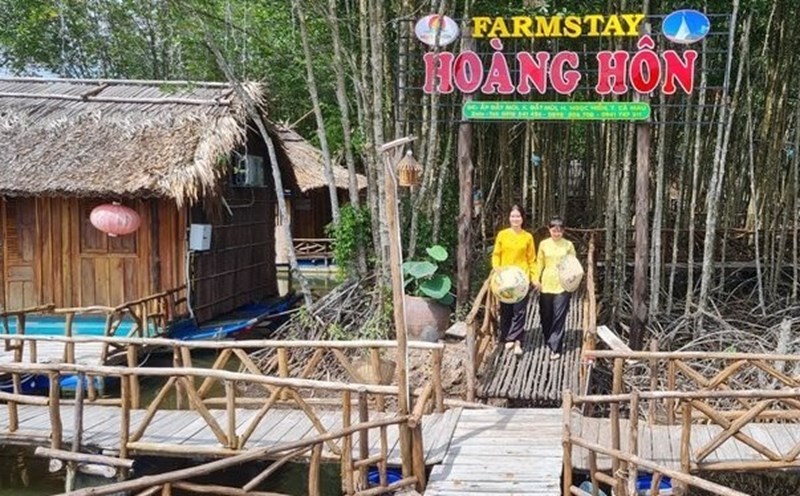
awakening U Minh Ha
When mentioning U Minh Ha, it is about scary, strange, and remote legends. Life here was a difficult, difficult time, with daily food and provisions, and no way to travel, let alone travel to heaven. However, community tourism has really brightened up U Minh Ha.
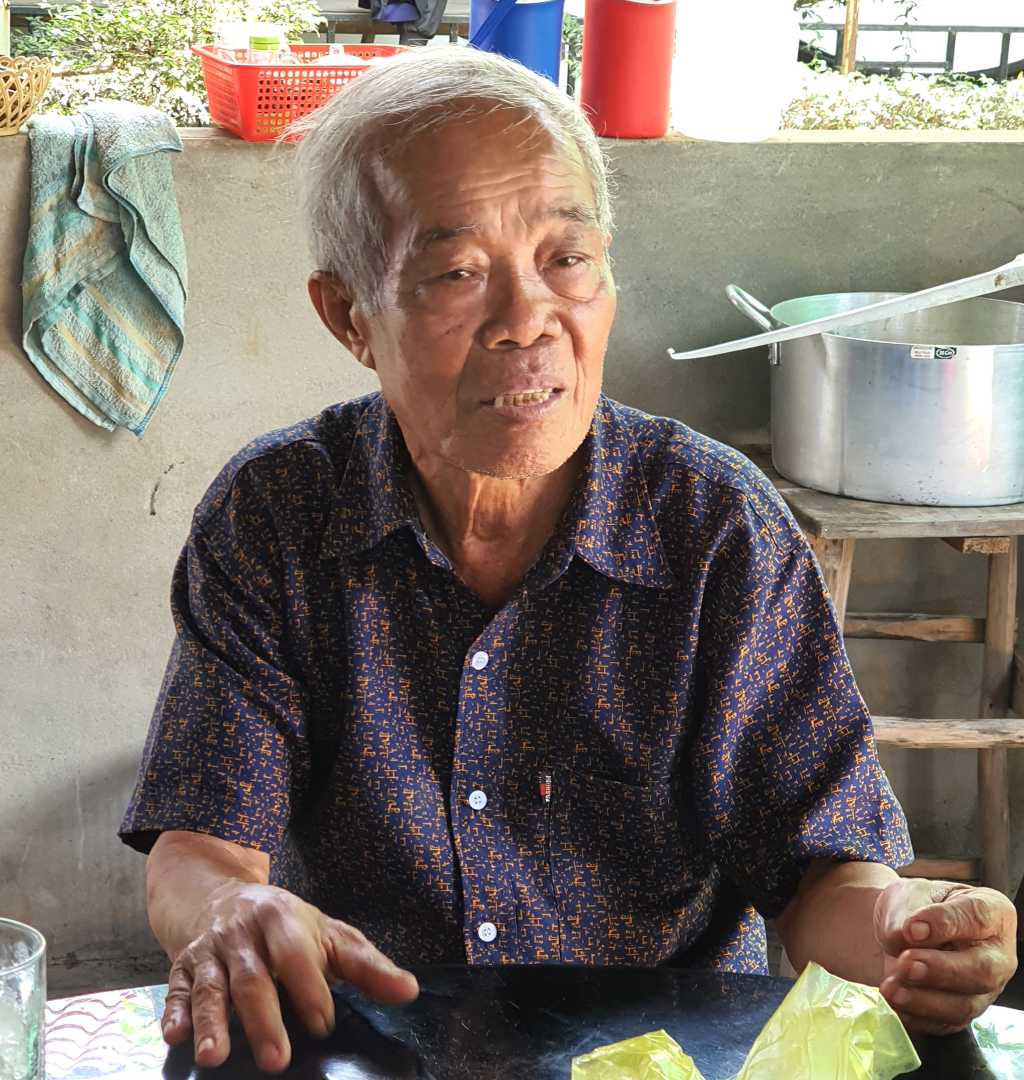
Nearly 30 years ago, Mr. Ba Liem in U Minh land boldly planted mulberry to... do tourism. Gradually, this tourist area developed strongly, creating an expressway and route.
Since retiring, returning to the U Minh forest land, Mr. Ba Liem has been determined to find a new direction for himself and the local people. Originally a farmer, along with the spirit of an exemplary Party member, Mr. Ba Liem always worries and wishes to make sure that people can get rich on their own land.
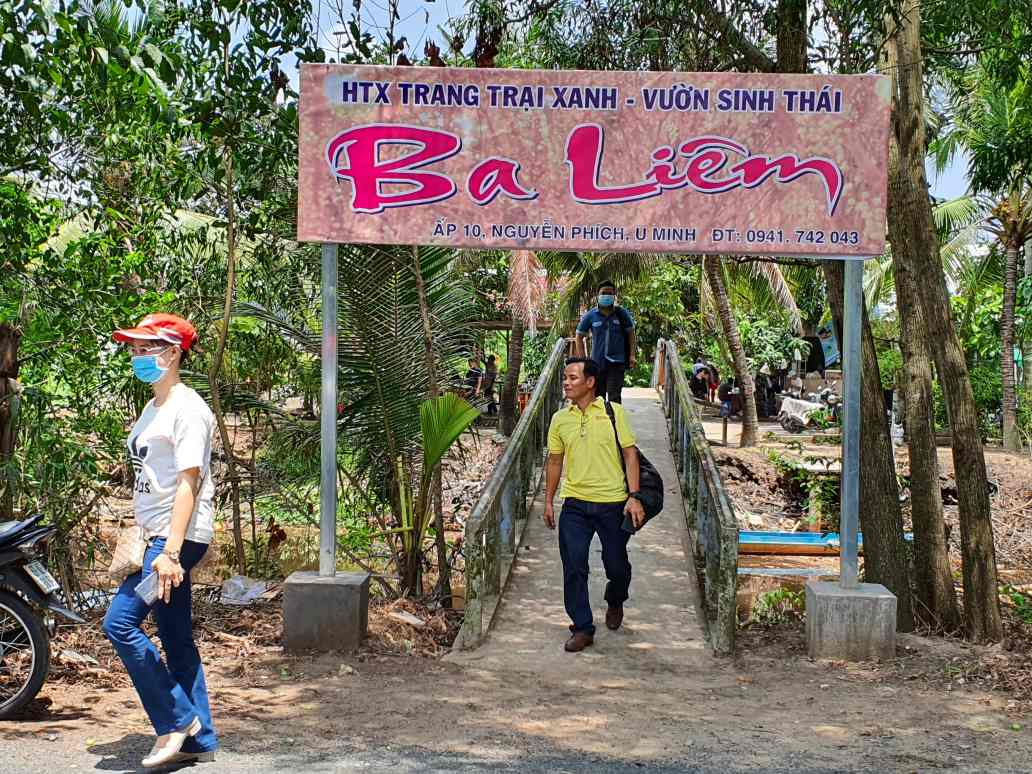
Thinking that it would be more than ten years, with 7 hectares of forest land, Mr. Ba Liem and his wife dedicated 4 hectares of land to grow cajuput, the remaining 3 hectares of land he renovated and planted with fruit trees, raising chickens and wild boars. Under the canals, ponds raise fish, earning over 500 million VND each year, and are spread by local people. Therefore, he has cooperated with people in the area to establish a Green Farm Forestry - Agriculture - Tourism Cooperative with a total area of over 200 hectares.
Along the roads of Nguyen Phich commune, there are many fruit gardens, mainly oranges, tangerines, jackfruit, grapefruit, mulberry... sum sue.
To have fruit trees on the alum soil all year round is not easy. When he brought the fruit trees to look after, many people thought that Mr. Liem would go bankrupt, because many people had failed before.
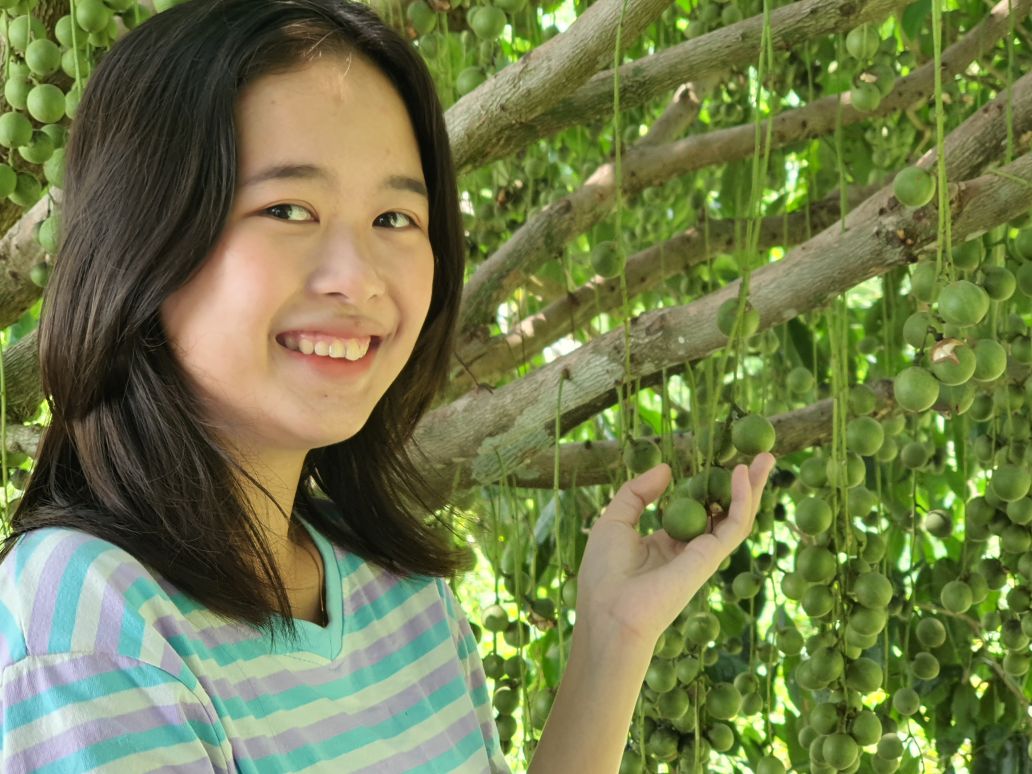
Determined to conquer the difficult land in many ways: Pumping water, digging ponds, being carried on a mountain three times the road surface, rushing with alum for many years... in the end, fruit trees such as avocado 034, Cai Tau mulberry and green mulberry, ruoi, durian, Thai jackfruit and papaya, Siem coconut, tangerine, grapefruit... gradually bear fruit.
In the middle of a vast cajuput forest, there is a fruit garden, which is strange to everyone. From this strange story, Mr. Ba Liem thought about tourism. We must be determined to invest in developing agriculture associated with services, both developing the economy on forest land and exploiting it for tourism. Not only introducing the image of nature and the U Ming people to tourists from near and far, but this direction also contributes to changing old production practices, limiting productivity and prices, and striving to get rich together, Mr. Liem confided.
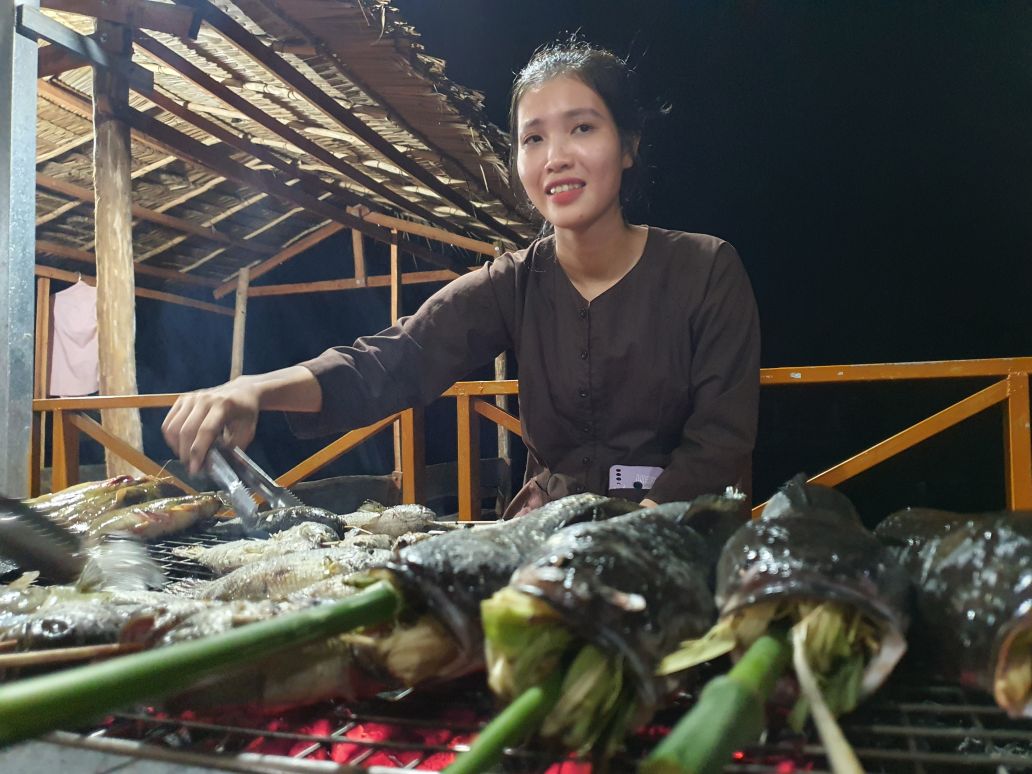
The tourist destination here can serve about 300 visitors/day, with an entrance fee of 50,000 VND/adult. In addition to fruits, visitors can also enjoy fishing services, enjoy specialties and traditional dishes of the West such as: field eel hotpot, braised snakehead fish, grilled snakehead fish, wild vegetable pancakes... The location also has staff, managers and tour guides to visit and experience the garden. The garden also serves free bananas and boiled potatoes.
Maintain cajuput for tourism
In almost the opposite of Mr. Ba Liem, a young man over 40 years old also in U Minh City is determined to keep 60 hectares of old cajuput forest for tourism.
Pham Duy Khanh - the manager of Muoi Ngoat Tourist Area - confided: "According to family tradition, I have preserved the primitive beekeeping profession, so my whole family works as tourists, but always cherish the old spring rolls, each trunk, fish, and eel, even each beehive has come here to make nests. We always have plans in place to promote the strengths of tourism in our province while maintaining the natural ecosystem of the forest. Protecting the forest is also protecting my own family".
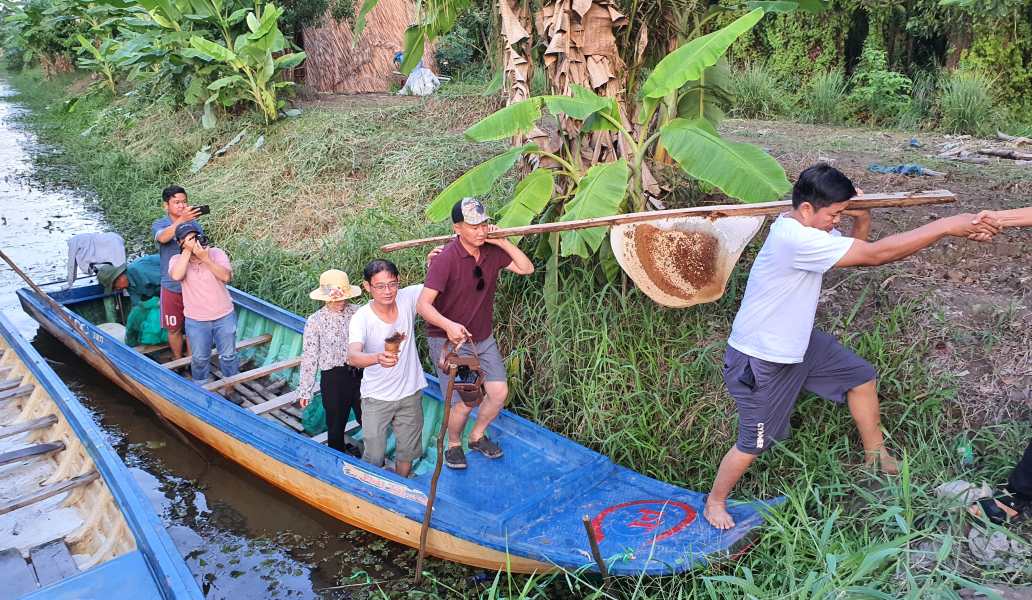
Muoi Ngoc Eco-tourism Area is a place to demonstrate the beekeeping profession and products from the RUM.CM brand honey that won the title of "Outstanding Rural Industrial Product of 2015" by the People's Committee of Ca Mau province, and is the unit with the largest beehive in Vietnam to be "admitted" in the "U Minh Forest Fragrance" event series.
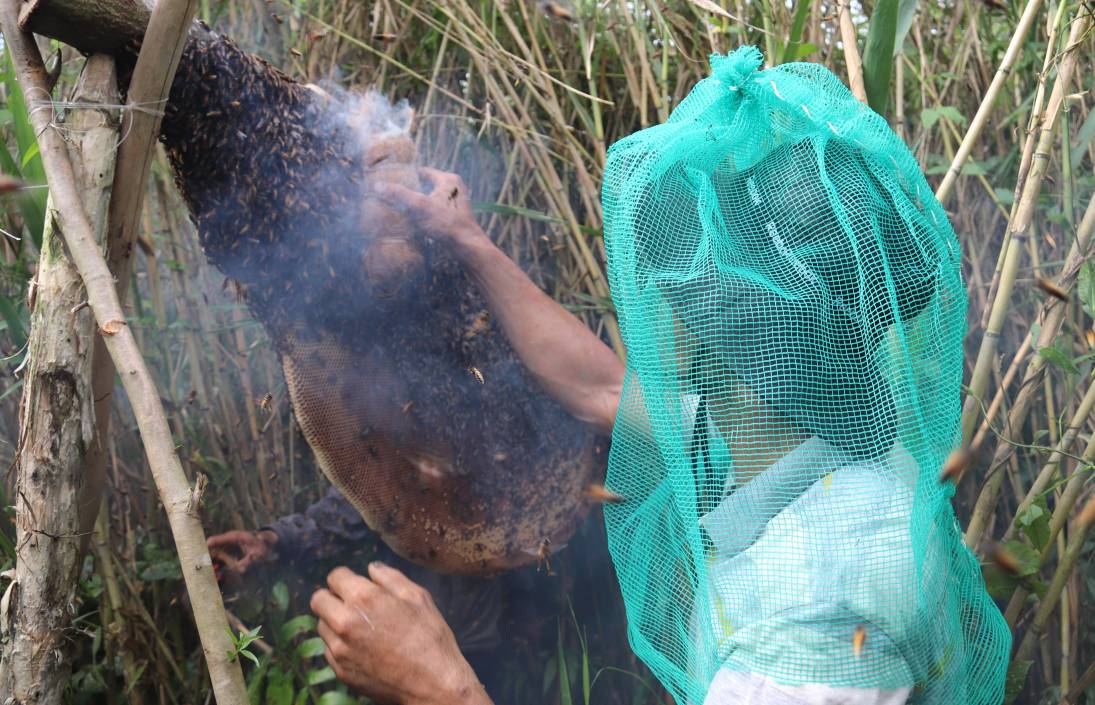
Coming here to experience, when coming back, visitors can buy as gifts typical of the country, with reputable quality and affordable prices such as: pure honey, bee wine, bee fish sauce, beeswax.
After a tiring day of fun, the moment of sitting around the rice table with rustic dishes such as bee salad, fried honey, must be indispensable with a few stewed wine bottles and the melodies of the gentle, heavy, sticky rice, sticky rice, sticky rice, and stewed water. The longing-for- cause, flowing, and affectionate travel in the cool weather under the green canopy of the forest, will be a once-in-a-lifetime sight in the hearts of tourists.
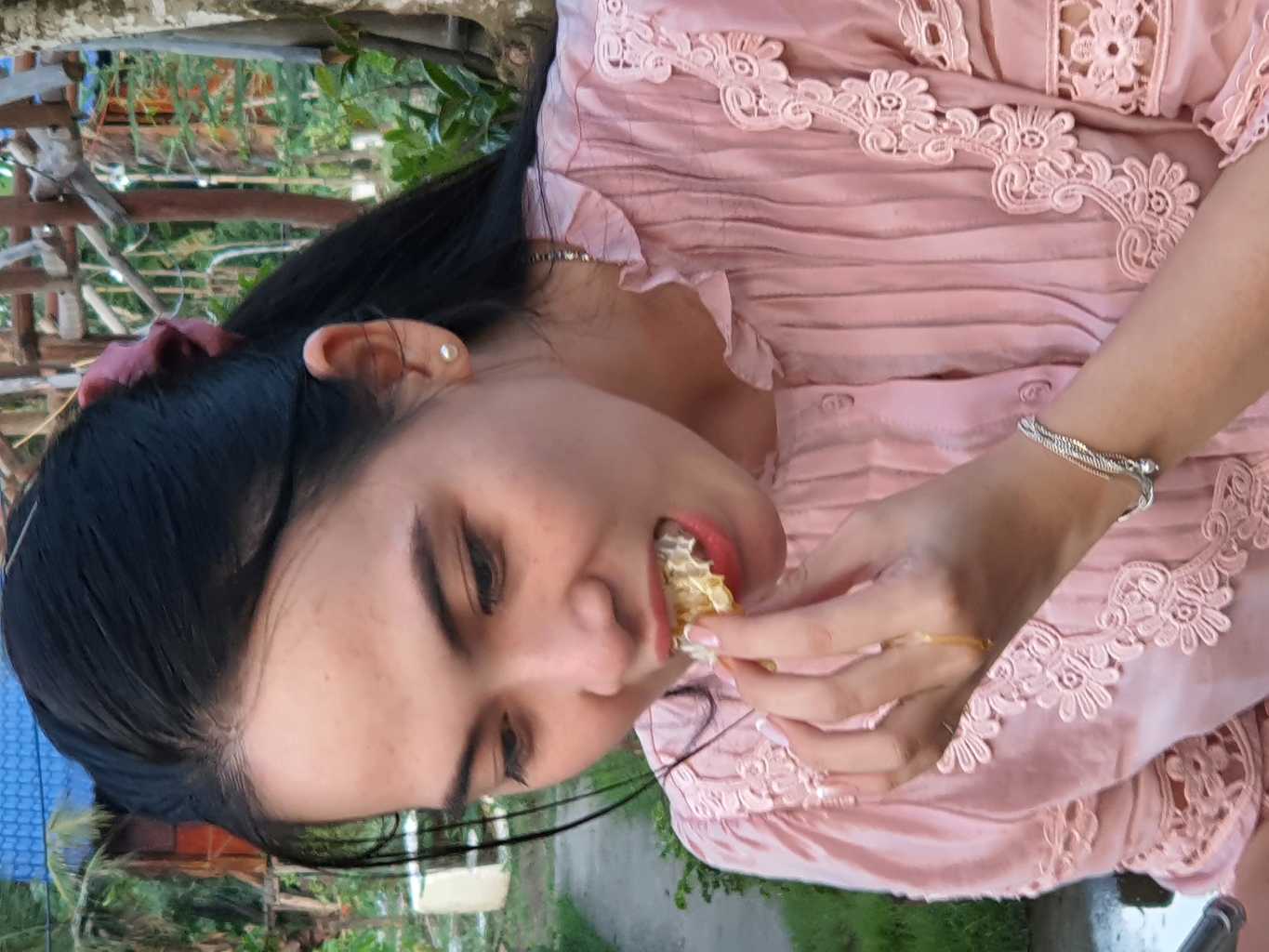
After more than 10 years of "fining" with the tourism industry, Muoi Ngo Eco-tourism Area currently owns thousands of beehives on an area of over 60 hectares of forest land. The experience of eating bees will certainly leave a strong impression on every tourist when coming here.
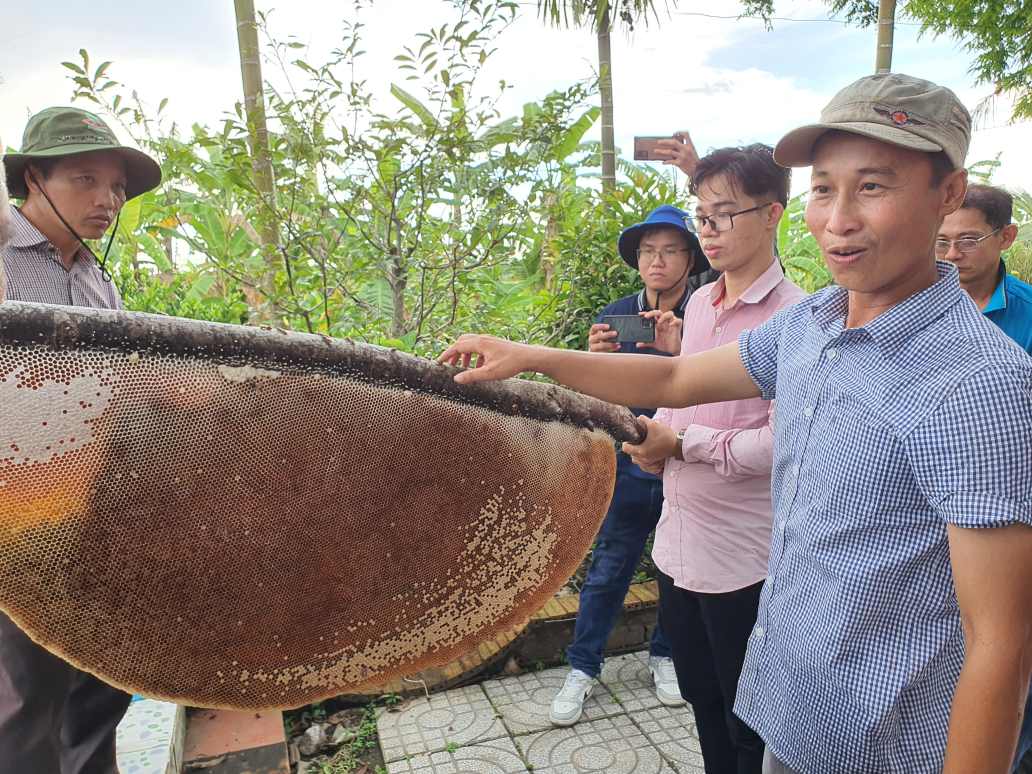
Community tourism destinations in U Minh Ha such as Muoi Ngot, Ba Liem... were initially unfamiliar to visitors. But gradually, the land has changed, creating jobs for local people, stable income for community tourism workers, and even getting rich.
They are trained to accept the difference, mixed with the natural way of the Western people to accidentally become a specialty.
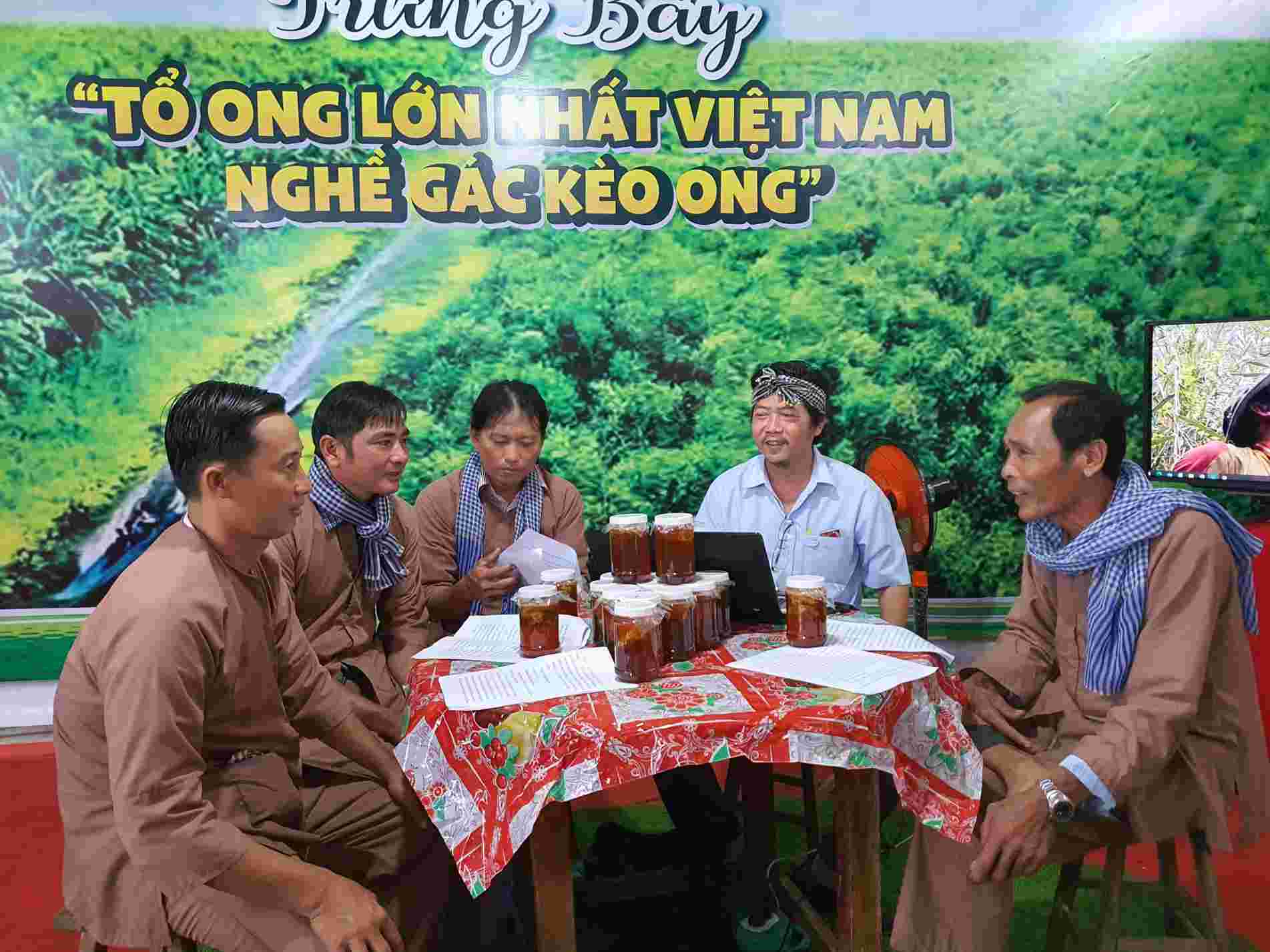
They also sell online, approaching science and technology for promotion. In particular, the Department of Culture, Sports and Tourism is a bridge to develop community tourism, the Department of Science and Technology helps businesses start up by building brands for products. Muoi Ngot honey, U Minh, U Minh forest village... have created a picture of community tourism that has attracted tourists.
To develop U Minh Ha tourism, Ca Mau province is accelerating the implementation of the Project to develop U Minh Ha National Park resort and eco-tourism. The funding source is more than 1,450 billion VND, of which the state budget is more than 52 billion VND, the rest is from socialized mobilization for tourism.
The project is implemented in U Minh Ha National Park in two main functional subdivisions with a total area of over 1,318 hectares. The project implementation period is from now until 2030. The goal by 2030 is to develop sustainable tourism in U Minh Ha National Park in conjunction with the conservation and development of the cajuput forest ecosystem and the rich diversity of U Minh Ha land. Tourism development is associated with landscape conservation and environmental protection, ensuring harmonious interaction between exploiting and developing tourism and protecting the value of natural resources.
The implementation of the project will connect surrounding tourist routes such as: Hon Da Bac tourist area, Song Tram eco-tourism area, community tourism destinations in the U Minh district (old) and other places in the province.
The project will create livelihoods for people, increase income, improve material and spiritual life, as well as raise people's awareness in forest management, protection and development.