
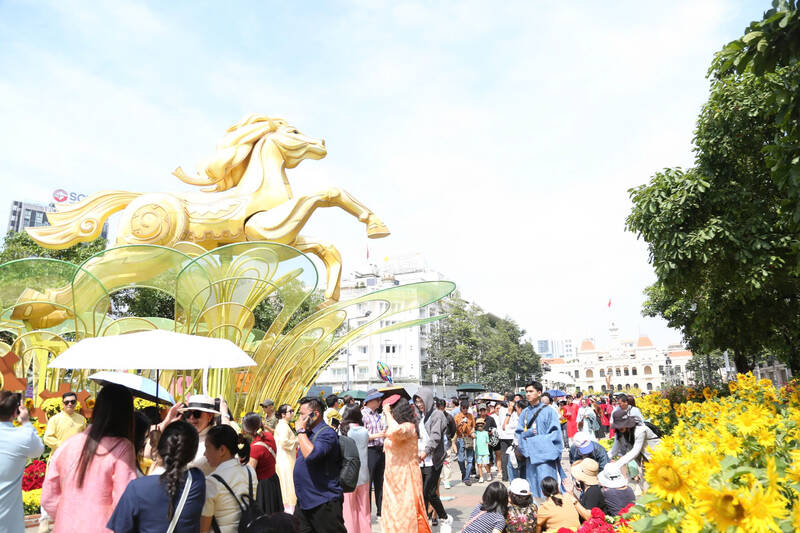
The Lunar New Year 2026 recorded signs of recovery for Ho Chi Minh City's tourism industry. Central destinations such as Nguyen Hue Flower Street, Saigon Zoo and Botanical Gardens, Independence Palace,... attract a large number of people and tourists.
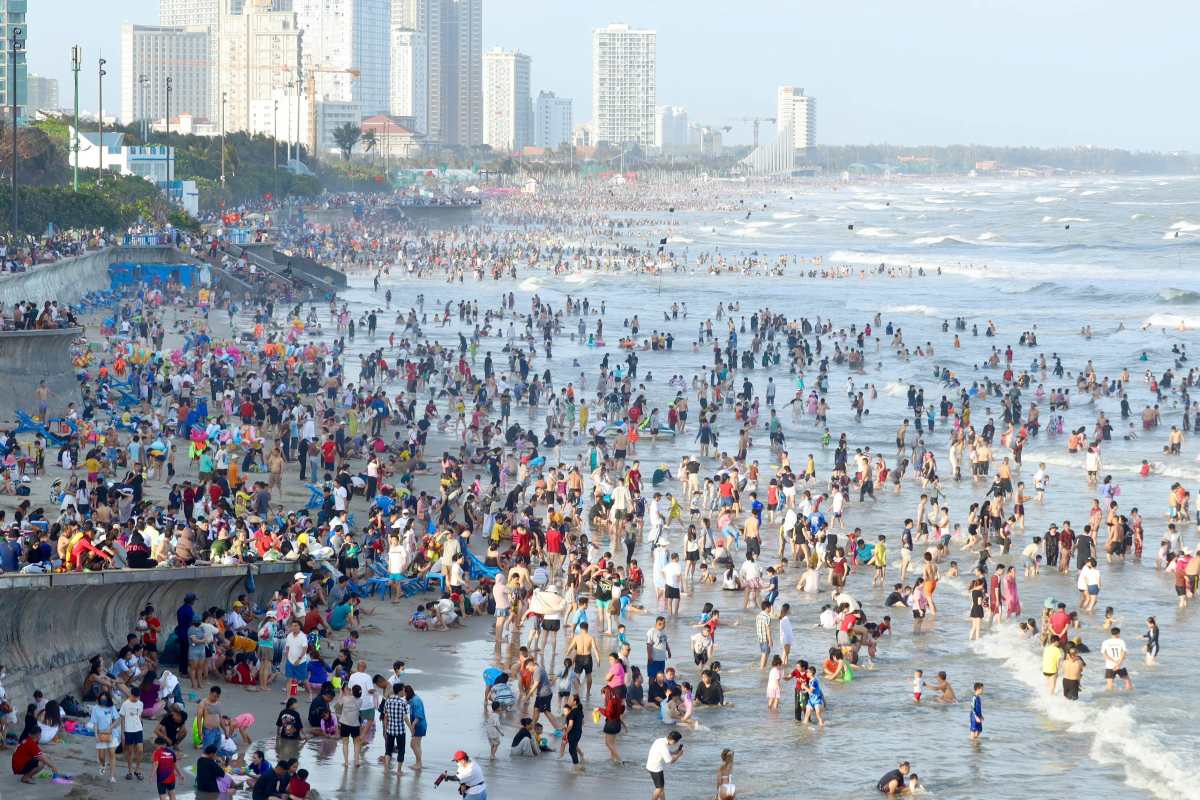
In Vung Tau, many accommodation establishments recorded high room occupancy, even fully booked during peak days. This positive development is seen as a favorable starting point, creating a foundation for the city's tourism industry to aim for growth targets in 2026.
This year, Ho Chi Minh City's tourism industry sets a target of welcoming about 11 million international visitors, 50 million domestic visitors, with total estimated revenue of 330,000 billion VND.
From a business perspective, many opinions believe that completing transport infrastructure and inter-regional connectivity will make an important contribution to the industry's growth potential in the coming period.
Mr. Nguyen Minh Man - Deputy General Director of VinaGroup Tourism Company said that the success of inter-regional tourism largely depends on travel speed. Businesses expect the belt, expressway, and metro routes to be accelerated; connecting rivers, roads, and sea routes to operate effectively.
When the travel time from Ho Chi Minh City to Ba Ria - Vung Tau (formerly) is shortened to 60-70 minutes, many new tourism products will have the opportunity to develop strongly. 2026 is expected to be a year of acceleration if urban innovation projects are implemented on schedule.
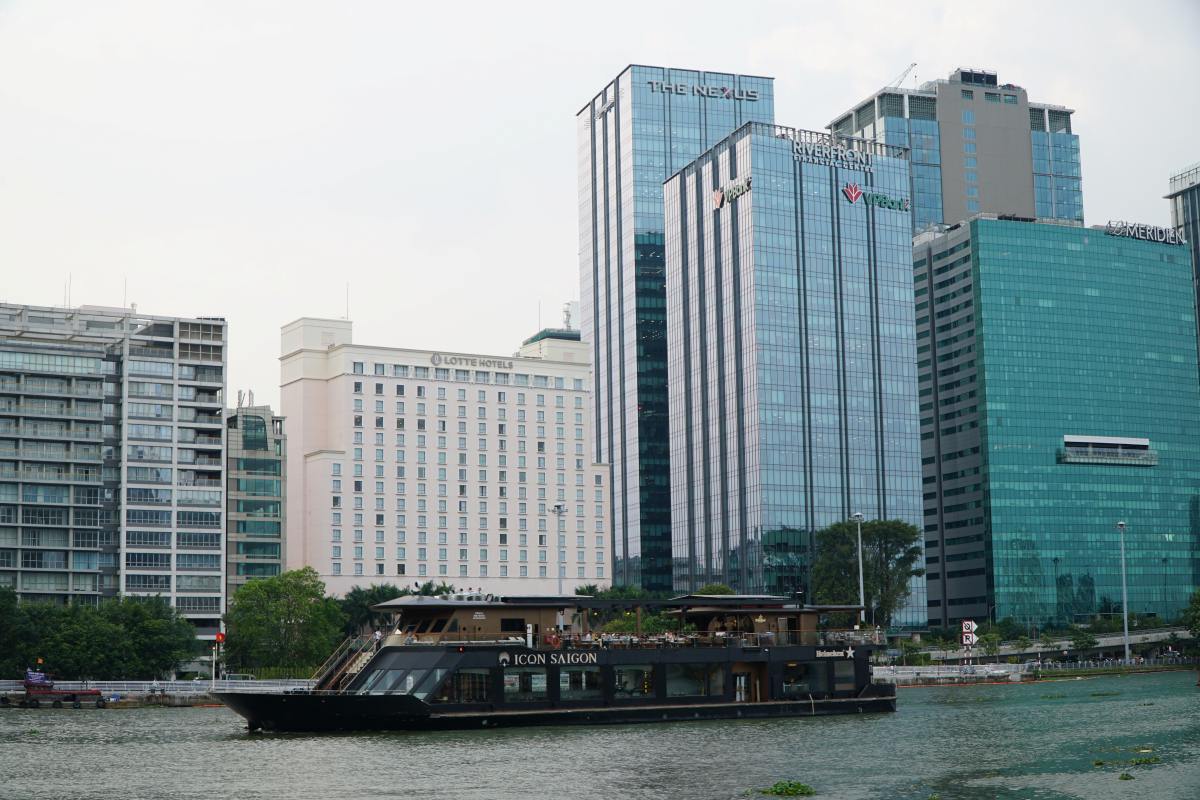
In addition, the MICE tourism segment continues to be identified as a driving force for growth. The city currently owns a modern conference and exhibition center system and a large-scale 4-5 star hotel network.
Notably, Ho Chi Minh City for the first time issued a specific policy to support MICE tourism, effective until December 31, 2030.
Ms. Huynh Phan Phuong Hoang - Deputy General Director of Vietravel said that compared to destinations in the region such as Singapore, Thailand or Malaysia, Ho Chi Minh City's tourism infrastructure is not inferior at all.
However, according to Ms. Phuong Hoang, the city needs to continue to invest in connecting infrastructure to limit congestion and traffic bottlenecks, ensuring that the sightseeing and conference programs take place fully.
It is expected that in the second quarter of 2026, when Long Thanh International Airport goes into commercial operation, the organization of synchronous connection between the new airport and the center of Ho Chi Minh City and tourist attractions is expected to create more favorable conditions for tourism activities and travel needs of domestic and international people and tourists.
From a management perspective, in 2026, the Ho Chi Minh City Department of Tourism will focus on developing a system of accommodation, entertainment, shopping and high-class, large-scale complex resorts in tourism development driving areas, thereby forming more iconic destinations.
At the same time, the city continues to coordinate investment in road, waterway and railway transport infrastructure connecting to tourist clusters, national tourist areas and potential areas, creating a foundation for sustainable tourism development in the new period.


