
After the merger, Can Tho City will enter a new development stage with the advantage of space and a smooth road and waterway network along the Hau River. A series of large infrastructure projects have been accelerated, forming a strategic economic corridor, opening the door to international trade in the Mekong Delta.
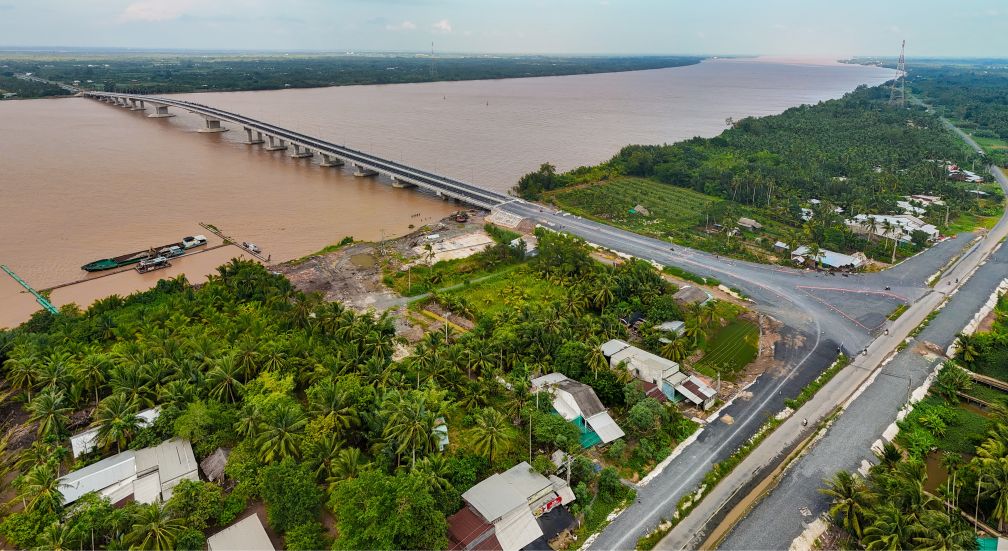
On National Highway 60, the Dai Ngai bridge construction project connecting Vinh Long and Can Tho city, including 2 bridges and more than 27 km of access roads, is an important infrastructure highlight. Dai Ngai 1 Bridge (the second largest cable-stayed bridge in Vietnam) started construction in early 2025 and is expected to open to traffic in mid-2028. Dai Ngai 2 Bridge will be completed by the end of 2025. When put into use, the project will eliminate all ferry terminals on the Mekong Delta coastal route, connect National Highway 60, increase transportation capacity and connect coastal provinces with Ho Chi Minh City.
In a broader strategic context, Can Tho is coordinating with relevant units to prepare to implement a project to build road routes to improve the connection of the Southeast region of the old Soc Trang province and with the old Bac Lieu and Tra Vinh. 2 coastal road projects, including provincial route 935C 39km long and the coastal route connecting to Ca Mau over 31km long. When completed, these routes will create a continuous coastal traffic axis, directly connecting seaports, industrial parks and urban areas along the Hau River, expanding development space and attracting investment.
Along with the connected transportation system, the special advantage that Can Tho has after the merger is the 72km coastline, facilitating the formation of a logistics center and deep-water seaport in the region. Economic experts say that when Tran De seaport comes into operation, it will become a problem that will solve the problem of many years: the largest agricultural and aquatic product growing region in the country but there is no seaport deep enough for heavy-duty ships.
According to Dr. Le Thanh Hoa - Acting Director of the Can Tho City Institute of Economics and Social Affairs, the Tran De deep-water seaport project can receive ships of up to 160,000 DWT, helping goods from the export region to be exported directly to the international market without having to transit through Ho Chi Minh City or Cai Mep - Thi Vai. This not only shortens delivery time but also helps businesses significantly save on logistics costs, increasing competitiveness in the global market. Seaports are also a "push" to spread, promoting the formation of urban, industrial and logistics service chains along the Nam Song Hau coastal corridor.
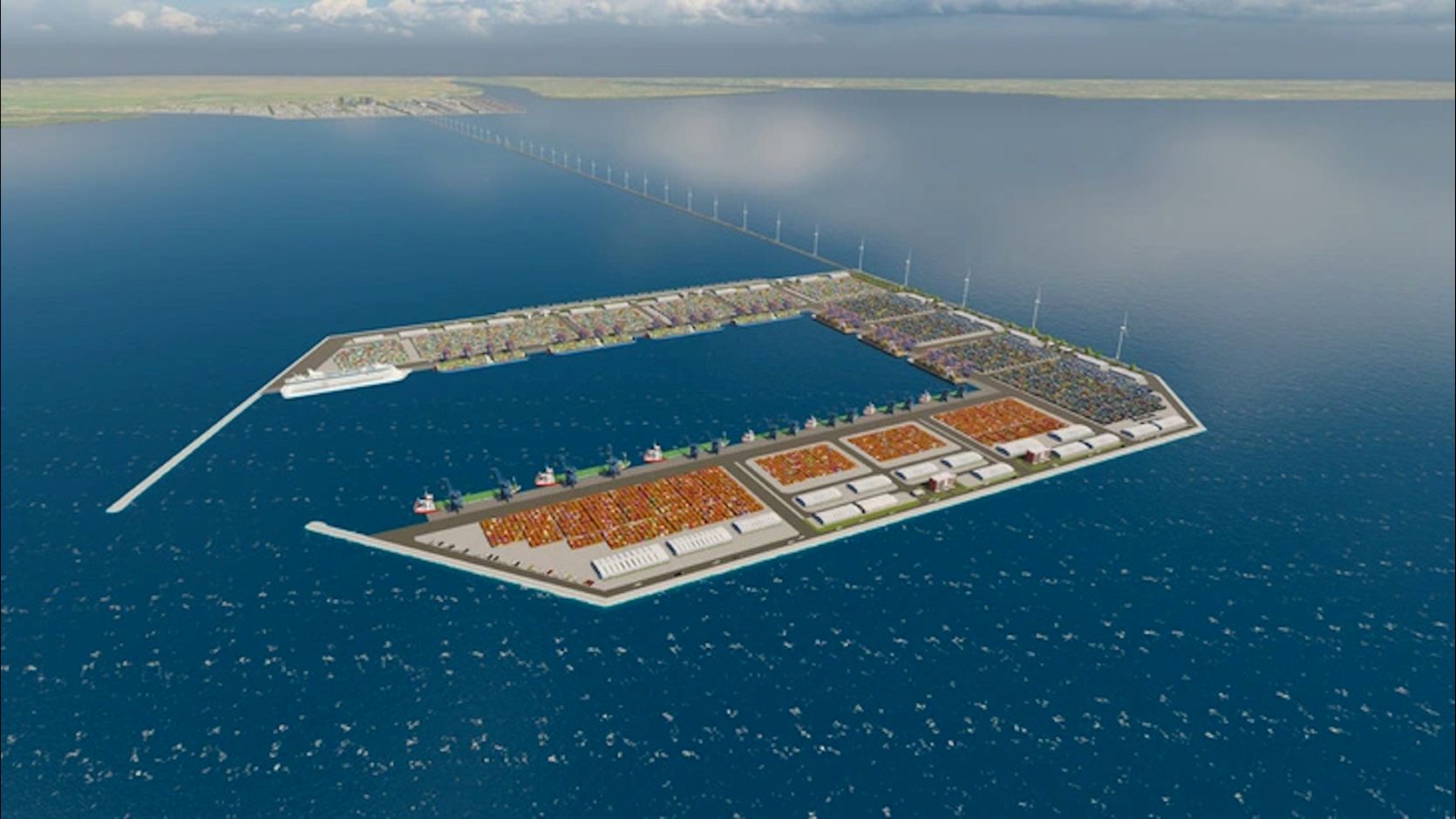
A representative of a shrimp export enterprise in Soc Trang area with an annual export turnover of about 250 million USD said - for about 30 years now, this unit has had to transport export goods to ports in Ho Chi Minh City with a two-way transportation cost of about 700 USD per 40-foot container shipment.
"If there is Tran De port, our transportation costs will be reduced by about 20 billion VND/year, while shortening transportation time. When there is a port, costs will decrease, risks will be less and the reliability in delivering and receiving goods with partners will be significantly increased, said the business representative.
On the Hau River axis, Can Tho is synchronously planning the industrial park system, notably Tran De Industrial Park with an area of 160 hectares, aiming to attract clean industry, agricultural and aquatic processing, shipbuilding and electronic components production. With a location overlooking the seaport, adjacent to the port and directly connecting the Chau Doc - Can Tho - Soc Trang expressway, this area is expected to become a new production and logistics center of the Mekong Delta.
In a recent survey, Can Tho City Party Secretary Le Quang Tung requested departments and branches to quickly review the planning of key transport routes along the Hau River, ensuring synchronous connections between roads - waterways - seaports, and at the same time rearrange appropriate urban space and industrial parks to attract effective investment.


