
"High-end" goods priced under 500,000 VND
Saigon Square Shopping Center, located in District 1, Ho Chi Minh City, has long been known as a vibrant shopping destination, attracting a large number of international tourists thanks to the diversity of fashion items and affordable prices.
Previously, in 2024, Ho Chi Minh City market management repeatedly inspected a number of business locations at Saigon Square Shopping Center, temporarily detaining hundreds of counterfeit and fake goods.
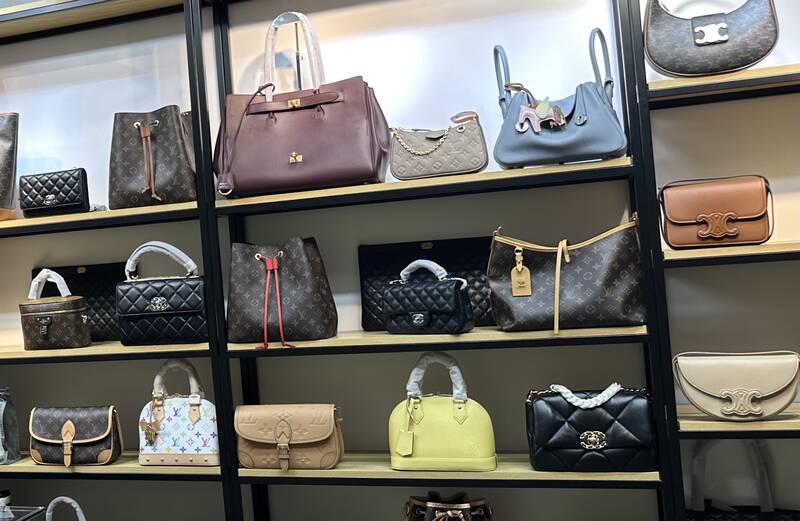
According to Lao Dong on May 21 at Saigon Square, there were quite a few foreign tourists bustling in and out. It is not difficult to see booths displaying handbags, shoes, and watches with international brands at super cheap prices compared to market prices.
Visiting a handbag stall, the reporter was immediately introduced by the seller to the "hot" bag models on the market with high-end international brands at prices of less than 500,000 VND/product. "This is the cheapest place to sell, I'll see what I like and I'll have less if I buy more" - the seller introduced.
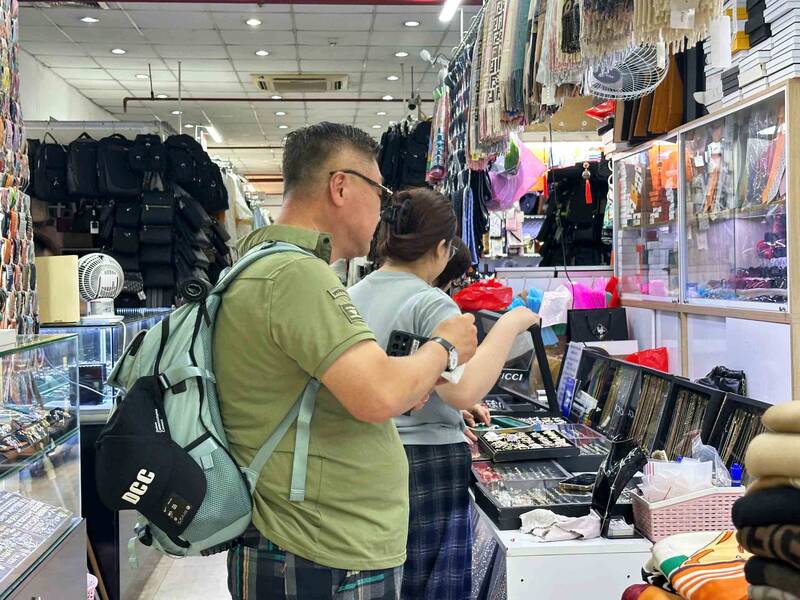
In areas selling glasses and clothes, there are also many "branded" products with prices of only a few hundred thousand dong. A Singaporean tourist - Mr. George Tan (60 years old), after buying a pair of shoes with the same logo of a famous brand for 350,000 VND, admitted: "I know this is not real goods, but it is cheap. For me, it is not a problem because I only use it for a short time".
On streets known as the "fashion streets" of Ho Chi Minh City such as Nguyen Trai (District 5) or Tran Hung Dao (District 1), the situation of displaying and selling high-end branded goods right on the sidewalk is taking place openly and bustlingly.
Many traders carelessly poured piles of handbags, shoes, and clothes with logos of famous brands onto the roadside. The items are displayed in a "piped up" style or hung with a price list from 50,000-150,000 VND/ item. However, these points of sale still attract many buyers.
Some stalls also have signs "discharge from warehouse" and "clean goods" to create an attractive feeling, even though most of the goods do not have clear origin labels. According to observations, trading is bustling during peak hours, especially in the late afternoon and on weekends.
Mr. Nguyen Quang Huy - Deputy Head of the Ho Chi Minh City Market Management Department said that in recent times, the unit has stepped up inspections of violations in the business of smuggled goods and the business of goods of unknown origin in the city.
In addition, businesses and business households have gradually switched to online sales. Doing business online on social networking platforms or e-commerce trading floors is to avoid inspection by authorities.
Opening a peak period of counterfeit goods scanning
Faced with the complicated situation of counterfeit goods at many commercial hotspots, the Department of Industry and Trade of Ho Chi Minh City has directed the Ho Chi Minh City Market Management Department to closely coordinate with functional forces to deploy a peak period of inspection and handling of violations from June 15 to 15.
During this peak period, inspection activities will focus on key areas such as shopping malls, unit markets, fashion streets, mobile sales points and on e-commerce platforms.
According to the representative of the Ho Chi Minh City Market Management Department, the authorities will apply simultaneous and surprise inspection measures, strictly handle violations and resolutely confiscate and destroy substandard goods to deter and restore market order.
The focus is on production, business establishments, agents, distribution channels and especially e-commerce platforms - places that are assessed to be at high risk of counterfeit goods, smuggled goods, goods of unknown origin, and expired goods.
The Ho Chi Minh City Market Management Department also recommends that consumers be cautious in the shopping process, especially in the context of counterfeit and fake goods appearing increasingly sophisticated and popular.
People are advised to only buy at reputable addresses, genuine distribution systems or certified e-commerce websites. Goods must have full labels, clear information about origin, and ensure compliance with product labeling regulations.
In particular, consumers should not buy floating products, cheap products at unusual prices, with rough packaging or without invoices and documents, to avoid the risk of buying poor quality goods, affecting health and consumer rights.


