
In the days leading up to Tet, Mr. Le Van Hoan's peach garden (Vinh Hung ward, Nghe An province) is always in a state of "running against the weather". More than 140 ancient bonsai peach trees are closely monitored by him every day, from watering, sunlight to the time of falling leaves, with the only goal, flowers blooming right on the occasion of Tet Nguyen Dan.
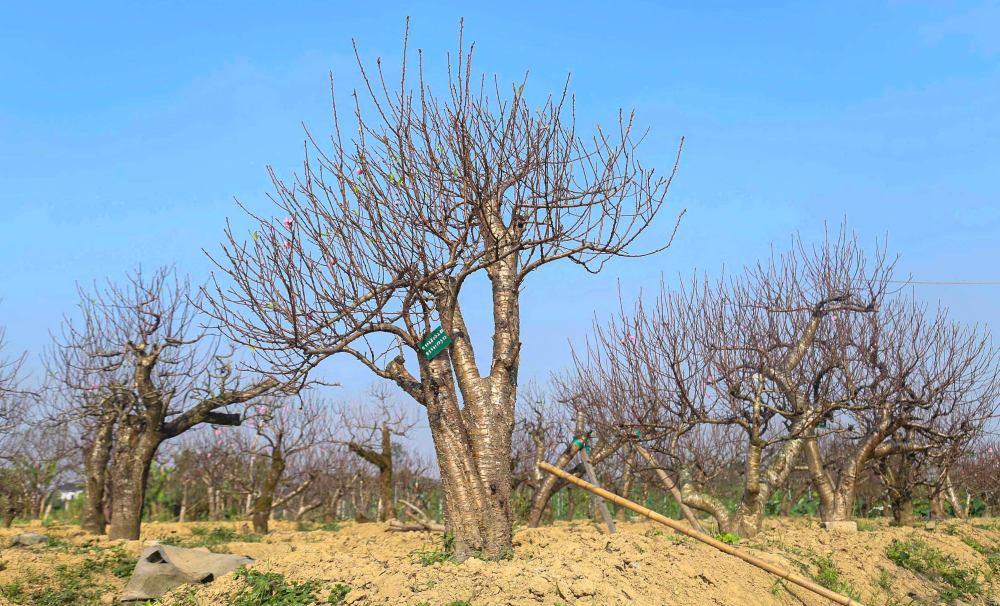
Having been attached to the ornamental plant profession for many years, Mr. Hoan soon realized the new trend of the market, people prefer to rent ancient ornamental peach trees instead of buying them outright. This playing method both saves costs and avoids the risk of trees dying, flowers blooming early or late due to lack of care techniques. From there, he boldly invested in renovating the garden, planting peach trees methodically, applying strict care procedures to maintain the tree's strength after each Tet season.
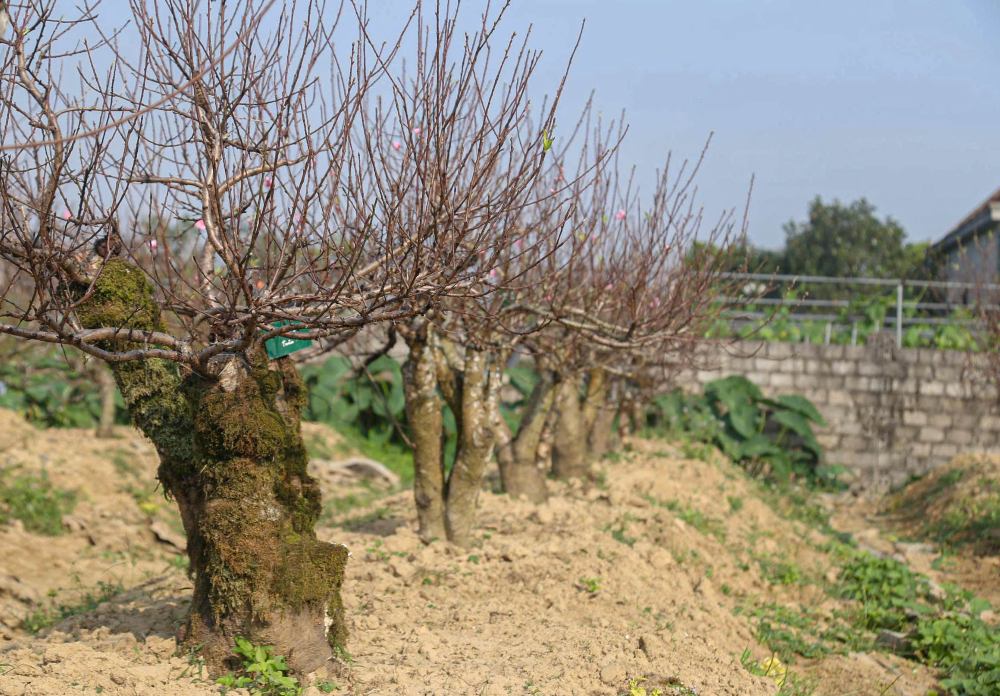
Mr. Hoan said that ancient ornamental peach trees after each Tet season must be picked up and put in pots, so they need to be carefully cared for for restoration. Starting from April of the lunar calendar, he has created canopies and adjusted branches for each tree. The time to lay down leaves is calculated very carefully, depending on the weather, ensuring that flowers bloom on time for Tet.
Caregivers must be able to "read" the weather, observe the growth of each tree to be able to measure the standard leaves. This year is a leap year, the weather is erratic with prolonged rain and storms, directly affecting the growth process of ancient ornamental peach trees" - Mr. Hoan shared.
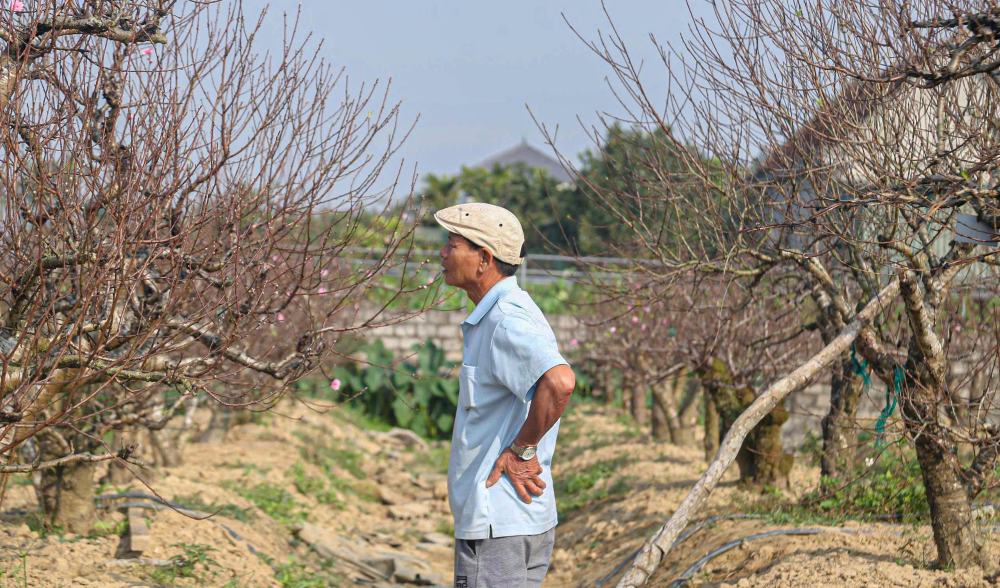
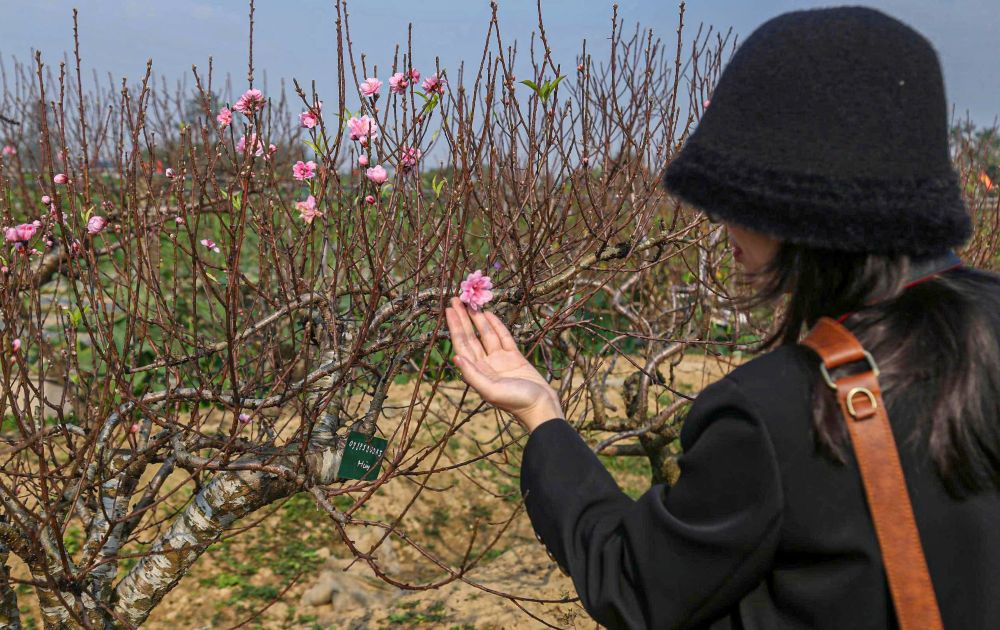
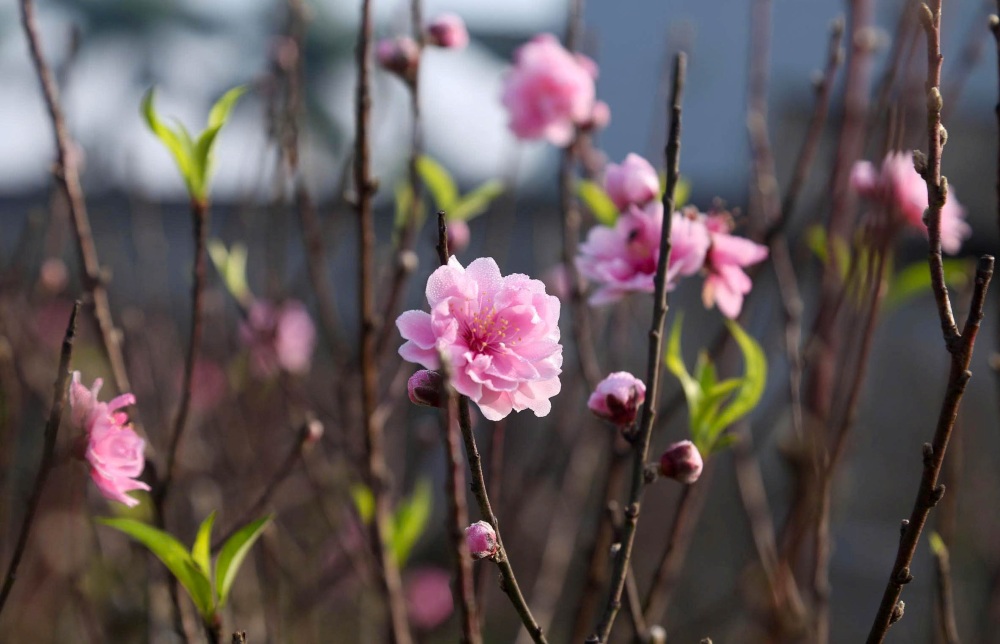
Currently, 60 peach trees in the garden are rented at prices from 5-25 million VND/tree; the rest are taken care of under contract. Most of the peach trees have been ordered early, expected to bring in revenue of about half a billion VND during Tet this year.
Mr. Nguyen Viet Hung - Chairman of the Nghe An Provincial Farmers' Association assessed that the model of renting ancient peach trees during Tet is a direction suitable for consumption trends. The above approach helps farmers reduce risks compared to selling them outright, extend the exploitation value of trees, and improve economic efficiency on the same farming area.
This is a model that requires technique and experience, but if done methodically, it will bring stable revenue and have the ability to be replicated" - Mr. Hung emphasized.


