
More than 136 billion USD is needed to invest in power sources and power grids
In the roadmap to implement the commitment to achieve net zero emissions by 2050, Vietnam is entering a complex and profound energy transition period. This process takes place in the context of the economy still maintaining a high growth rate, causing a rapid increase in electricity demand, estimated at 8 10% per year.
That puts Vietnam under double pressure: It is necessary to ensure enough electricity for socio-economic development while also switching to a green, clean and sustainable energy system. This assessment was made by Mr. Nguyen Anh Tuan - Vice President of the Vietnam Energy Association at the Workshop "international economic cooperation on energy and free trade".
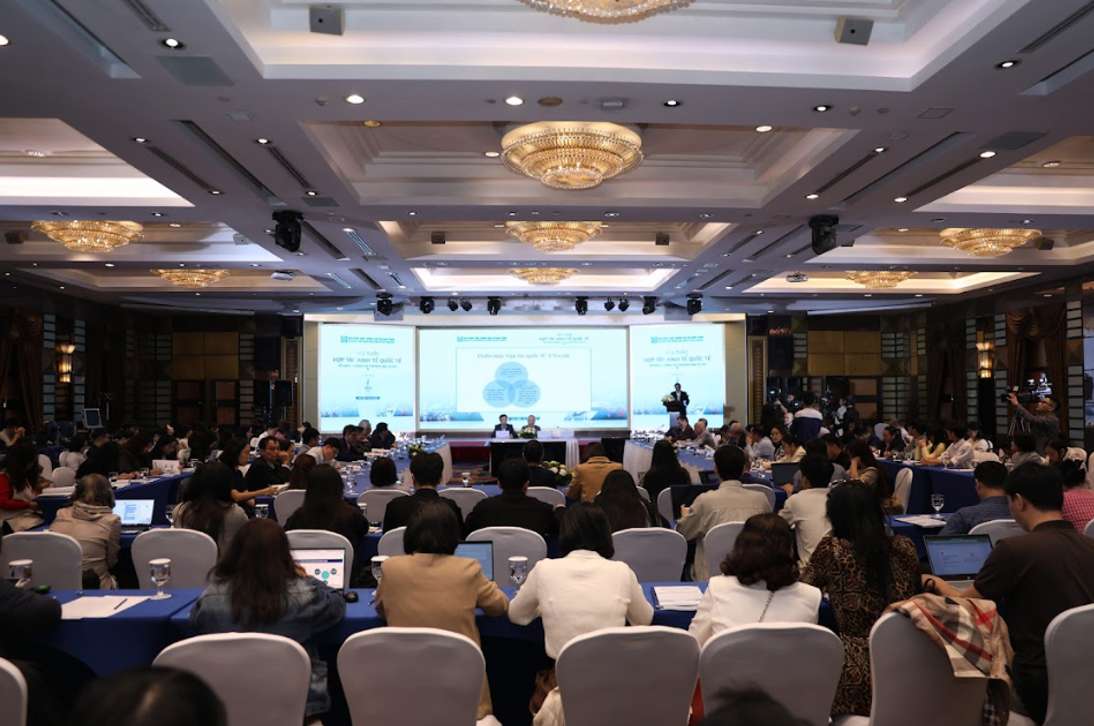
According to Mr. Tuan, in the current global context, energy and free trade no longer exist as two separate fields but are increasingly closely linked together, becoming a key driving force for shaping economic order in the 21st century.
Mr. Tuan said that green standards are gradually becoming a new "passport" for international trade. In that context, if Vietnamese products, from consumer goods to high-tech products, are still produced based on high-emission energy sources, competitive advantage will be seriously degraded, even if import taxes are cut to 0%.
Recently, the adjusted Power Plan VIII has been approved, in which priority is given to strongly developing renewable energy, gradually reducing dependence on coal-fired power and using LNG as a transitional solution.
However, Mr. Tuan assessed that this process requires a lot of financial resources. According to estimates, by 2030 alone, Vietnam will need more than 136 billion USD to invest in power sources and grid. In the context of limited domestic resources, this is a major challenge for the ability to implement the set goals.
Attracting FDI into the renewable energy sector
Faced with that reality, Mr. Nguyen Anh Tuan said that international cooperation is a key solution and needs to be implemented in depth and substantially, based on three main pillars.
The first is cooperation on green finance and risk sharing, in which Vietnam is actively implementing the Joint energy Transition Partnership Agreement (JETP).In addition, it is necessary to promote mixed-use financial mechanisms, using preferential capital as "prey" to attract international private capital flows to clean energy projects.
The second pillar is technological cooperation and research and development. Instead of stopping at purchasing equipment, Vietnam needs to promote long-term cooperation forms, encourage large energy corporations to establish R&D centers, transfer technology and localize production, especially in key areas such as smart grid and energy storage.
The third pillar is related to perfecting institutions, policies and markets. According to Mr. Tuan, technology can only be effective when accompanied by a suitable legal framework. The early completion of the direct power purchase and sale mechanism (DPPA), development of the carbon credit market and enhancing regional cooperation, especially the realization of the ASEAN Power Grid, will contribute to optimizing resources and improving energy security.
From another perspective, Mr. Dang Huy Dong - Former Deputy Minister of Planning and Investment, said that attracting foreign investment capital in the energy sector still faces many barriers, especially for LNG power projects. Some mechanisms proposed in the VIII Power Plan to improve the ability to attract unapproved FDI have not been created, creating a signal that is not really positive for international investors.
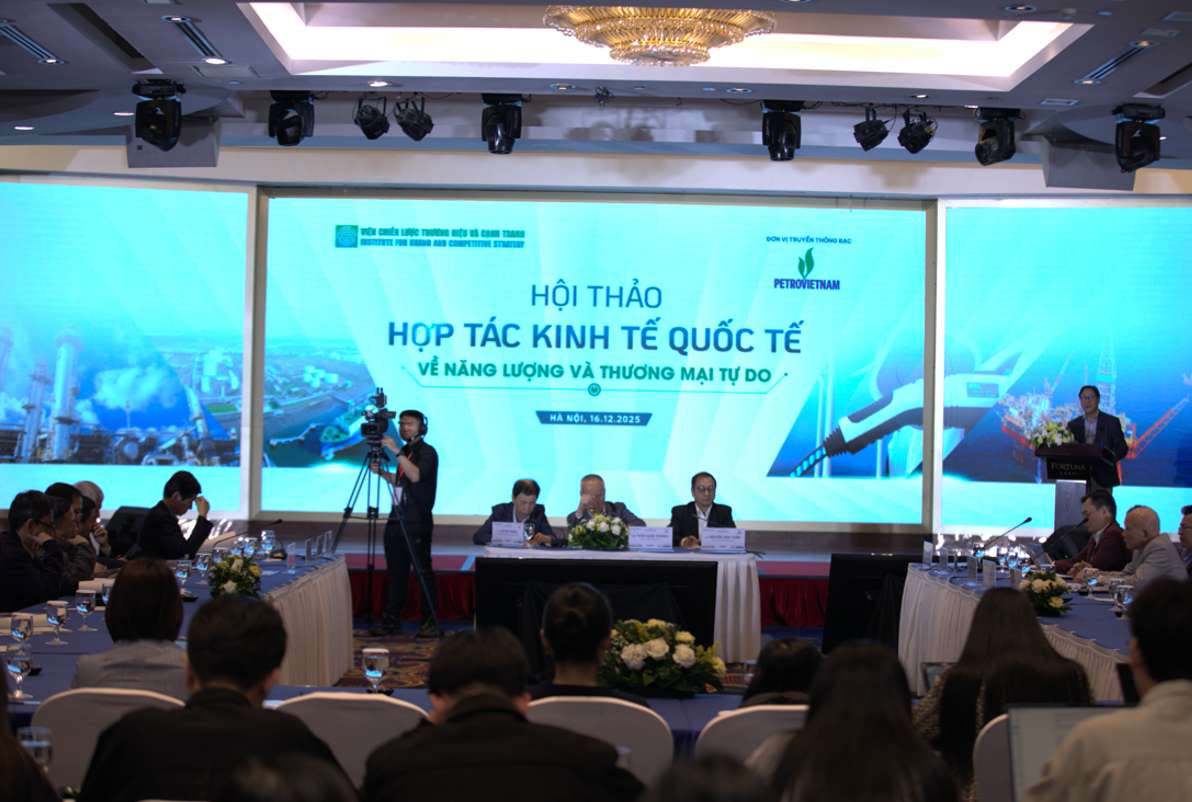
According to Mr. Dong, to successfully implement the VIII Power Plan by 2030, Vietnam needs more than 120 billion USD, while domestic resources can only meet about half. The remaining shortfall was forced to be mobilized from the international capital market.
In the context of Vietnam setting a high growth target in the coming time, ensuring a stable, reliable and competitive power supply is a prerequisite to effectively take advantage of opportunities from economic integration and new-generation free trade agreements.


